

The Role of Parent–School Collaboration in Autism Care
Bridging Home and School: Collaborative Pathways to Support Autism

Introduction to Parent-School Collaboration in Autism Care
Effective collaboration between parents and schools is critical in supporting children with autism spectrum disorder (ASD). As autism presents unique challenges in social communication and behavior, joint efforts grounded in behavioral therapies and mutual understanding enhance outcomes for autistic children by fostering consistent support across environments. This article explores the intricate role of parent–school partnerships in autism care, examining the impact of behavioral therapies, especially Applied Behavior Analysis (ABA), and the factors influencing successful cooperation between caregivers and educators.
Understanding Autism and Its Impact on Children and Families

What is autism and how does it affect individuals?
Autism is a neurodevelopmental condition that involves differences in how the brain functions early in life. It primarily affects social interaction, communication, and behavior. People on the autism spectrum, often called neurodivergent, typically have challenges with social reciprocity, meaning they may find it difficult to respond to social cues and engage in typical back-and-forth communication.
Characteristics and behaviors
Children with autism often display restricted or repetitive behaviors and may have intense interests in specific topics. Common signs also include limited eye contact, unusual body language, and repetitive motions or speech. These features vary widely among individuals, highlighting autism's spectrum nature.
Prevalence of co-occurring conditions
Many autistic individuals experience additional health challenges such as ADHD, anxiety, epilepsy, and sleep disorders, which can complicate their needs and require specialized treatment plans.
Early signs and importance of early intervention
Early signs of autism can be detected in toddlers, ideally before age three. Recognizing behaviors like limited social engagement or repetitive actions allows for early intervention. Treatments such as behavioral therapies, including Applied Behavior Analysis (ABA), speech, and occupational therapy, can substantially improve developmental outcomes and help children build essential skills.
Overall, autism is not a disease but a difference in neurodevelopment requiring personalized support to enhance the quality of life for autistic individuals and their families.
Behavioral Therapy for Autism: Principles and Practices

What is behavioral therapy for autism and how does it work?
Behavioral therapy for autism focuses on improving social interaction, communication, and daily functional skills through evidence-based methods. At the core of this approach is Applied Behavior Analysis (ABA), which operates on the principle that behavior is learned and can be shaped by reinforcement. The therapy involves identifying specific target behaviors, breaking them down into manageable tasks, and rewarding positive behaviors to encourage repetition while reducing challenging behaviors.
Definition and goals of behavioral therapy
The primary goal of behavioral therapy in autism care is to enhance an individual's ability to navigate social situations, communicate effectively, and develop independence in daily activities. These interventions are customized to each child's unique strengths and challenges, with ongoing assessments guiding therapy adjustments.
Role of ABA in autism care
ABA is widely regarded as a well-established therapeutic approach for autism spectrum disorder (ASD). It uses techniques such as positive reinforcement to build desired behaviors and strategies like role-playing and modeling to promote social and communication skills. Parental involvement plays a crucial role, as parent assessments inform individualized treatment plans, and parents reinforce learned skills across home and community settings.
Techniques such as positive reinforcement and discrete trial training
ABA therapy employs methods including discrete trial training—structured teaching broken into small, clear steps—and positive reinforcement to encourage skill acquisition. Data-driven decision-making by trained therapists ensures continual progress monitoring and adaptation.
Settings where therapy is delivered
Behavioral therapy using ABA techniques is versatile and delivered in multiple environments: clinics, homes, and schools. School-based ABA integrates behavioral interventions into daily routines with collaboration among therapists, teachers, and parents to create consistency and maximize benefits. Early and consistent intervention, ideally before age three, is associated with better long-term outcomes.
Effective behavioral therapy for autism, centered on ABA, is a collaborative, individualized, and dynamic process aimed at enhancing social, communicative, and adaptive skills to improve quality of life for autistic children.
Common Techniques in Behavioral Therapy and Their Roles
What are the common techniques used in behavioral therapy for autism?
Behavioral therapy for autism relies on several proven techniques to improve social, communication, and daily living skills. One foundational method is positive reinforcement, where desirable behaviors are encouraged by rewarding them, helping reduce challenging actions.
Discrete trial training (DTT) is another core technique. It involves breaking down skills into small, manageable steps and teaching each step with clear, concise instructions. This method makes complex tasks easier for autistic children to learn and master.
Behavior chaining and prompting are strategies used to build sequences of behaviors. Prompting assists with initiating a behavior, while chaining links individual skills together to form a complete action. These methods are crucial in teaching daily routines and self-care skills.
To enhance social competence, therapists utilize social skills training alongside pivotal response training (PRT). PRT focuses on pivotal areas like motivation and self-management, promoting skills in naturalistic settings that generalize beyond therapy sessions.
Complementing these behavioral strategies are therapies such as speech and occupational therapy. These support communication development and address sensory processing challenges, respectively. Structured programs like TEACCH provide visual aids and consistent schedules to help autistic children navigate their environment more easily.
Together, these varied techniques form a comprehensive approach tailored to each child’s strengths and challenges, significantly improving their quality of life and daily functioning.
The Role of Qualified Professionals and Parental Involvement in Therapy
Who typically provides behavioral therapy services for individuals with autism?
Behavioral therapy for autistic individuals is primarily provided by qualified professionals such as board-certified behavior analysts (BCBAs), autism specialists, and trained therapists. These experts employ Applied Behavior Analysis (ABA) principles to develop individualized treatment plans tailored to each child's unique strengths and challenges. Alongside these specialists, supporting professionals like speech-language pathologists and occupational therapists often collaborate to address comprehensive developmental needs.
Importance of parent training and involvement
Parents play a pivotal role in the success of behavioral therapy. Active parent involvement is essential, as it facilitates the reinforcement of therapeutic techniques outside clinical settings. Parent assessments using interviews, questionnaires, and behavioral observations gather vital information regarding the child's developmental history, skills, and family dynamics. This collaborative approach helps therapists customize ABA strategies that align with the child's needs. Furthermore, parental training enhances consistency of intervention between home and therapy, encouraging generalization of learned skills across environments.
Collaborative roles of school staff and therapists
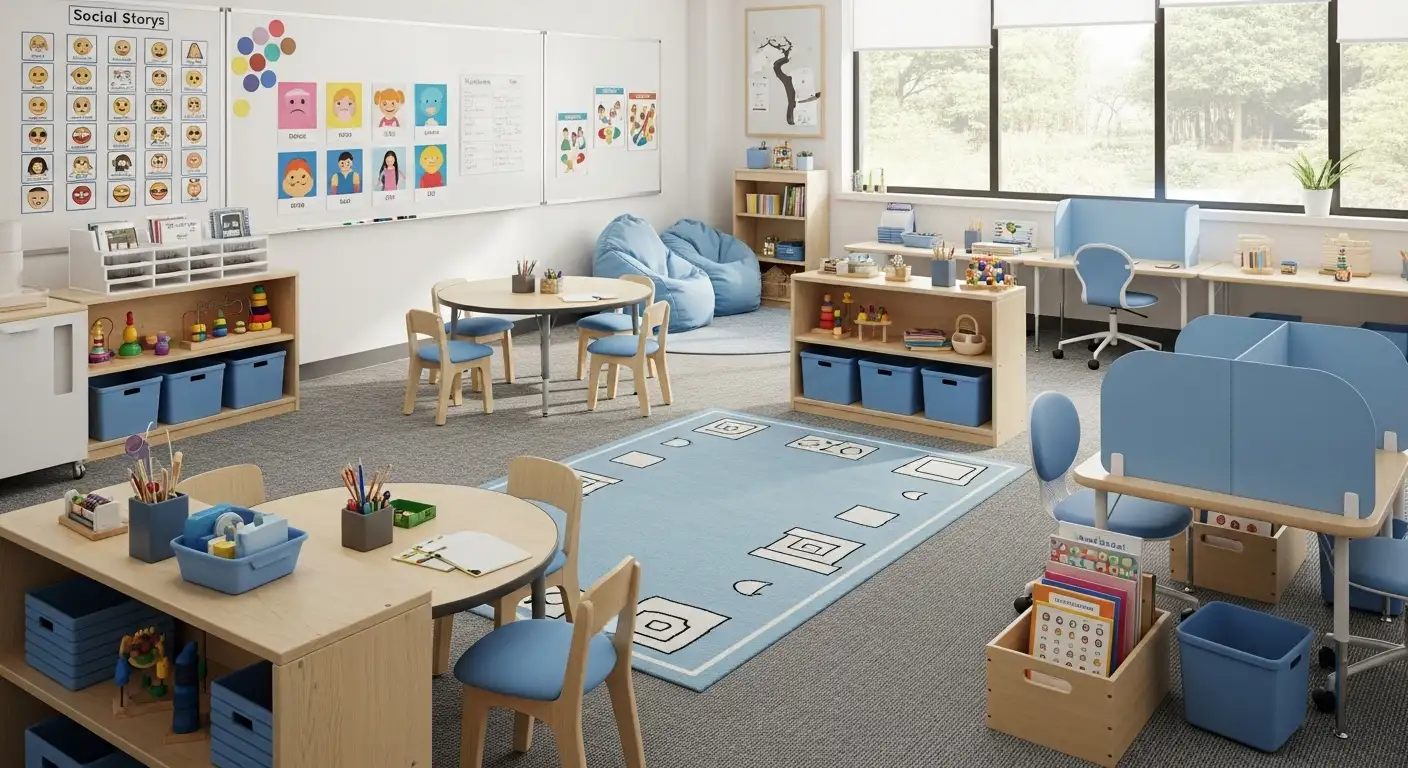
In school-based therapy settings, cooperation between ABA therapists and school personnel is vital. Regular communication, joint training sessions, and shared data collection efforts foster a cohesive environment to support the child's progress. Integration of therapy like discrete trial training into daily school routines helps children improve social skills, communication, and self-regulation. This joint effort ensures therapy goals align with educational objectives, promoting holistic development.
Settings for therapy delivery
Behavioral therapies for autistic children are delivered in various settings, including specialized clinics, homes, and schools. Each environment is selected based on the child's needs and family circumstances. School-based ABA programs provide benefits such as academic improvement and coping with transitions, while home-based therapy promotes family involvement and skill generalization. The flexibility of delivery settings allows for comprehensive, contextually relevant interventions that support the child's growth across multiple domains.
Benefits of School-Based ABA Therapy and Collaborative Approaches

How is ABA therapy delivered in school settings?
School-based Applied Behavior Analysis (ABA) therapy is an evidence-based approach that integrates behavior modification techniques, such as discrete trial training, directly into daily school routines. This context allows therapists to address behaviors and skills in a natural environment where children spend much of their time.
What are the benefits of integrating ABA into daily school routines?
Embedding ABA therapy within the school day encourages the generalization of skills across multiple settings, increasing children’s opportunities to practice and develop new social and communication abilities. This real-world application aids in improving academic performance and supports the development of independence and self-regulation.
How does school-based ABA therapy impact social, communication, and academic skills?
Children receiving school-based ABA therapy often experience enhancements in social interactions, communication skills, and practical academic abilities. The structured interventions promote positive behavioral changes, helping children with autism navigate social and learning environments more effectively.
Why is collaboration between ABA therapists and school staff important?
Effective collaboration is crucial for the success of school-based ABA therapy. Regular communication, joint training sessions, and shared data collection between therapists and school staff ensure consistency and coordination in intervention strategies. This partnership helps create supportive environments that benefit the child's progress.
Overview Table: School-Based ABA Therapy Features
| Aspect | Description | Impact |
|---|---|---|
| Delivery Method | Discrete trial training integrated into school routines | Facilitates skill generalization and naturalistic learning |
| Skill Benefits | Social, communication, academic, independence, self-regulation | Enhances practical and social functioning in school settings |
| Collaboration Practices | Regular meetings, data sharing, joint training | Ensures consistent and effective intervention implementation |
Together, these elements highlight the comprehensive benefits of school-based ABA therapy and emphasize the importance of teamwork between therapists and educational staff to support autistic children effectively.
Parent Assessments: Foundation for Individualized Treatment Plans
Purpose and Methods of Parent Assessments
Parent assessments play a crucial role in Applied Behavior Analysis (ABA) therapy for autistic children. They provide therapists with comprehensive insights into a child's developmental background, daily routines, and family environment. These assessments typically include questionnaires, interviews, record reviews, and behavioral observations, ensuring a thorough understanding of the individual child's needs.
Gathering Developmental History and Family Dynamics
Through parent assessments, therapists gather essential information about the child's developmental milestones, specific challenges, and family dynamics that may influence therapy. Understanding the family context helps to create treatment plans that account for both the child's and the caregivers' strengths and challenges, making interventions more relevant and effective.
Customization of ABA Strategies Based on Assessments
The detailed data collected from parent assessments guide the customization of ABA strategies. Therapists tailor interventions to leverage the child's strengths and target specific areas of difficulty, resulting in a more personalized approach. This ensures the therapy aligns well with the child’s unique profile rather than using a one-size-fits-all method.
Setting Realistic and Meaningful Goals
Parent assessments are also essential for setting realistic and meaningful goals within ABA therapy. By closely collaborating with parents, therapists establish targets that promote meaningful progress in social, communication, and adaptive skills. This joint effort fosters stronger partnerships between families and therapists, enhancing the consistency and generalization of skills across environments.
Improving Parent–Teacher Relationships (PTR) to Support Autistic Students
Why is PTR Quality Important for Autistic Students' Adjustment?
Higher quality parent–teacher relationships (PTR) play a vital role in supporting autistic students' adjustment to school. When parents and teachers work collaboratively and communicate effectively, children benefit from consistent support and understanding across both home and school environments. This cooperation helps address the unique challenges autistic students face, promoting better social, emotional, and academic outcomes.
How Do Internalizing and Externalizing Symptoms Impact PTR?
Autistic children often experience mental health challenges, including internalizing symptoms (such as anxiety or withdrawal) and externalizing symptoms (such as disruptive behaviors). Research with children aged 4 to 8 shows that especially externalizing symptoms, as reported by parents, can strain parent–teacher relationships over time. These elevated symptoms may hinder parents' and teachers' ability to collaborate effectively, leading to less constructive communication and reduced partnership quality.
In What Ways Do Child Symptoms Influence Collaboration Between Parents and Teachers?
Parent-rated child symptoms appear to shape the quality of PTR more than teacher-rated symptoms. Persistent externalizing behaviors can cause stress and frustration for both parents and teachers, complicating efforts to work together. When mental health challenges are not addressed, they may indirectly decrease cooperation and trust, reducing the capacity of adults to support the child cohesively.
What Strategies Can Enhance PTR Through Symptom Management?
A crucial approach to improving PTR quality involves addressing children's internalizing and externalizing symptoms, particularly within the home setting. Interventions targeting these symptoms can alleviate stress and facilitate better communication between caregivers and educators. Active parental involvement in therapies like Applied Behavior Analysis (ABA), which focuses on reinforcing positive behaviors and managing challenges, helps generalize skills across environments. This collaborative strategy ultimately supports stronger parent–teacher relationships and fosters more effective support for autistic students.
Mental Health Challenges in Autistic Children and Their Effects on Collaboration
Prevalence of internalizing and externalizing symptoms
Autistic children face a heightened risk of mental health challenges, notably internalizing symptoms such as anxiety and depression, and externalizing behaviors like aggression or hyperactivity. These symptoms can vary in intensity but are common enough to influence daily functioning and social interactions significantly.
Effects on parents’ and teachers’ ability to collaborate
Elevated mental health symptoms in autistic children often complicate the dynamics between parents and teachers. Specifically, children exhibiting pronounced externalizing behaviors tend to impact the quality of the parent-teacher relationship over time. Challenges in managing these behaviors can strain communication and cooperation, making it harder for caregivers and educators to work effectively as a team.
Teacher-rated symptoms, however, appear less influential in altering these relationships, highlighting the critical role parents’ perspectives play in shaping collaboration.
Significance of addressing symptoms for effective cooperation
Addressing both internalizing and externalizing symptoms in autistic children is crucial not only for the child's well-being but also for fostering a productive parent-teacher partnership. Interventions targeting these mental health challenges at home can indirectly improve relationship quality by reducing the stressors that hamper effective communication and shared goals.
By focusing on symptom management, families and schools can better support autistic children's development and create a more harmonious and collaborative environment conducive to success.
Evidence of ABA Therapy Effectiveness in Autism Care
Research findings on ABA outcomes
Applied Behavior Analysis (ABA) therapy has been demonstrated to be highly effective in improving various skills essential for children with autism spectrum disorder (ASD). A study involving 60 boys aged 4 to 11 showed that those receiving ABA intervention experienced significant gains across adaptive behaviors, social skills, communication, nutrition behaviors, and reductions in separation anxiety compared to those who did not receive ABA. This research confirms ABA's capacity to enhance social and daily living skills substantially.
Improvements in social, emotional, communication, and daily living skills
ABA techniques target crucial areas such as social interaction, emotional regulation, and communication. Methods like discrete trial training, role-playing, modeling, and positive reinforcement are used to develop these skills. These interventions also support practical life skills, helping children manage behavioral challenges more effectively and fostering independence.
Role of duration and intensity in therapy success
The mentioned study employed eight one-hour sessions twice weekly over six weeks, demonstrating that structured, consistent delivery of ABA contributes to noticeable improvements. Early initiation and sufficient intensity of therapy amplify positive outcomes, supporting the idea that ABA's effectiveness is linked to how regularly and persistently it is applied.
Importance of parental involvement and skill generalization
Active involvement of parents in ABA therapy is vital. Parents participate in assessments through questionnaires and observations, which helps customize treatment plans. Their continued reinforcement of learned skills at home and collaboration with therapists ensure the generalization of behaviors across environments. This combination fosters sustainable progress and strengthens the child’s social and emotional development.
How effective is behavioral therapy for improving outcomes in individuals with autism?
Applied Behavior Analysis (ABA) therapy remains the most evidence-supported behavioral intervention for children with autism. It significantly enhances communication, social abilities, adaptive behaviors, and daily living skills. Effectiveness increases with early initiation, customization to individual needs, and active parental involvement. Generalizing skills across home and school environments is essential for maintaining improvements, ultimately promoting independence and a better quality of life for autistic individuals.
Challenges and Limitations in Behavioral Therapy for Autism
Are there any challenges or limitations associated with behavioral therapy for autism?
Behavioral therapy, such as Applied Behavior Analysis (ABA), has demonstrated effectiveness in supporting social, communication, and daily living skills for children with autism. However, it also presents several challenges and limitations that should be considered.
One major challenge is the significant time and resource commitment required from families. ABA therapy often involves structured sessions multiple times a week, with intensive parental involvement needed to reinforce skills across settings. This demand can strain family schedules and resources, particularly as programs must be customized extensively to meet individual children's unique strengths and challenges.
Another limitation is the variability in individual responses to therapy. Autism is a spectrum with wide diversity in traits and needs, so behavioral interventions must be highly tailored. This complexity makes treatment planning more difficult and requires ongoing adjustments based on thorough assessments.
Accessibility and provider availability also pose issues. Not all families have access to qualified, trained therapists or school-based programs, leading to disparities in support. The specialized nature of the therapy and need for collaboration among therapists, educators, and parents adds to this barrier.
Ethical considerations have emerged regarding the emphasis on behavior suppression versus supporting neurodiversity. Critics caution against overly focusing on eliminating behaviors that may be natural expressions of autistic identity. Instead, therapy should aim to enhance life quality by building on individual strengths and facilitating meaningful communication.
Overall, behavioral therapy for autism is most successful when integrated within comprehensive, multidisciplinary care that respects the child's individuality and fosters collaboration among caregivers, educators, and therapists.
Strategies to Enhance Parent–School Collaboration for Autism Care
Regular communication channels
Establishing consistent, open lines of communication between parents and school staff is fundamental for supporting autistic children's development. Regular updates via meetings, emails, or communication logs help both parties stay informed about the child's progress and challenges, fostering mutual understanding and timely intervention.
Joint training initiatives for parents and school staff
Collaborative training sessions enhance shared knowledge of autism and effective strategies like Applied Behavior Analysis (ABA). Joint workshops equip parents and educators with consistent methods and language to address internalizing and externalizing symptoms, improving cooperation and the child's adjustment.
Shared data collection and analysis
Coordinated tracking of behavioral data allows parents and school professionals to assess the impact of interventions more accurately. Utilizing tools such as behavioral observations and questionnaires jointly ensures consistency in measuring progress and identifying areas needing attention.
Parental training on managing symptoms at home
Since mental health challenges in autistic children can affect parent-teacher relationships, providing parents with targeted training to address internalizing and externalizing symptoms at home is essential. Parental involvement in behavior management, reinforced by ABA principles, supports generalization of skills across settings.
Creating consistent therapeutic environments across home and school
Aligning therapeutic goals and methods between home and school environments maximizes benefits. Consistency in reinforcement, communication strategies, and behavioral interventions, guided by thorough parent assessments and regular collaboration, optimizes skill development and emotional regulation.
These strategies collectively foster a cooperative partnership that supports autistic children's social, emotional, and academic growth by bridging home and school efforts effectively.
Conclusion: The Path Forward in Parent–School Collaboration
What are the benefits of strong parent–school collaboration for autistic children?
Strong parent–teacher relationships enhance support for autistic students, fostering better adjustment and improved mental health outcomes. Collaboration helps address the internalizing and externalizing symptoms often experienced by autistic children, which, when managed effectively, boost cooperation between caregivers and educators. This teamwork enables consistent reinforcement of skills across home and school environments, ultimately contributing to more meaningful progress in social, communicative, and daily living abilities.
Why is integration of behavioral therapies and mental health supports important?
Combining interventions like Applied Behavior Analysis (ABA) with targeted mental health supports forms a comprehensive approach to care. ABA therapy, grounded in behavior modification and data-driven strategies, improves social and communication skills, self-regulation, and independence. Meanwhile, addressing mental health challenges, such as anxiety or behavioral difficulties, particularly in home settings, indirectly enhances the quality of parent–teacher relationships, facilitating smoother collaboration. Active parental involvement and continual communication between therapists and school staff ensure the generalization and sustainability of gains across contexts.
What are future directions to improve partnerships and outcomes?
Future efforts should emphasize early, integrated interventions that simultaneously target core autism traits and co-occurring emotional symptoms. Innovations in parent assessments and training will further tailor individualized treatment plans, reinforcing empowerment and active participation. Strengthening communication channels and joint training sessions among families, therapists, and educators can build trust and shared understanding. Moreover, research into optimizing support for diverse neurodivergent profiles will enable more nuanced, effective collaborations, improving quality of life for autistic children through sustained, holistic care.
Strengthening Partnerships to Support Autistic Children
Sustained collaboration between parents and schools is vital to optimizing care for children with autism. By integrating evidence-based behavioral therapies like ABA and addressing mental health challenges, families and educators can create consistent, supportive environments that foster meaningful progress. Parent assessments, joint training, and open communication reinforce these partnerships, helping children generalize skills and thrive across settings. Overcoming challenges such as resource limitations and ethical considerations requires commitment and innovation. Ultimately, strengthening these cooperative relationships holds the key to improving quality of life and educational outcomes for autistic children.
References
- Working together: The role of autistic students' behavioral ...
- The Crucial Role of Parent Assessments in ABA Therapy
- The Impact of School-Based ABA Therapy Programs
- The effectiveness of applied behavior analysis program ...
- Autism Spectrum Disorder (ASD) Symptoms & Causes
- Treatment and Intervention for Autism Spectrum Disorder
- ABA Therapy Examples, Definition & Techniques































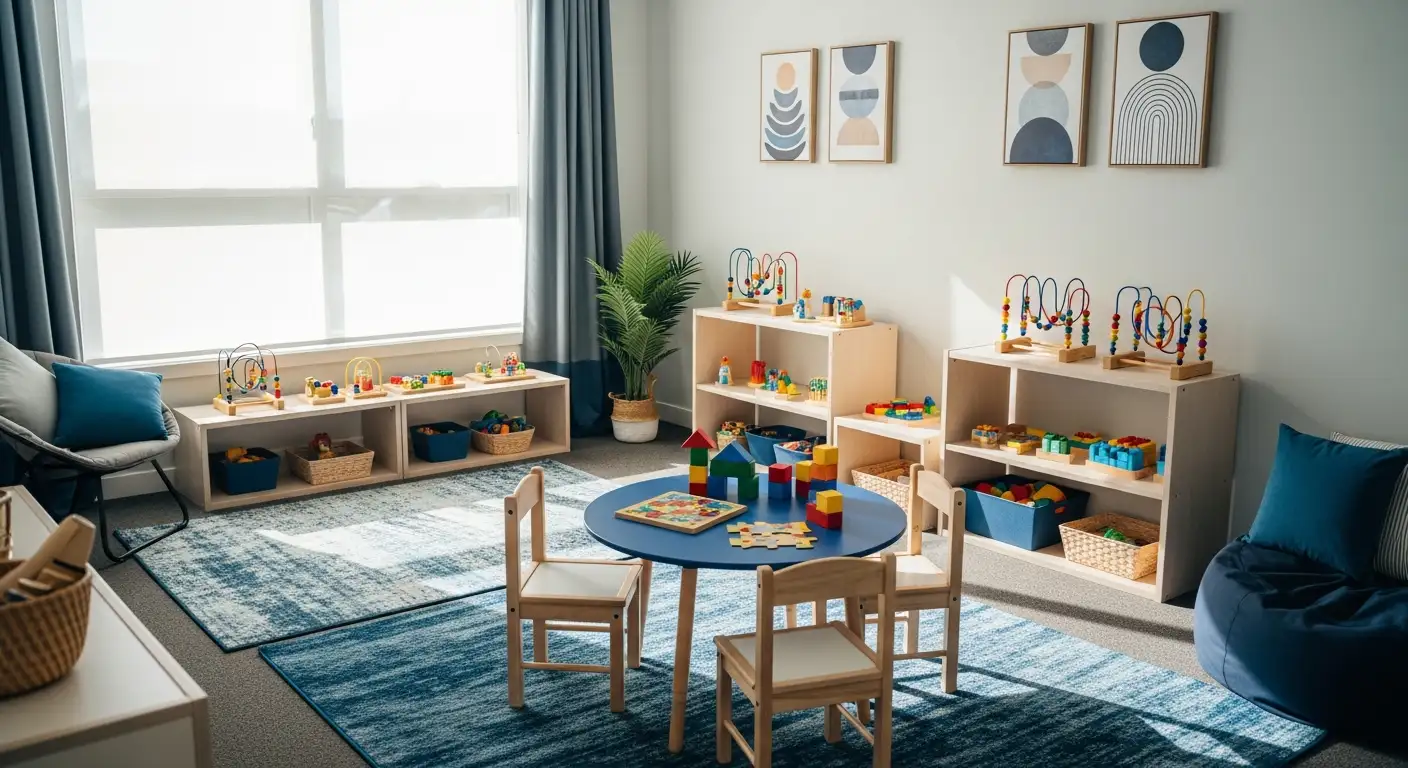



























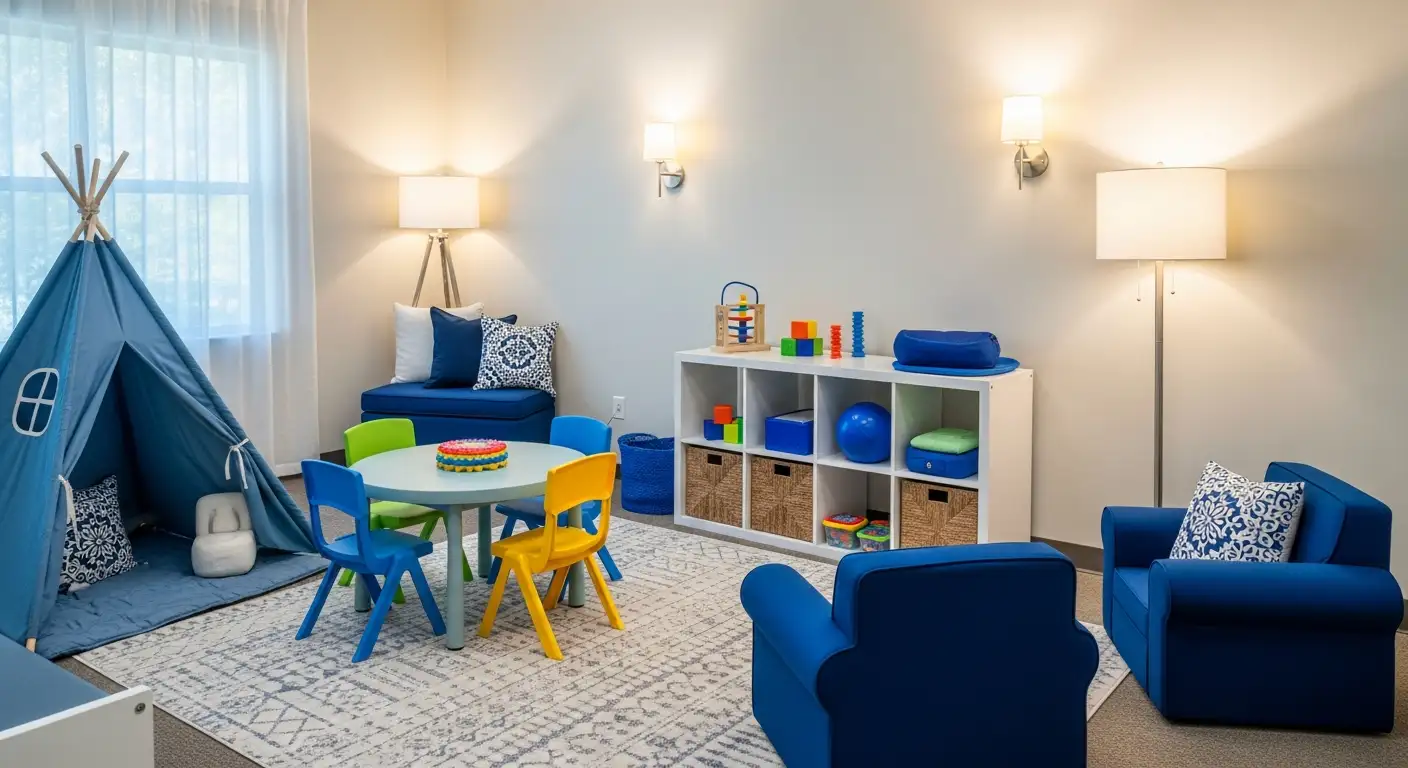



































Attentive Autism Care delivers compassionate, home-based ABA therapy, offering personalized support to help children with autism thrive and achieve their best.
