

How to Create Autism-Friendly Movie Events
Designing Inclusive Cinematic Experiences for Neurodiverse Audiences
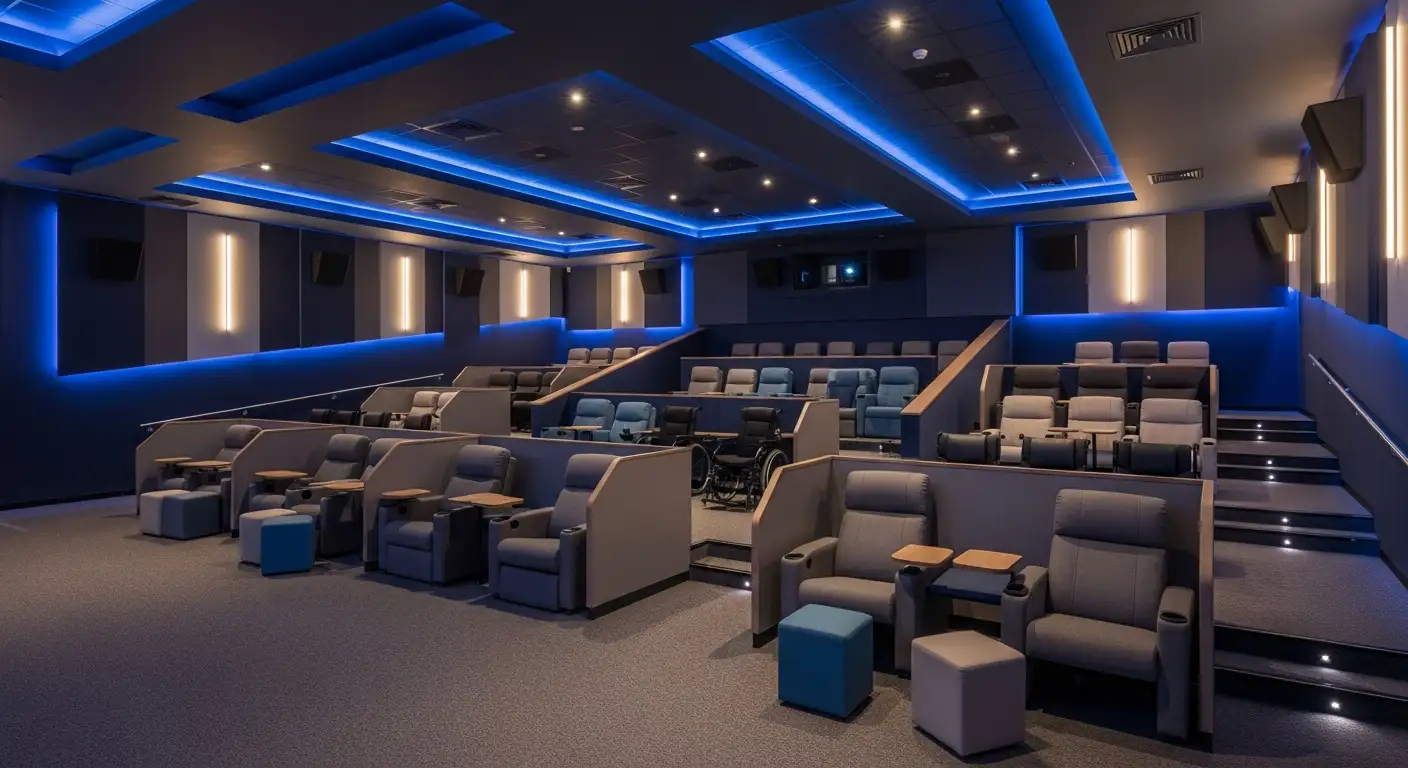
Bridging the Gap: Autism-Friendly Movie Events
Creating autism-friendly movie events involves thoughtful design and collaboration to ensure a comfortable, engaging cinematic experience for individuals with autism spectrum disorder (ASD). By addressing sensory sensitivities and behavioral needs through dedicated strategies, event organizers can foster inclusion and enjoyment for neurodiverse audiences. This article explores practical approaches to developing such movie events, drawing from principles of sensory environment design, behavior analysis, and community inclusion.
Understanding Autism Spectrum Disorder and the Need for Autism-Friendly Events
What Is Autism Spectrum Disorder (ASD)?
Autism Spectrum Disorder (ASD) is a neurodevelopmental condition characterized by differences in social interaction, communication, and behavior. People with ASD often experience heightened sensitivity to sensory stimuli such as bright lights, loud sounds, and crowded places, which can make everyday environments overwhelming.
Challenges Faced by Autistic Individuals in Typical Movie Environments
Typical movie theaters can present many sensory challenges. Bright, flickering lights, loud unexpected noises, and enclosed spaces may trigger anxiety, discomfort, or distress in autistic individuals. These sensory stressors can lead to difficulties in enjoying the movie experience or even cause behavioral challenges.
Importance of Inclusive Movie Events for Neurodiverse Audiences
Creating autism-friendly or sensory-friendly movie events helps accommodate these sensory sensitivities, allowing individuals on the spectrum to participate comfortably. Adjustments might include dimmed lighting, reduced volume, and relaxed rules about movement and noise. These inclusive settings foster a welcoming atmosphere, encouraging enjoyment and social inclusion for neurodiverse audiences.
How Therapy Supports Adaptation
Applied Behavior Analysis (ABA) therapy supports autistic individuals by using evidence-based techniques to encourage positive behaviors, improve communication, and increase independence. ABA assessments by qualified professionals help tailor interventions to each person's unique needs, promoting better adaptation to diverse environments, including social outings like movie-going.
By understanding ASD and adapting environments to be more sensory-friendly, communities can create accessible, enjoyable experiences that embrace neurodiversity and promote inclusion.
Sensory Challenges in Movie Theaters: Why Sensory Havens Matter
What Sensory Sensitivities Are Common in Autism?
Individuals with autism spectrum disorder (ASD) often experience heightened sensitivities to sensory inputs such as loud noises, bright lights, or unexpected sounds. These sensitivities mean that environments filled with sudden or intense sensory stimuli can become overwhelming and distressing.
How Are Typical Movie Theaters Sensory Challenging?
Standard movie theaters commonly feature loud audio, variable lighting, and crowded spaces that can trigger discomfort or overstimulation for neurodiverse individuals. The booming sound systems and flickering screens, while designed for entertainment, may inadvertently create an unfriendly sensory setting.
What Are the Effects of Unfriendly Sensory Environments?
When exposed to harsh sensory environments like those found in many theaters, people with autism may experience increased anxiety and exhibit challenging behaviors. Such reactions are often attempts to cope with the overwhelming sensory input and can make movie-going a stressful experience.
Sensory havens offer a solution by creating safe, calming spaces tailored to the unique sensory needs of neurodiverse individuals. By reducing anxiety and supporting self-regulation, sensory havens play a crucial role in making movie theaters—and other venues—more accessible and enjoyable for everyone.
The Science Behind Sensory Havens: Creating Calm Spaces
What Are Sensory Havens and What Is Their Purpose?
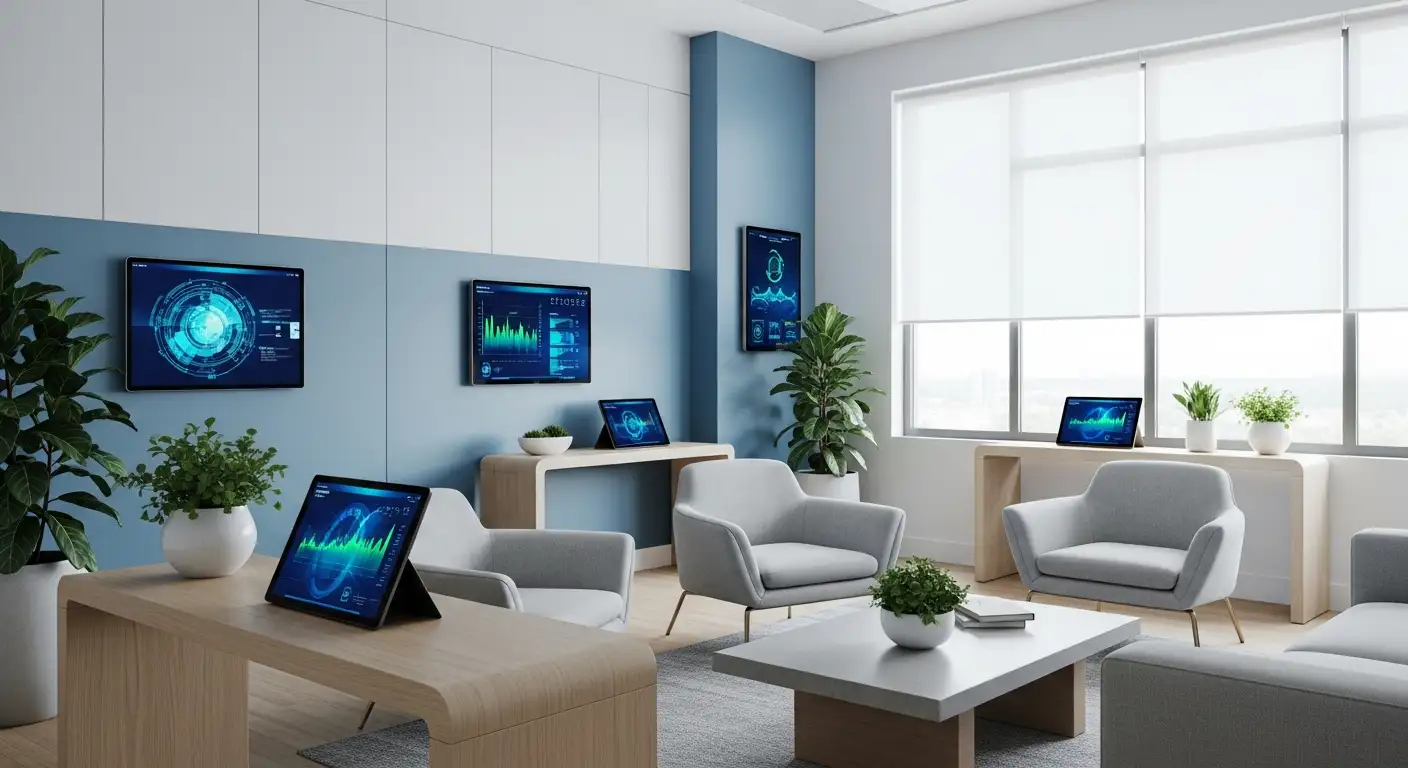
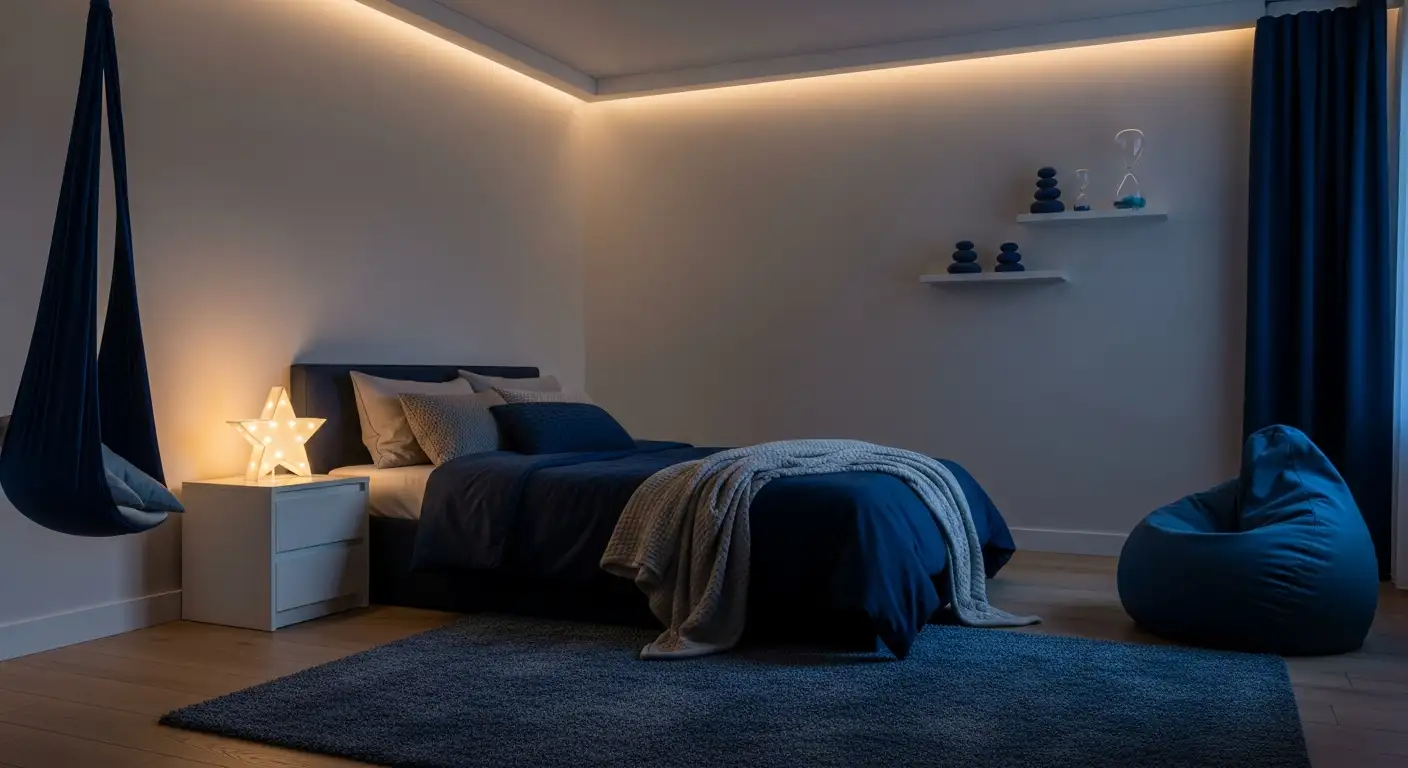
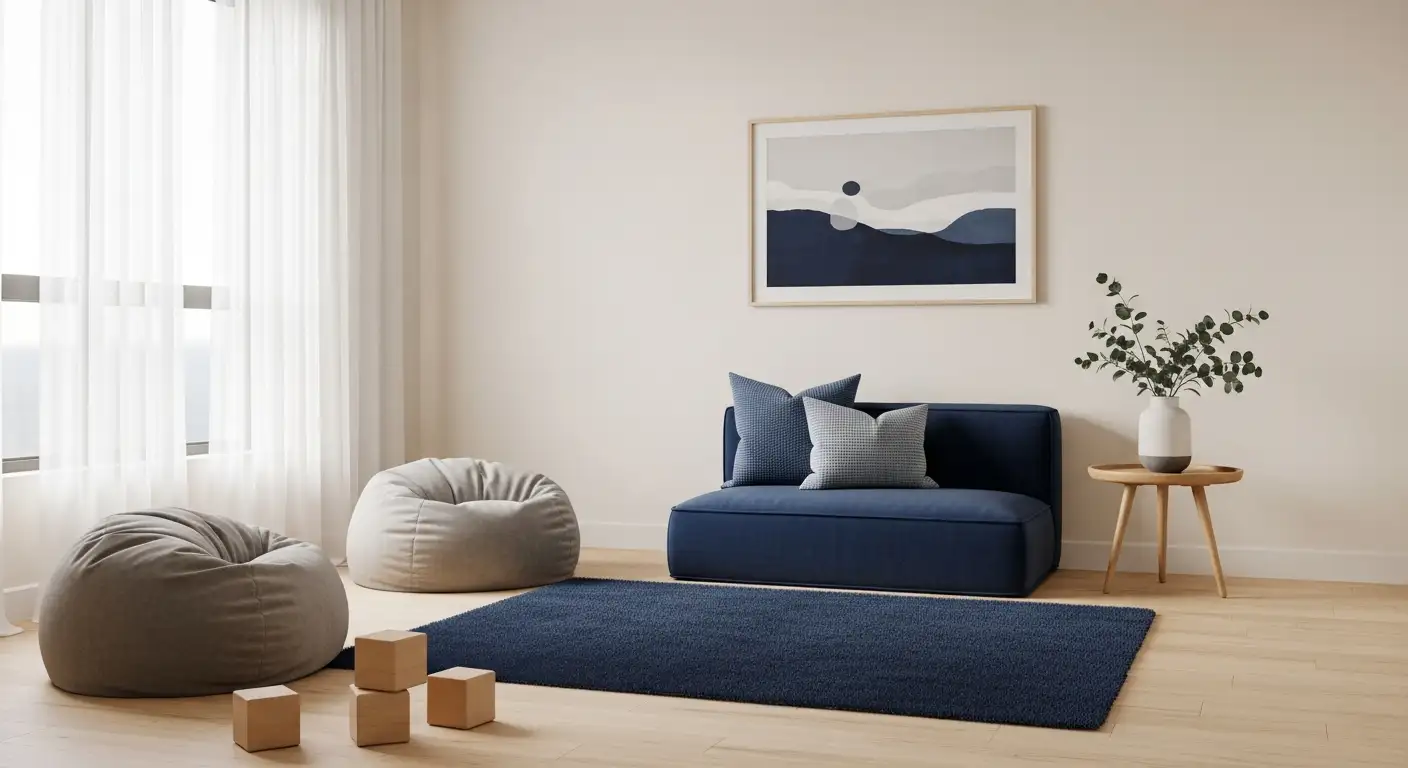
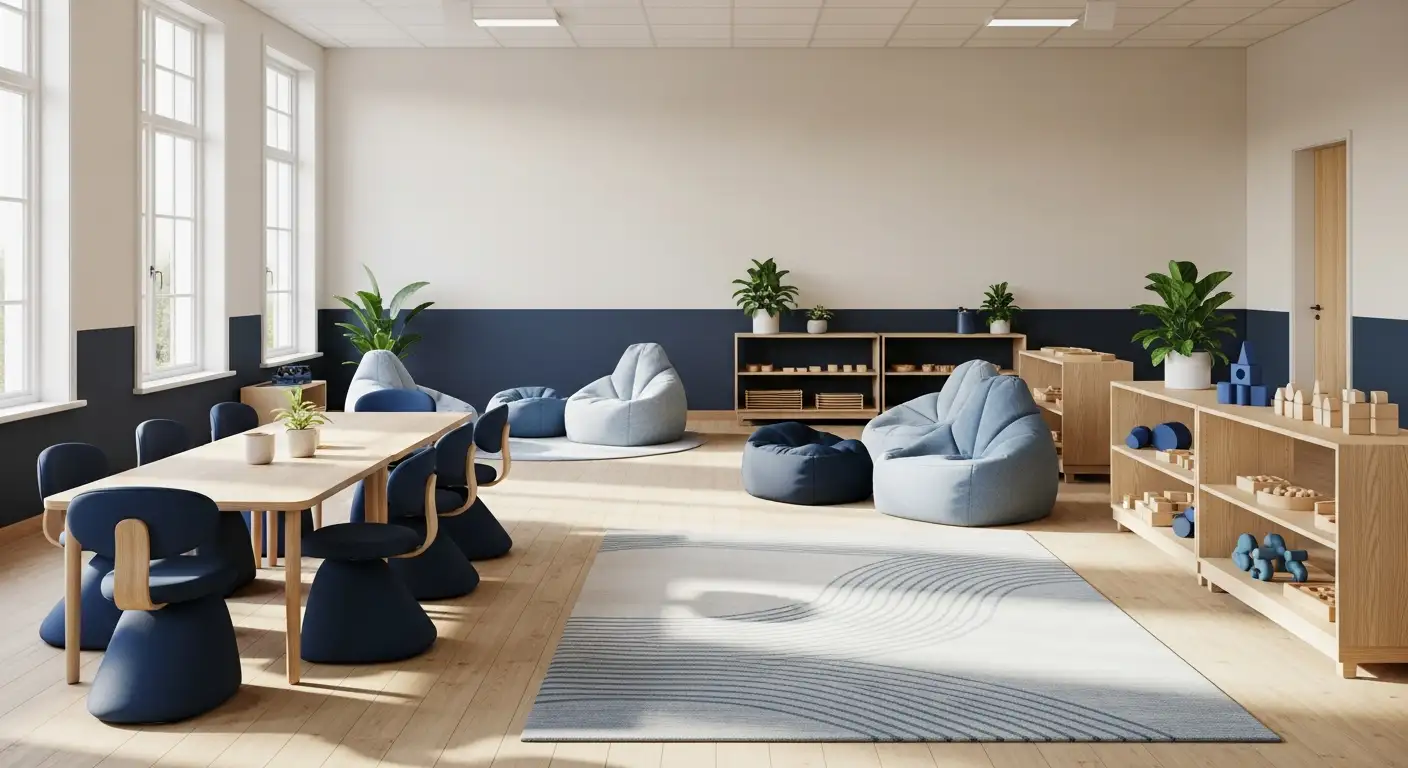
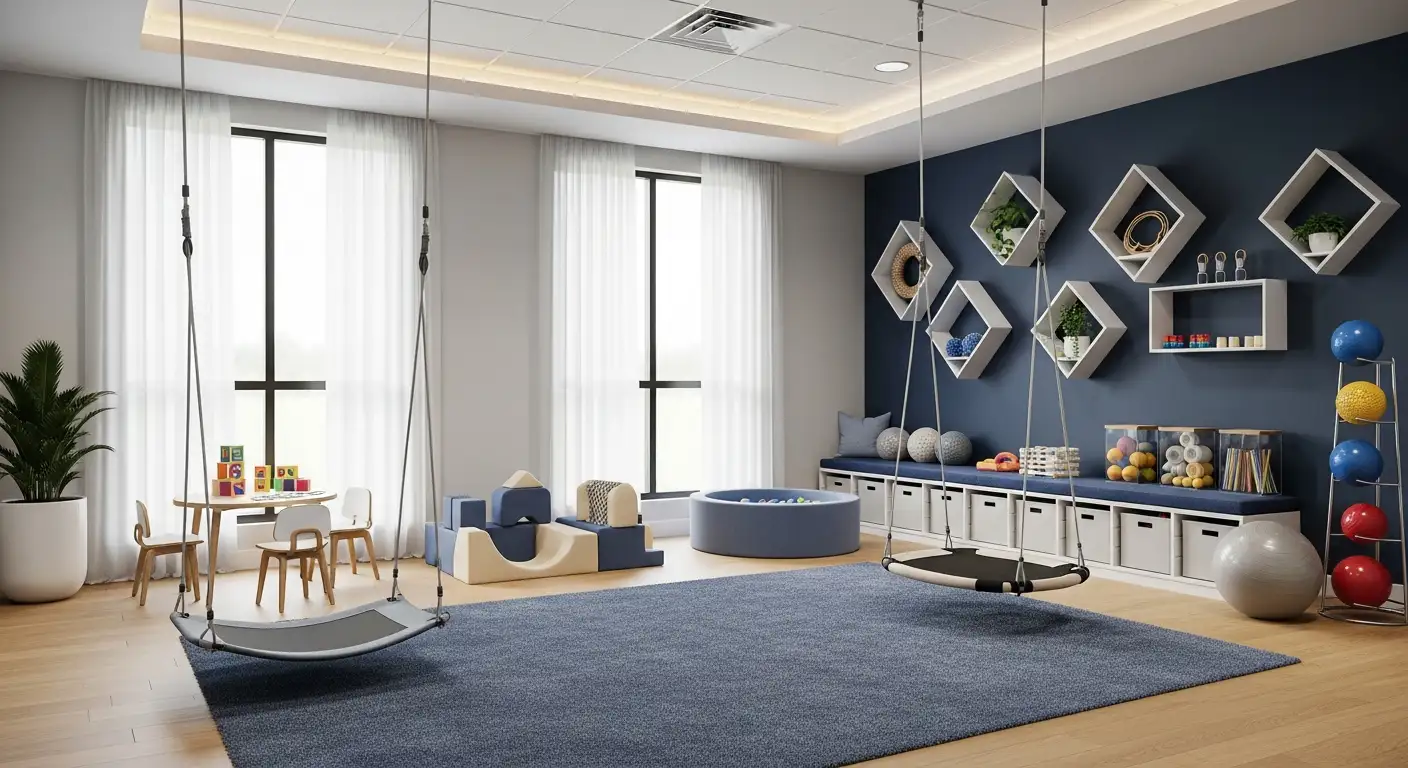
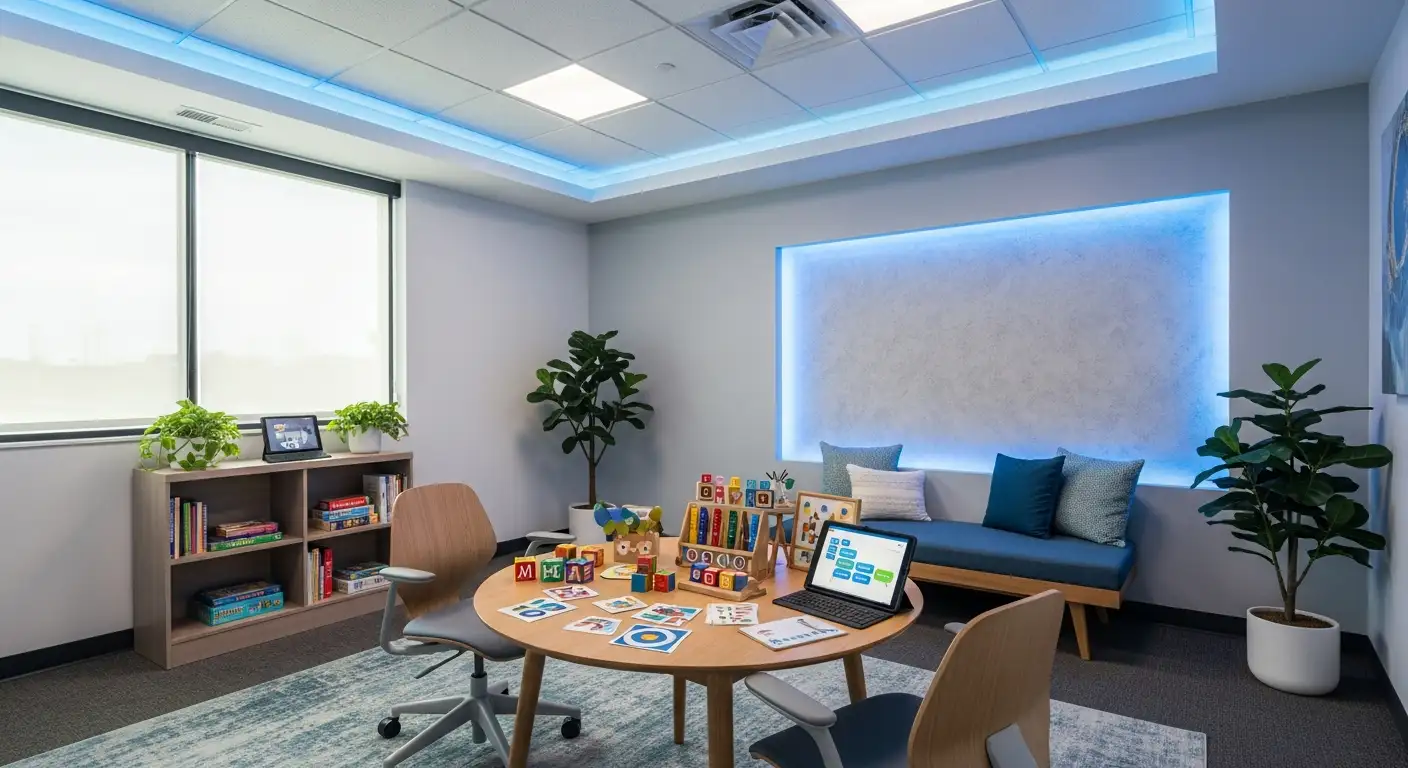
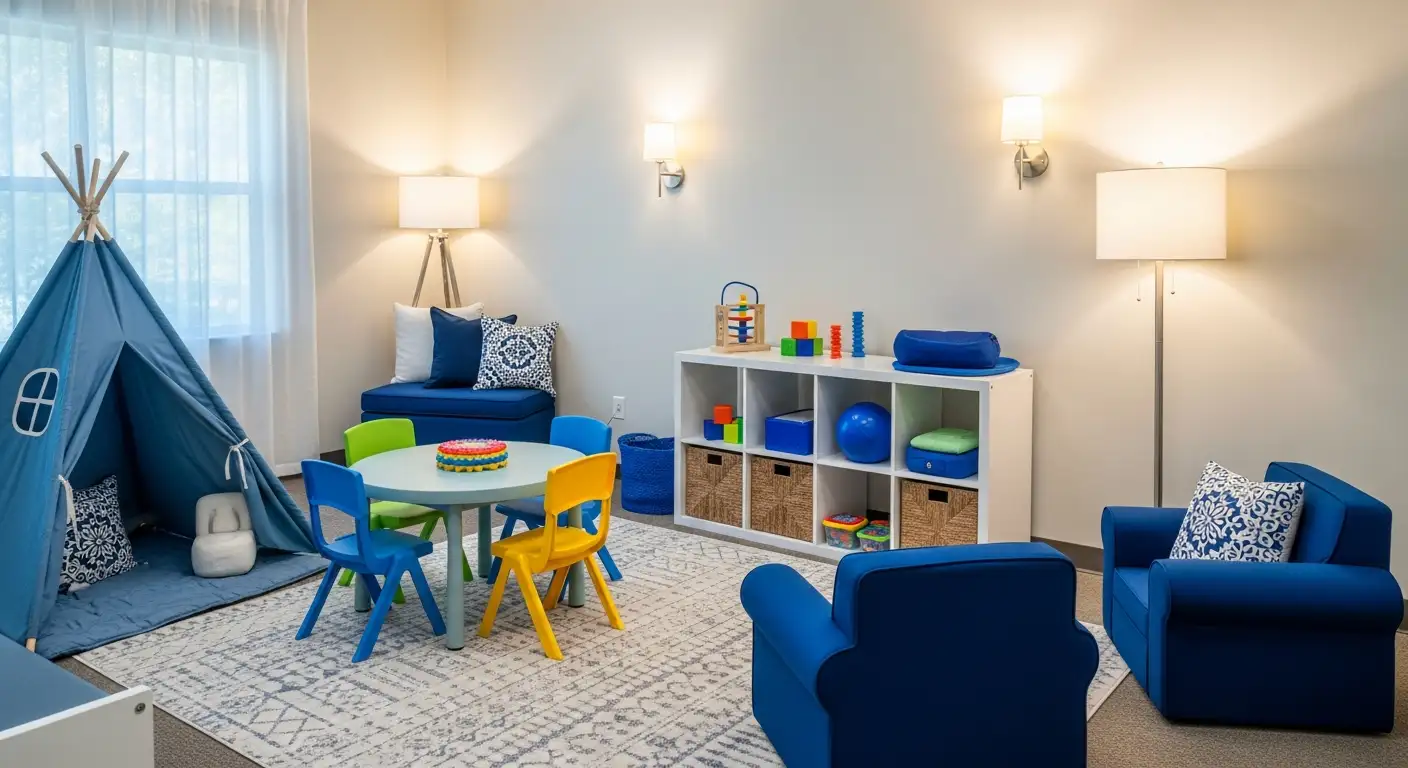
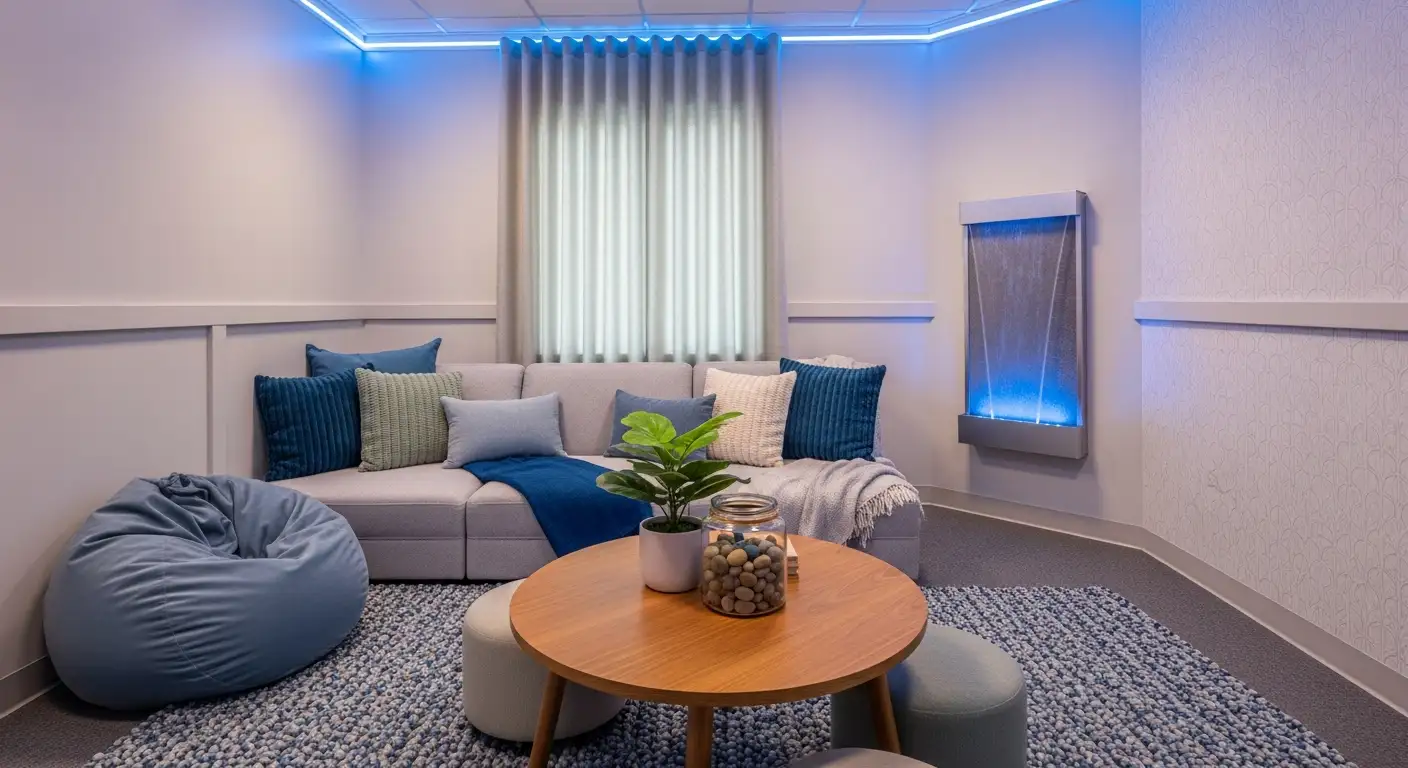
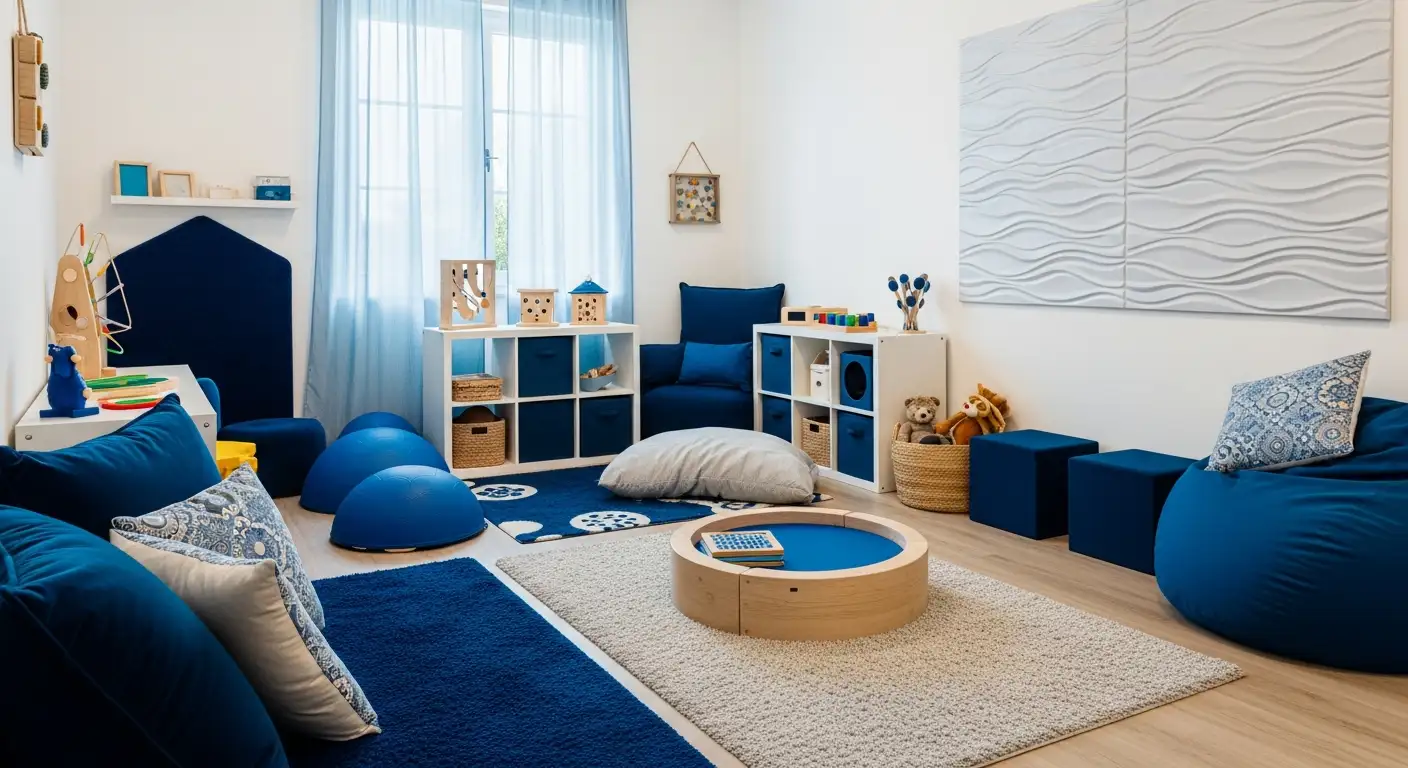
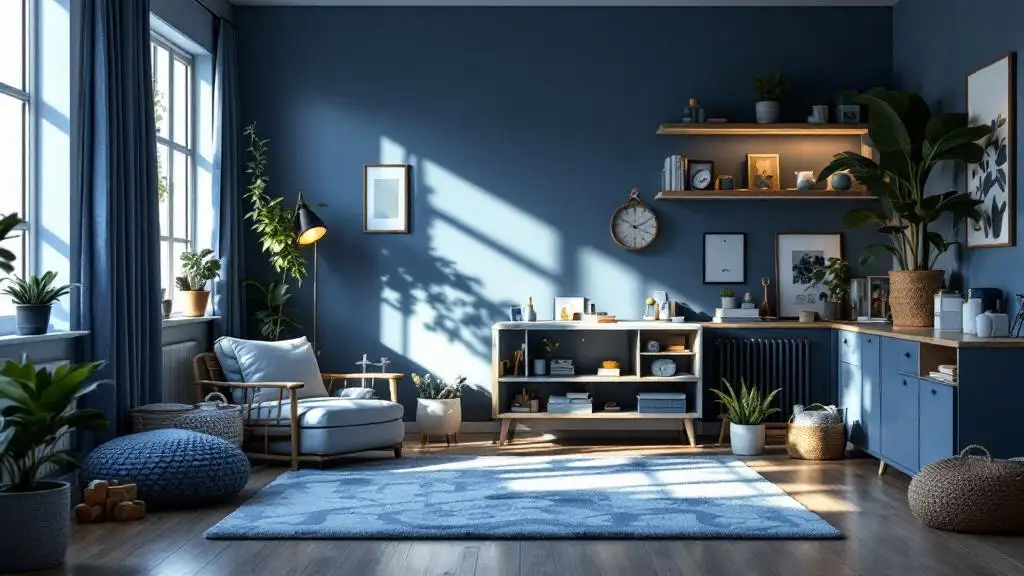
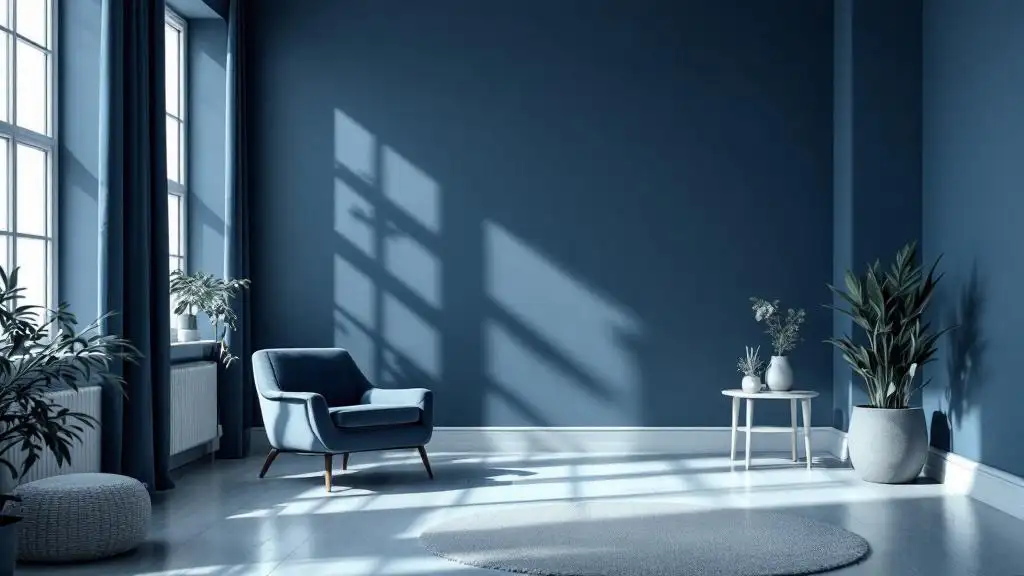
Sensory havens are carefully designed multisensory environments aimed at fostering relaxation and encouraging adaptive behaviors in individuals with autism spectrum disorder (ASD) and other neurodiverse conditions. These spaces function as safe retreats where sensory input is controlled to support emotional and behavioral regulation.
What Principles Guide the Design of Sensory Havens?
Creating effective sensory havens involves applying design elements rooted in autism architecture. The ASPECTSS model serves as a foundation, emphasizing:
- Acoustics: Minimizing overwhelming noise to reduce sensory overload.
- Spatial Sequencing: Arranging areas in a logical flow to aid comprehension and comfort.
- Escape Routes: Providing clear exits to foster a sense of safety.
- Compartmentalization: Dividing space into manageable sections for focused activities.
- Transition Spaces: Allowing gradual changes between areas.
- Sensory Zoning: Segregating zones based on sensory stimuli intensity.
- Safety: Ensuring the environment protects users from harm. Within these spaces, tools like weighted vests, fiber-optic lights, and noise-canceling headphones help individuals self-regulate.
How Do Sensory Havens Reduce Anxiety and Encourage Positive Behavior?
Research demonstrates that sensory havens diminish anxiety and curb challenging behaviors that often arise from sensory-unfriendly settings. By moderating sensory input and creating welcoming, predictable environments, these spaces enable individuals to feel secure and in control, which lowers stress and improves engagement.
| Aspect | Description | Impact on Users |
|---|---|---|
| Multisensory Design | Incorporates visual, auditory, tactile stimuli | Promotes calm and focus |
| ASPECTSS Principles | Architectural framework tailored for neurodiversity | Enhances accessibility and safety |
| Sensory Tools | Weighted vests, headphones, light displays | Aids self-regulation |
Incorporating Autism Architecture Principles in Movie Event Spaces
What are the ASPECTSS principles?
ASPECTSS is a framework derived from autism architecture that guides the design of environments for individuals with autism and neurodiversity. It includes:
- Acoustics: Managing sound levels to reduce sensory overload.
- Spatial Sequencing: Organizing space to facilitate clear navigation.
- Escape Routes: Providing accessible exits for breaks or emergencies.
- Compartmentalization: Creating distinct zones for different activities.
- Transition Spaces: Introducing buffer zones to ease movement between areas.
- Sensory Zoning: Designating specific sensory environments to cater to varied needs.
- Safety: Ensuring physical and emotional security throughout the space.
How can ASPECTSS be applied to movie theaters and event spaces?
Movie theaters and event venues often challenge sensory-sensitive individuals with loud sounds, crowded seating, and unpredictable lighting. Applying ASPECTSS can address these concerns effectively. For instance, acoustic treatments can minimize overwhelming noise, and spatial sequencing can streamline the flow from entry to seating. Escape routes are essential for quick access to quiet areas or exits, while compartmentalization allows for designated calming zones.
Transition spaces like quiet lobbies or vestibules can help guests adjust before entering the main event area. Sensory zoning can offer varied experiences, such as low-stimulation screening rooms or specially equipped sensory havens within the venue. Safety considerations include clear signage and staff training to support neurodiverse visitors.
What modifications enhance sensory-friendly environments in these venues?
Several modifications can make movie event spaces more welcoming:
- Incorporating noise-canceling headphones rentals or chill-out zones equipped with weighted blankets and lighting controls.
- Adjusting lighting to avoid sudden flashes or excessively bright areas.
- Implementing flexible seating arrangements that accommodate personal space preferences.
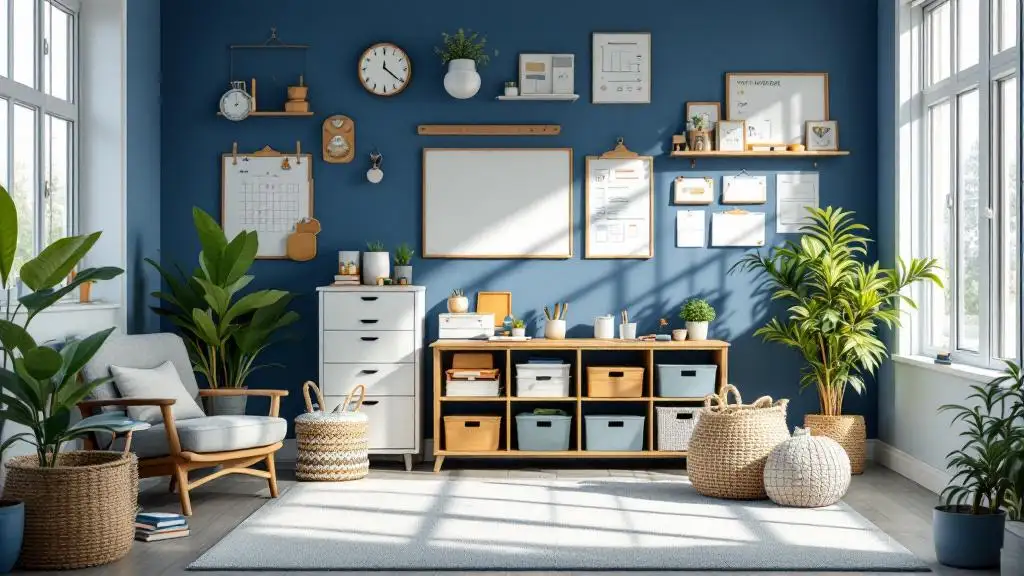
- Providing clear, step-by-step visual guides for navigating the venue.
- Training staff in autism awareness to support neurodiverse guests.
By integrating ASPECTSS principles thoughtfully, movie theaters and event spaces can become sensory havens that promote comfort and inclusivity for all attendees.
Sensory Tools That Enhance Comfort at Movie Events
What Are Weighted Vests and How Do They Help?
Weighted vests provide deep pressure stimulation which can have a calming effect on individuals with autism. By applying gentle, even pressure across the torso, these vests help reduce anxiety and promote a sense of security during potentially overwhelming movie events.
How Do Fiber-Optic Light Displays Support Sensory Regulation?
Fiber-optic light displays offer soothing, dynamic visual stimulation that can capture attention without causing overstimulation. These displays create calming focal points, helping individuals to manage sensory input and maintain focus during busy or noisy environments.
The Role of Noise-Canceling Headphones at Movie Venues
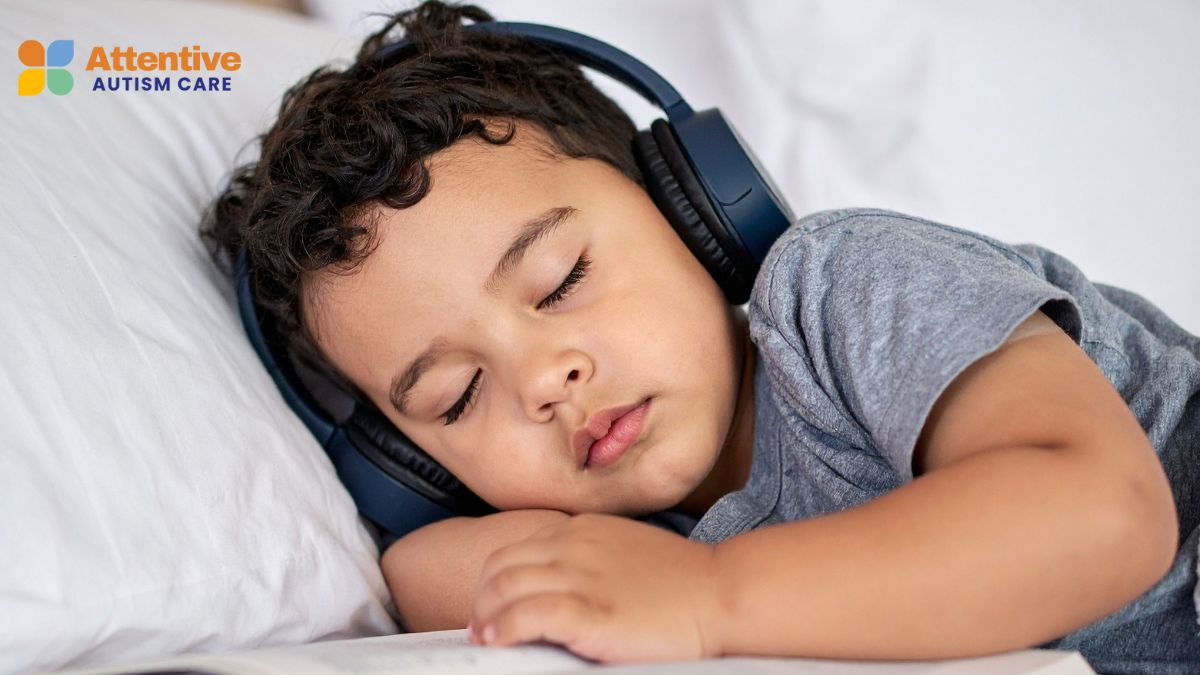
Noise-canceling headphones are essential in filtering out loud, unexpected sounds or background noise commonly experienced during movie screenings. By minimizing auditory overload, they empower neurodiverse attendees to enjoy the event more comfortably and with reduced stress.
What Are Calming Stations and Their Benefits?
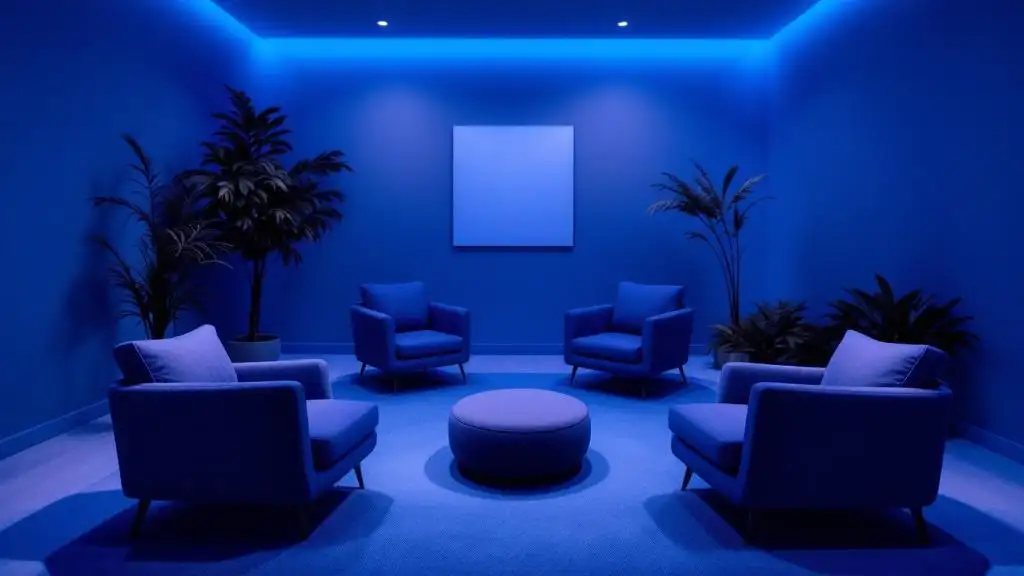
Calming stations are designated quiet areas equipped with sensory-friendly tools and comfortable seating where individuals can retreat if overwhelmed. These spaces provide a controlled, peaceful environment to help reset sensory input and regain composure.
How Do These Tools Support Self-Regulation During Events?
Combining these sensory tools in movie events enables individuals with autism and neurodiversity to better manage their sensory experiences. They facilitate self-regulation by offering personalized options that reduce anxiety, prevent behavioral challenges, and promote participation in communal activities.
Collaborating with Neurodiverse Individuals to Design Effective Movie Events
Why Involving Autistic Individuals in Planning Matters
Designing sensory-friendly movie events benefits greatly from direct collaboration with autistic individuals. Their personal experiences provide essential insights into the sensory challenges they face, helping planners create environments that truly accommodate diverse sensory needs rather than relying on assumptions.
Gathering Feedback to Tailor Environments
Seeking ongoing feedback during the planning and after initial events allows organizers to refine sensory supports. This might involve adjustments to lighting, sound levels, or availability of calming stations. Regular input from neurodiverse participants ensures the environment remains adaptive and supportive.
Co-Creating Inclusive Experiences and Accommodations
Co-creation empowers neurodiverse individuals to have meaningful input in accommodations such as seating arrangements, sensory tools (like noise-canceling headphones), and event pacing. This collaborative approach fosters a sense of ownership and helps develop movie events that are welcoming, comfortable, and accessible to all attendees.
Portable and Affordable Sensory Havens for Versatile Use
Overview of portable sensory haven designs
Portable sensory havens are thoughtfully crafted multisensory spaces that can be easily transported and set up in diverse locations. These designs often include lightweight, collapsible structures, combined with sensory tools such as weighted blankets, fiber-optic lights, and noise-canceling headphones. The adaptability of these units allows them to be tailored for a variety of environments, ensuring they meet the unique sensory needs of neurodiverse individuals wherever they are used.
Benefits for indoor and outdoor event use
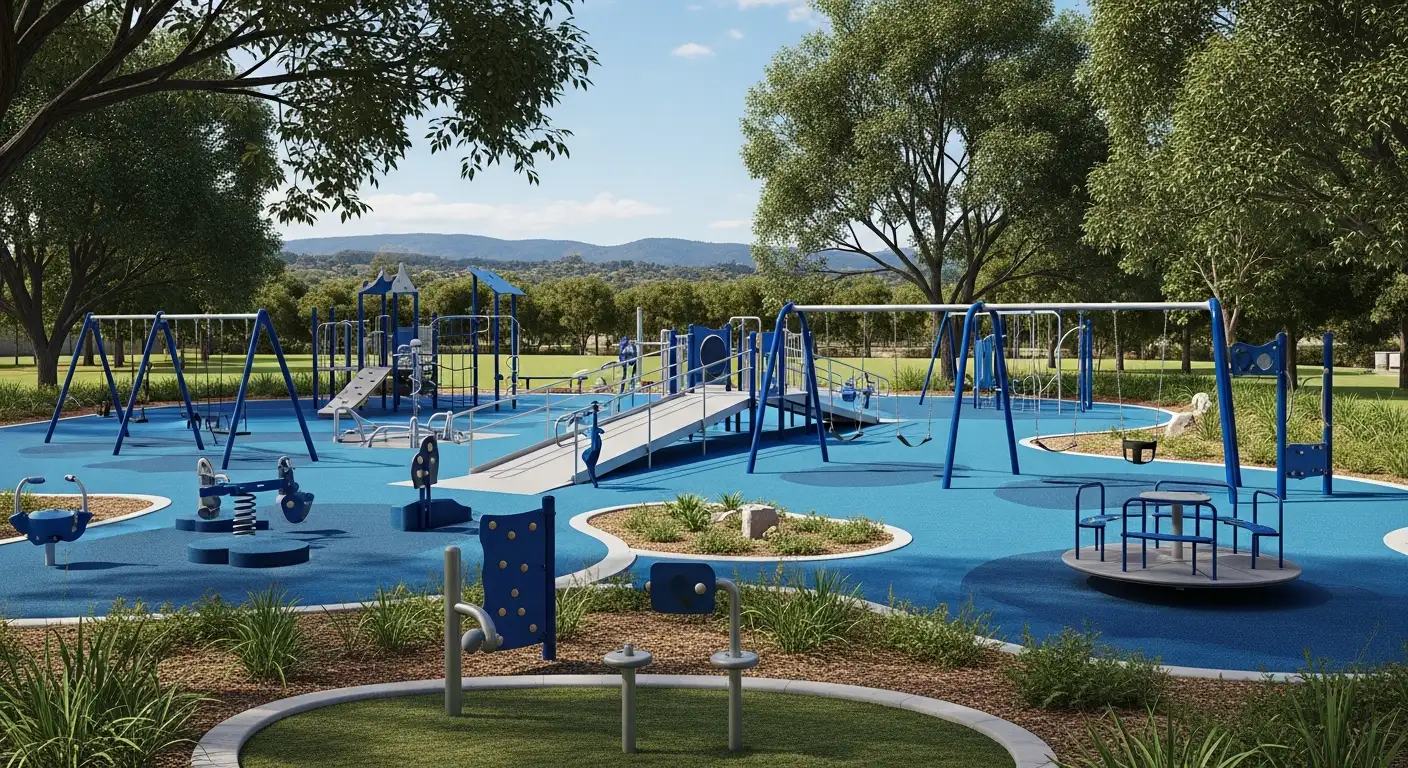
These portable havens bring significant advantages to both indoor and outdoor events. For indoor venues like museums or aquariums, they provide quiet, calming retreats away from overwhelming stimuli. Outdoors, at places like parks or water attractions, these sensory havens offer a safe, controlled space that allows individuals with autism to take meaningful breaks. This flexibility supports continuous participation and reduces anxiety or behavioral challenges during exciting but potentially overstimulating events.
Increasing inclusivity through adaptable sensory-friendly spaces
By incorporating portability and affordability, sensory havens become accessible to a broader range of community venues and event organizers. This inclusivity ensures neurodiverse individuals can engage more fully in recreational and cultural activities, promoting social integration. Collaboration with neurodiverse individuals in designing these spaces ensures that sensory havens remain responsive to actual needs, driving a more welcoming and understanding society.
| Aspect | Feature | Impact on Users |
|---|---|---|
| Portability | Lightweight, collapsible setups | Easy to transport and install in various venues |
| Sensory tools | Weighted vests, light displays | Supports self-regulation and reduces anxiety |
| Environment adaptability | Usable indoors and outdoors | Provides versatile calming spaces across events |
| Inclusivity | Community-driven design | Enhances participation and social integration |
Who Provides ABA Therapy and Their Role in Supporting Autism-Friendly Events?
Who typically provides ABA therapy services?
ABA therapy is usually offered by trained professionals such as board-certified behavior analysts (BCBAs), licensed therapists, and specialized support staff. These experts work in diverse environments that range from clinical settings and schools to community venues and homes. ABA providers often operate through private clinics, agencies, or autism-focused organizations.
Parents and caregivers are key partners with ABA professionals, collaborating closely to develop personalized intervention plans tailored to the unique needs of each individual with autism. Many ABA teams include multidisciplinary specialists who continuously assess and modify therapy approaches to maximize positive outcomes.
How do ABA professionals collaborate with event organizers?
ABA providers play an important role when it comes to designing and supporting autism-friendly community events. Their expertise helps event planners craft behavioral strategies that make participation comfortable and successful for neurodiverse individuals. Collaboration ensures environments are structured to reduce stress triggers and support positive behaviors.
What input do ABA providers give in behavioral support at autism-friendly events?
ABA therapists offer valuable insights into how behavior may change in public or sensory-rich settings. They help create behavioral supports such as quiet zones, visual schedules, and sensory tools that accommodate the needs of attendees. This ongoing support helps individuals better manage anxiety or overstimulation during events, improving engagement and inclusion.
Effective ABA involvement enhances event accessibility and fosters enjoyable experiences for individuals with autism and their families, building community connection through tailored behavioral guidance.
Determining When ABA Therapy is Suitable: Assessment and Planning
What criteria are used to determine if ABA therapy is appropriate for a person?
Determining whether Applied Behavior Analysis (ABA) therapy is suitable begins with comprehensive diagnostic evaluations conducted by qualified professionals. These evaluations often use standardized assessment tools such as the Autism Diagnostic Observation Schedule (ADOS) to confirm Autism Spectrum Disorder (ASD) or other developmental disabilities.
Functional Behavior Assessments (FBAs) are then utilized to identify specific behavioral challenges and understand the contexts in which problem behaviors occur. These assessments help specialists tailor ABA interventions to address the individual's unique needs.
Early intervention plays a significant role; children assessed before age five tend to benefit most from ABA therapy. Regular progress monitoring is important to adjust goals and therapy intensity as needed.
Family involvement is critical throughout the process. Families contribute valuable insights during assessment and participate in therapy planning to ensure the approach aligns with the individual’s goals and daily life.
Other considerations influencing appropriateness include whether the individual meets diagnostic criteria for ASD, the severity of behavioral concerns, and practical issues such as funding availability or insurance coverage. Altogether, these factors help professionals and families decide if ABA therapy is the right choice.
Effective ABA Techniques for Supporting Behavior at Movie Events

What are some common techniques used in ABA therapy?
Applied Behavior Analysis (ABA) employs several techniques to support individuals, especially in environments like movie events where managing behavior and engagement is crucial.
Positive reinforcement is a fundamental strategy where desired behaviors are encouraged by providing rewards, making it more likely these behaviors will continue.
Discrete Trial Training (DTT) breaks tasks into small, manageable steps, allowing repeated practice and mastery. This structured approach is ideal for learning new skills in settings with many sensory distractions.
Visual aids and prompting—such as picture cards or simple cues—help guide individuals through sequences or behaviors, providing clear, understandable support.
Natural Environment Teaching (NET) encourages learning within real-life contexts. At a movie event, this means teaching skills during the actual experience to help generalization.
Behavior chaining links together small learned steps into complete sequences, like preparing to enter or exit the cinema, while fading gradually reduces prompts to encourage independence.
How can these ABA techniques enhance movie event participation?
By combining these strategies, individuals can better navigate the challenges of movie events. For example, visual schedules can prepare an attendee for the event phases, reinforcement rewards calm behavior, and natural environment teaching helps transfer skills developed in therapy to the public setting.
This tailored application of ABA methods enhances engagement and reduces anxiety, making movie experiences more accessible and enjoyable for neurodiverse participants.
Scientific Evidence Supporting ABA Therapy for Autism
What evidence supports the effectiveness of ABA therapy for autism?
Over the past 40 years, extensive research has demonstrated that Applied Behavior Analysis (ABA) therapy is effective for individuals with autism. This evidence includes randomized controlled trials and single-case experimental designs that provide rigorous data on ABA's impact.
Research studies and meta-analyses
Meta-analyses synthesize results from multiple studies, showing significant improvements for autistic individuals receiving ABA therapy. For example, effect sizes such as g = 0.742 for communication and g = 0.740 for IQ reflect meaningful gains in these areas compared to controls.
Improvements in communication, cognitive, and adaptive skills
ABA therapy consistently enhances communication abilities, language development, cognitive functions, and adaptive behaviors. These skills are fundamental for daily living and independence, and ABA methods use structured, individualized teaching to promote their growth.
Effectiveness of functional analysis in behavior management
A crucial component of ABA is functional analysis, which identifies environmental triggers for challenging behaviors. This analysis successfully determines causes in over 90% of cases, enabling targeted interventions that reduce aggression, self-injury, and other problem behaviors.
Relevance to quality of life and social participation
The ultimate goal of ABA therapy is to improve quality of life. By fostering meaningful skill development and behavior regulation, ABA supports better social participation and integration in various settings such as home, school, and community.
Overall, ABA is recognized as a scientifically validated, individualized, evidence-based treatment approach with a strong body of research confirming its efficacy for individuals on the autism spectrum.
Adapting Movie Showtimes and Visuals to Meet Sensory Needs
How Can Volume Levels Be Adjusted to Support Neurodiverse Viewers?
Lowering volume levels during movie showtimes is an effective way to accommodate individuals sensitive to loud sounds. Reduced audio intensity helps minimize anxiety and sensory overload, creating a more comfortable environment for viewers with ASD and other sensory processing differences.
Why Is It Important to Modify Brightness and Flashing Images?
Films adapted for sensory-sensitive audiences often have reduced brightness and limited flashing images. This helps prevent discomfort and overstimulation that can arise from intense or rapid visual changes. By adjusting these visual elements, movie experiences become more accessible and enjoyable.
What Role Do Flexible Seating Arrangements Play?
Flexible seating arrangements allow viewers to choose spots that best suit their sensory preferences, such as sitting near exits or away from crowded areas. This customization supports self-regulation and reduces feelings of being overwhelmed, enhancing overall participation.
How Can Crowd Noise and Other Distractions Be Minimized?
Implementing quieter showtimes with reduced ambient noise helps in diminishing crowd distractions. Limiting loud chatter and managing entry and exit flow contributes to a calmer atmosphere conducive to focus and relaxation for neurodiverse audiences.
Creating Transition Spaces and Sensory Zones Within Venue
Quiet Waiting Areas
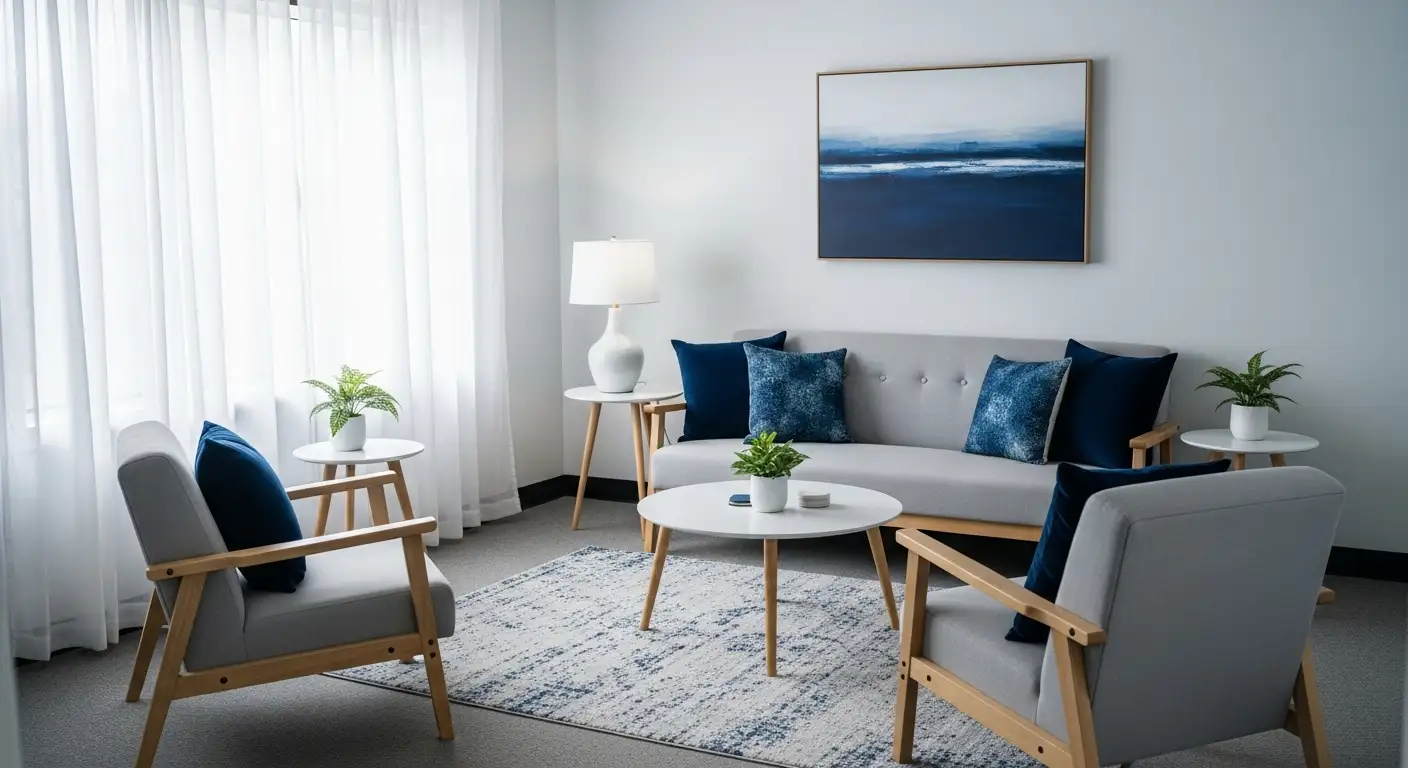
Quiet waiting areas are essential in sensory havens, providing a calm space for visitors to decompress before entering more stimulating environments. These areas minimize overwhelming sensory input and help reduce anxiety, especially for individuals with autism spectrum disorder (ASD).
Clearly Marked Zones for Different Sensory Input Levels
Sensory zones within venues are carefully designed and clearly marked to accommodate varying tolerance levels. For example, there can be low-sensory zones featuring dim lighting and soft sounds, as well as higher-stimulation zones for those who seek more sensory engagement. Clear signage and distinct visual cues guide visitors between these zones, promoting comfort and understanding.
Safe Escape Routes and Compartmentalized Spaces
Effective sensory environment design, guided by principles like ASPECTSS, includes safe escape routes and compartmentalized spaces. Escape routes offer quick access to quieter or less stimulating areas, empowering individuals to manage their sensory experience actively. Compartmentalized spaces divide larger areas into smaller, manageable sections, reducing sensory overload and providing refuge spots.
Supporting Gradual Transitions Between Activities
Transition spaces are tailored to support gradual changes between activities or environments. By incorporating features such as neutral lighting and calming elements, these spaces ease emotional and sensory shifts. This approach helps individuals adjust smoothly, decreasing stress and preventing behavioral challenges.
| Aspect | Description | Benefit |
|---|---|---|
| Quiet Waiting Areas | Designated calm zones with minimal sensory input | Reduce anxiety before entering busy places |
| Marked Sensory Zones | Clear labeling and separation of areas by sensory intensity | Help visitors self-select comfortable zones |
| Escape Routes | Planned pathways to quickly reach less stimulating spaces | Enable self-regulation and reduce overwhelm |
| Compartmentalization | Dividing spaces into smaller sections | Prevent sensory overload by limiting stimuli |
| Transition Spaces | Neutral areas facilitating smooth shifts between activities | Support emotional and sensory adjustment |
Training Staff to Support Neurodiverse Moviegoers
Awareness of Autism Characteristics
Effective support for neurodiverse moviegoers begins with staff understanding the characteristics of autism spectrum disorder (ASD). Training helps staff recognize behaviors such as sensory sensitivities, communication differences, and social interaction challenges. This awareness fosters empathy and patience.
Behavior Management Strategies
Staff are trained in gentle behavior management techniques to respond calmly to any distress or challenging reactions. Sensory havens within venues provide designated areas where individuals can self-regulate if overwhelmed, reducing disruptions and improving comfort.
Use of Visual Supports and Communication Aids
Incorporating visual supports like picture schedules and clear signage benefits neurodiverse individuals by providing predictable information. Communication aids, such as picture cards or tablets, enable clearer interaction between patrons and staff.
Sensitivity Training and Emergency Protocols
Sensitivity training teaches staff to respect sensory and communication needs without judgment. In addition, emergency protocols tailored to neurodiverse individuals ensure their safety and comfort during unexpected events. Staff learn to assist calmly and effectively.
Through comprehensive training covering autism characteristics, behavior strategies, supports, and sensitivity, movie theater staff can create a welcoming and inclusive environment that enhances the experience for neurodiverse audiences.
Incorporating Calming Stations in Movie Event Venues
How Should Calming Stations Be Designed and Located?
Calming stations in movie event venues should be thoughtfully designed with sensory havens principles to create a soothing multisensory environment. Ideal locations are quiet, easy to access from screening rooms, and separated enough to reduce sensory overload yet still within reach for quick breaks. Incorporating elements such as soft lighting, sound dampening materials, and clear signage can help visitors navigate to these spaces effortlessly.
What Items Should Be Provided at Calming Stations?
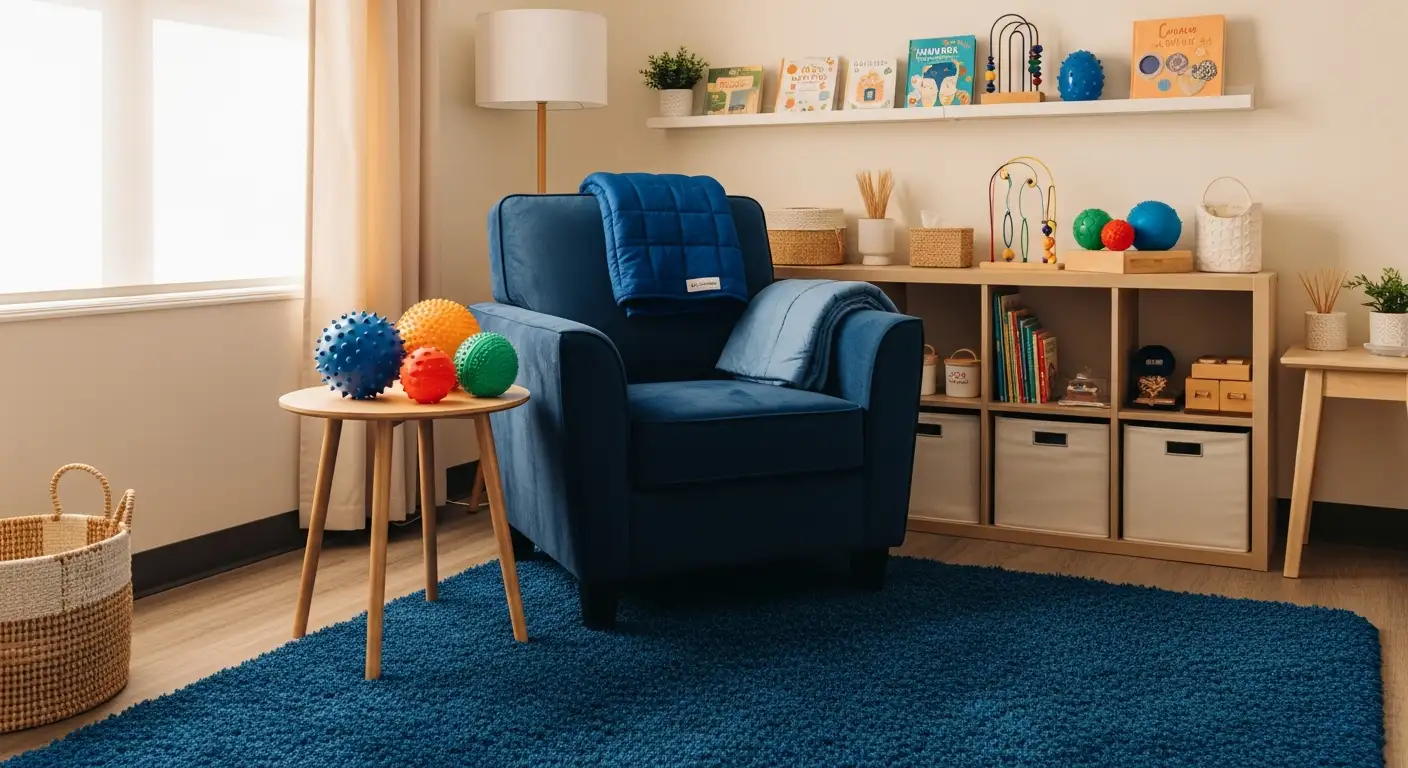
An effective calming station may include weighted blankets to provide deep pressure touch stimulation that promotes relaxation. Tactile toys can help individuals engage their sense of touch and focus their attention away from overwhelming stimuli. Quiet spaces or small compartmentalized areas allow for retreat and decompression. Together, these tools support individuals with autism spectrum disorder and other neurodiverse visitors in managing sensory challenges during movie screenings.
What Role Do Calming Stations Play in Self-Regulation During Screenings?
Calming stations serve as crucial self-regulatory supports that reduce anxiety and challenging behaviors that can arise from unpredictable sensory environments in public venues. They offer a safe retreat where attendees can regain composure and return to the event feeling more comfortable. This promotes an inclusive atmosphere enabling neurodiverse individuals to participate more fully and enjoy the event.
Effective integration of calming stations reflects the ASPECTSS principles—addressing acoustics, escape routes, and compartmentalization—to create sensory-friendly movie event experiences that benefit all attendees.
Partnering with Community Venues to Expand Autism-Friendly Programs
Examples from museums, zoos, aquariums, water parks
Community venues such as museums, zoos, aquariums, and water parks have increasingly incorporated sensory havens into their spaces to support neurodiverse visitors, particularly individuals with autism spectrum disorder (ASD). These sensory-friendly programs create multisensory environments that promote relaxation and adaptive behavior, helping to reduce anxiety caused by overwhelming sensory input.
Leveraging existing sensory programs for movie events
Many of these venues leverage their existing sensory-friendly infrastructure to extend accommodations to other community events, including movie screenings. This approach makes it possible to provide controlled sensory environments with tools like noise-canceling headphones and calming stations, enhancing participation opportunities for individuals who benefit from sensory havens.
Benefits of cross-industry collaboration
Cross-industry collaboration among cultural institutions, entertainment venues, and therapy specialists can lead to the sharing of best practices and sensory tools. This collaboration results in more inclusive spaces with thoughtful design based on principles such as those outlined in ASPECTSS — focusing on acoustics, safe escape routes, and sensory zoning. Furthermore, involving neurodiverse individuals in the planning process ensures that programs meet actual needs, fostering community engagement and improving overall accessibility.
Benefits of Early Intervention and Inclusion in Community Activities
How does ABA therapy benefit individuals with autism?
Applied Behavior Analysis (ABA) therapy plays a crucial role in supporting individuals with autism spectrum disorder (ASD). This evidence-based therapy works to improve a broad array of skills, including communication, social interactions, daily living abilities, and overall independence. By utilizing methods such as positive reinforcement and behavior analysis, ABA encourages meaningful and lasting behavior changes.
ABA programs are highly personalized, tailored to the individual’s unique needs through thorough assessments and ongoing modifications by professionals trained specifically in this field, such as board-certified behavior analysts (BCBAs). These programs may take place in homes, schools, and community settings.
Importantly, ABA therapy not only enhances skills like language and academic performance but also helps reduce challenging behaviors, which leads to a higher quality of life. Starting ABA therapy early and providing intensive support has been shown to produce significant developmental improvements.
Increased social and communication skills
Early ABA intervention improves how children with autism interact socially and communicate with others. These enhanced skills enable greater engagement with family members, peers, and community members. These social gains are essential for forming meaningful relationships and participating actively in everyday life.
Supporting independence through community participation
Fostering independence is another vital outcome of early ABA therapy. As individuals develop skills and reduce problematic behaviors, they are better equipped to navigate community activities and routines on their own. This increased autonomy encourages fuller participation in educational settings, recreational activities, and other social environments, helping individuals live richer, more integrated lives.
Practical Steps to Publicize and Promote Autism-Friendly Movie Events
Use of Clear Communication Channels
To effectively publicize autism-friendly movie events, organizers should utilize clear and accessible communication channels. This includes posting announcements on websites, social media platforms, and community bulletin boards with straightforward language that highlights the accommodations offered. Ensuring messaging is easily understandable helps potential attendees and their families feel comfortable and informed about the event.
Outreach to Autism Support Groups and Communities
Connecting directly with autism support groups, advocacy organizations, and local neurodiversity communities is vital. These groups serve as trusted sources of information and can amplify event promotion through newsletters, forums, and meetings. Collaboration fosters a sense of inclusion and encourages attendance by people who will benefit most from the sensory-friendly environment.
Providing Detailed Event Descriptions Including Sensory Accommodations
Comprehensive event descriptions should clearly outline the sensory accommodations in place, such as reduced volume levels, adjusted lighting, the availability of quiet zones, and the presence of sensory tools like noise-canceling headphones. Detailed information about accessibility, seating arrangements, and timing allows attendees to prepare for a positive experience. Transparency about these adaptations builds trust and reduces anxiety about participating in a new environment.
Feedback and Continuous Improvement: Listening to Attendees
Collecting feedback from neurodiverse attendees and families
Gathering input directly from neurodiverse individuals and their families is vital to understanding how sensory havens are meeting their needs. Methods such as surveys, interviews, and informal conversations provide valuable insights about specific sensory tools and environment features that work well or need adjustment. Engaging attendees in this feedback process respects their experiences and empowers them to shape these spaces.
Evaluating success of sensory adaptations
Once feedback is collected, evaluating its implications helps determine the effectiveness of current sensory adaptations. This includes assessing if anxiety levels and challenging behaviors were reduced and if the venue’s sensory zoning and safety elements, based on principles like ASPECTSS, were helpful. Data from event staff observations and attendee reports together provide a comprehensive picture.
Implementing improvements for future events
Insights obtained should inform the iterative refinement of sensory havens. This might involve adjusting lighting, adding or removing sensory tools such as noise-canceling headphones or calming stations, or reconfiguring spatial sequencing to better support self-regulation. Involving neurodiverse individuals in planning ensures that adaptations remain responsive and meaningful. Ultimately, continuous feedback fosters more welcoming and inclusive environments, encouraging wider participation in community venues.
Advantages of Autism-Friendly Movie Events for Broader Audiences
Creating universally accessible spaces
Autism-friendly movie events are designed to be inclusive, allowing individuals with autism spectrum disorder (ASD) and neurodiversity to participate comfortably. Using principles like those found in sensory havens, these events optimize sensory environments—adjusting lighting, sound, and providing quiet zones—to minimize anxiety and over-stimulation. This approach benefits not only neurodiverse attendees but also families with young children, elderly guests, and anyone who prefers a more relaxed setting.
Enhancing overall event atmosphere
Incorporating sensory-friendly elements such as lower volume levels, flexible seating arrangements, and provision of sensory tools (such as noise-canceling headphones or calming areas) contributes to a calmer and more welcoming atmosphere. This inclusive environment encourages positive social interaction and reduces challenging behaviors, promoting a smoother experience for all attendees and staff. Venues that adopt these practices often see increased satisfaction rates across diverse audience groups.
Promoting community awareness and acceptance
Hosting autism-friendly movie events helps raise public awareness about neurodiversity and the importance of inclusive design. These events foster understanding by demonstrating accommodations that support neurodiverse individuals, thereby reducing stigma. As a result, the broader community becomes more accepting and supportive of diverse needs, encouraging a culture of empathy and inclusion that extends beyond the event itself.
Future Directions: Innovations in Autism-Friendly Cinematic Experiences
How Are Technological Aids Like Virtual Reality Enhancing Autism-Friendly Cinemas?
Technological advances such as virtual reality (VR) are revolutionizing autism-friendly cinematic experiences. VR offers immersive environments where sensory stimuli can be precisely controlled and tailored, helping to reduce anxiety and sensory overload for neurodivergent individuals. These tools enable users to gradually acclimate to different sensory inputs in a safe, adjustable setting before attending live events, making cinematic experiences more accessible and comfortable.
What Role Does Personalized Sensory Environment Adjustment Play?
Personalization is increasingly important in designing sensory havens within cinemas. By adjusting lighting, sound levels, and spatial layout to individual needs, these environments support self-regulation and engagement. For example, noise-canceling headphones and adjustable lighting zones help attendees manage sensory input actively. Integrating principles from autism architecture, such as compartmentalization and sensory zoning, allows for tailored comfort that can adapt to diverse preferences and sensitivities.
Why Is Collaboration with Autism Researchers and Architects Crucial?
Successful autism-friendly cinema designs depend on collaboration with autism experts and architects trained in neurodiverse needs. Partnerships ensure that spaces incorporate the ASPECTSS framework — focusing on acoustics, escape routes, transition spaces, and safety. Engaging neurodiverse individuals throughout the development process enhances the authenticity and effectiveness of sensory havens, ensuring environments accurately reflect the users' lived experiences and requirements.
Fostering Inclusive Experiences Through Thoughtful Design
Autism-friendly movie events demonstrate how thoughtful design and community collaboration can create enriching, accessible experiences for individuals with autism spectrum disorder. Integrating sensory havens, adhering to autism architecture principles, and employing behavior support strategies, including insights from ABA therapy, ensures environments that promote comfort and engagement. By continuing to innovate and listen to neurodiverse voices, organizers can build welcoming cinematic spaces that not only cater to autism but enhance enjoyment for all attendees, setting a standard of inclusivity in entertainment.
References




































Attentive Autism Care delivers compassionate, home-based ABA therapy, offering personalized support to help children with autism thrive and achieve their best.
