

7 Everyday Strategies for Treating Anxiety Autism in Children
Treating anxiety autism focuses on early signs, sensory triggers, and coping skills at home. Talk with our ABA team to start calmer days and better routines.
Key Points:
- Treating anxiety in autistic children involves everyday strategies like creating predictable routines, using visual supports, adjusting sensory environments, and teaching coping skills.
- Gentle exposure to fears, calm parent responses, and ongoing tracking of behavior help reduce autism-related anxiety.
- These approaches ease daily stress and support emotional regulation over time.
Anxiety and autism often go together. One large analysis found that around 4 in 10 children on the spectrum had a diagnosed anxiety disorder. When anxiety layers on top of autism traits, daily life can feel heavier for everyone at home.
Treating anxiety autism is not about forcing children to “be brave” overnight. It is about small, predictable changes in routines, environments, and adult responses that slowly build a sense of safety.
The seven strategies below focus on what you can do in everyday life, alongside professional support, to ease autism related anxiety and help your child feel more secure.
1. Spotting Anxiety Autism Comorbidity in Daily Life
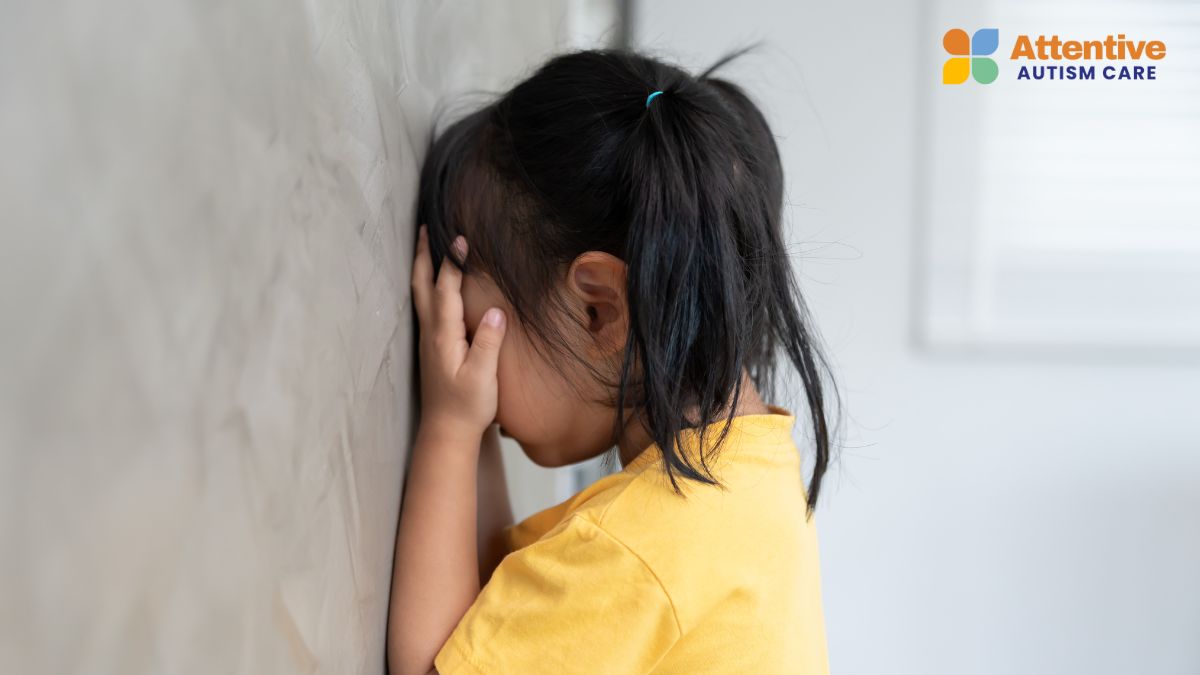
Anxiety autism comorbidity means your child has both autism and meaningful anxiety symptoms at the same time. That mix often looks different from anxiety in children who are not autistic, which is why it can be easy to miss or misread and why anxiety supports for autistic individuals need to be personalized.
Instead of saying “I feel worried,” a child may:
- Increase stimming or pacing in certain places
- Avoid specific people, tasks, or rooms
- Show more meltdowns around transitions
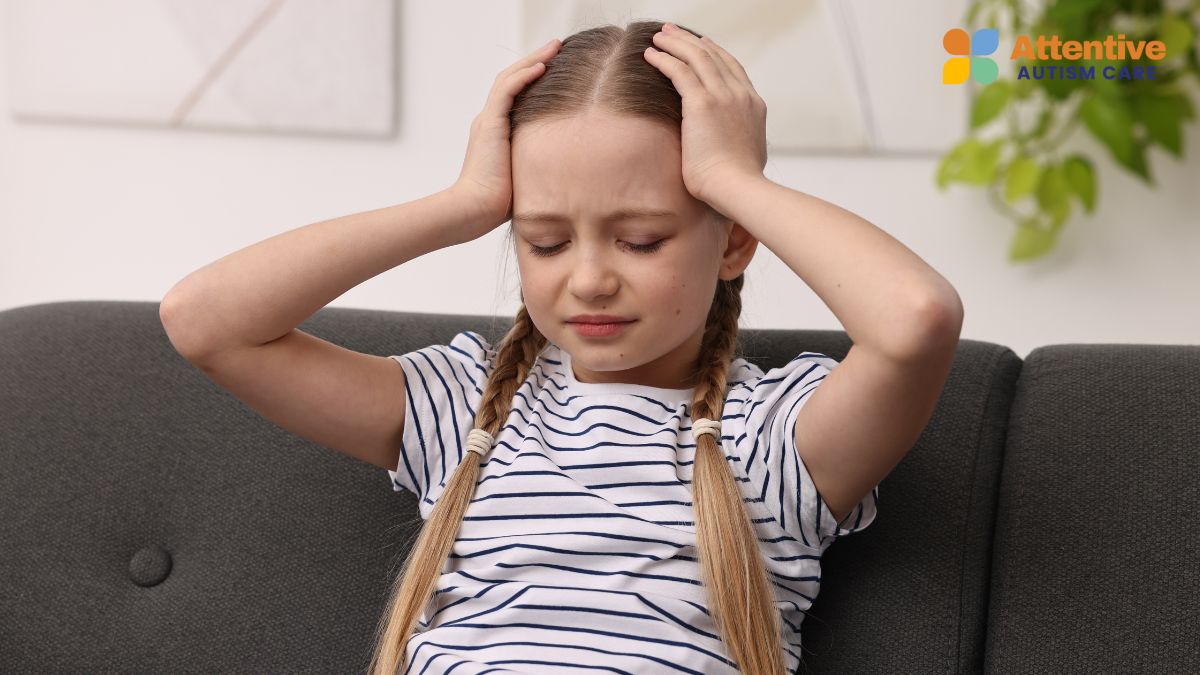
- Complain of headaches or stomach aches with no clear medical cause
One review noted that anxiety is the most common mental health condition alongside autism, with rates several times higher than in non-autistic children. It helps to jot down when you see signs of autism related anxiety. Write what happened right before, what your child did, and how long it lasted.
These notes give you and your child’s care team a clearer picture of where anxiety shows up and how to target it, especially when they are planning ways to address anxiety disorders in autism over time.
2. How Do Routines Ease Autism Related Anxiety?
Unpredictable days can raise anxiety for many autistic children. Changes in who picks them up, what happens after school, or how bedtime goes can feel bigger than they look from the outside.
Simple, steady routines lower stress because they answer three questions for your child:
What is happening? How long will it last? What comes next?
Helpful tools include:
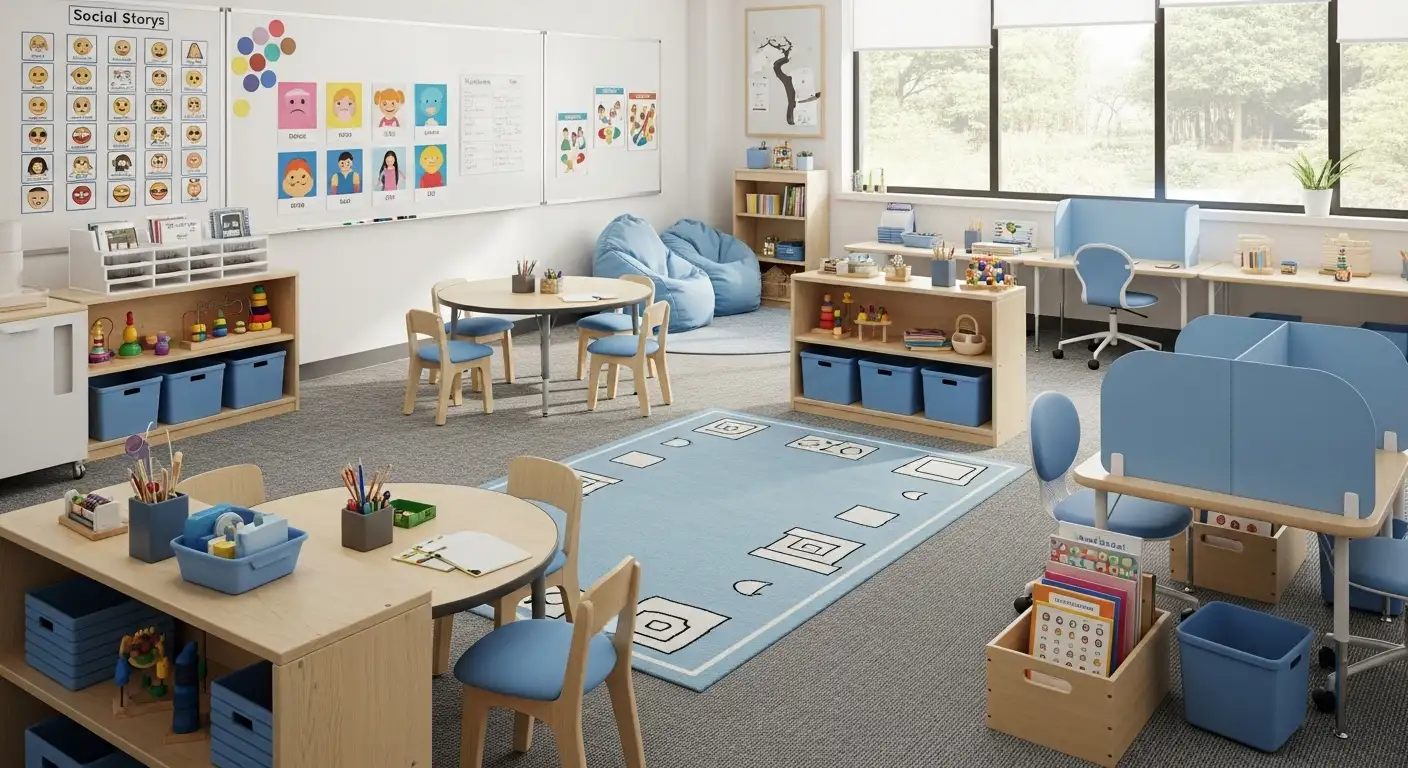
- Visual schedules that show the main parts of the day
- First–then boards for short sequences like “First homework, then play”
- Countdown timers so transitions are less abrupt
Research on children with disabilities shows that visual schedules increase independence and on-task behavior by making expectations clear. Guides for parents also point out that consistent visual supports reduce confusion and help children handle change in smaller, safer steps.
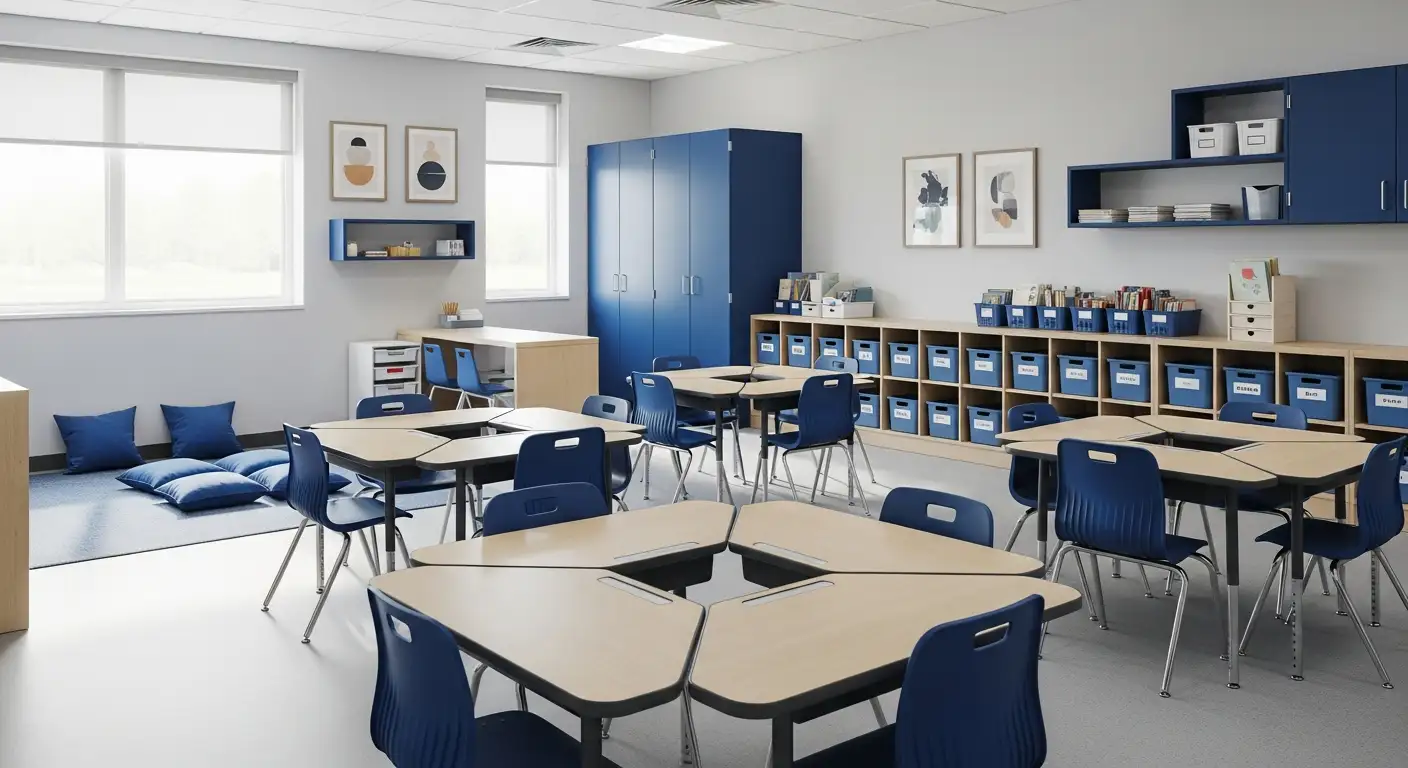
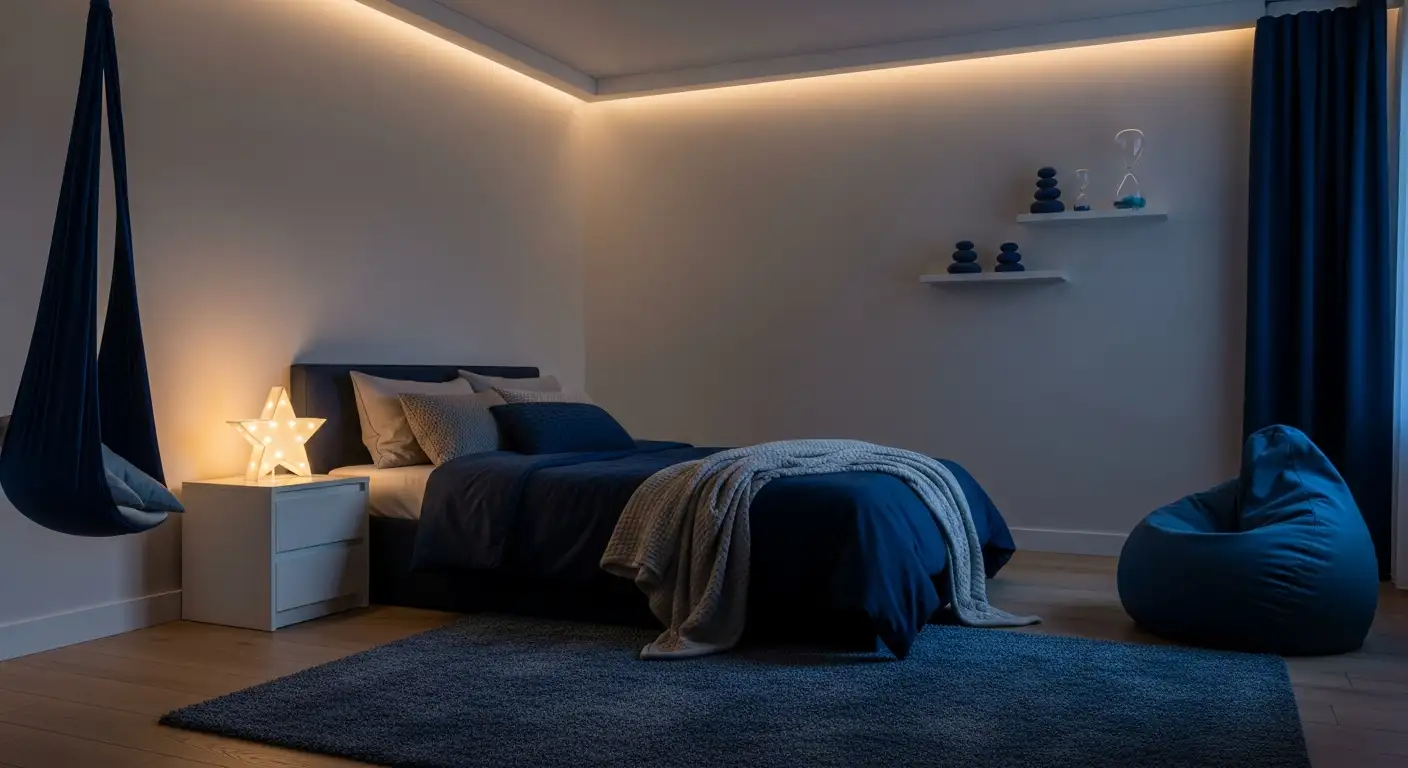
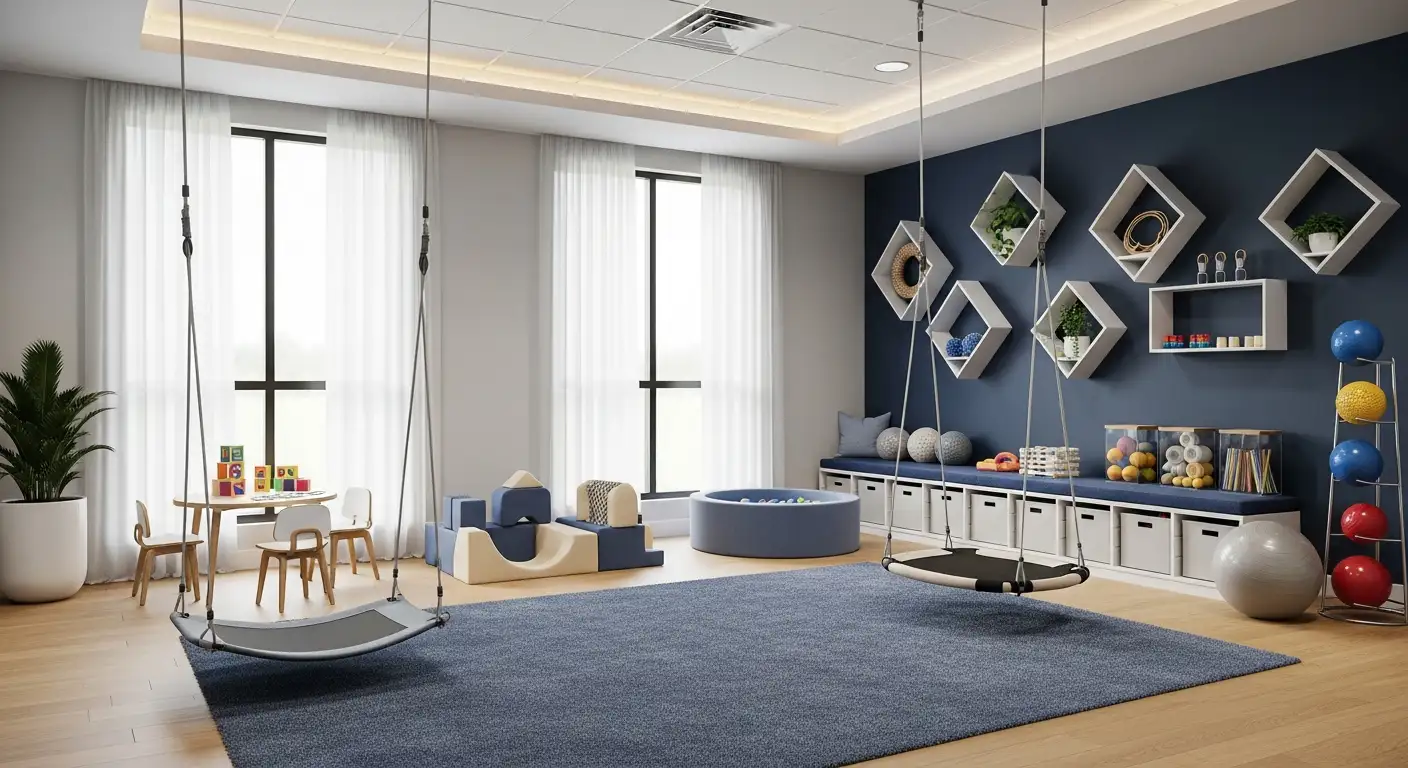
3. Creating Sensory-Friendly Spaces at Home
Many children experience autism related anxiety when sensory input feels “too much” or “too little.” Bright lights, sudden sounds, crowded rooms, or itchy clothes can all push the nervous system into overload.
Sensory processing guides describe how some children react strongly to noises, lights, and textures, while others seek strong movement or pressure. Small adjustments at home can help:
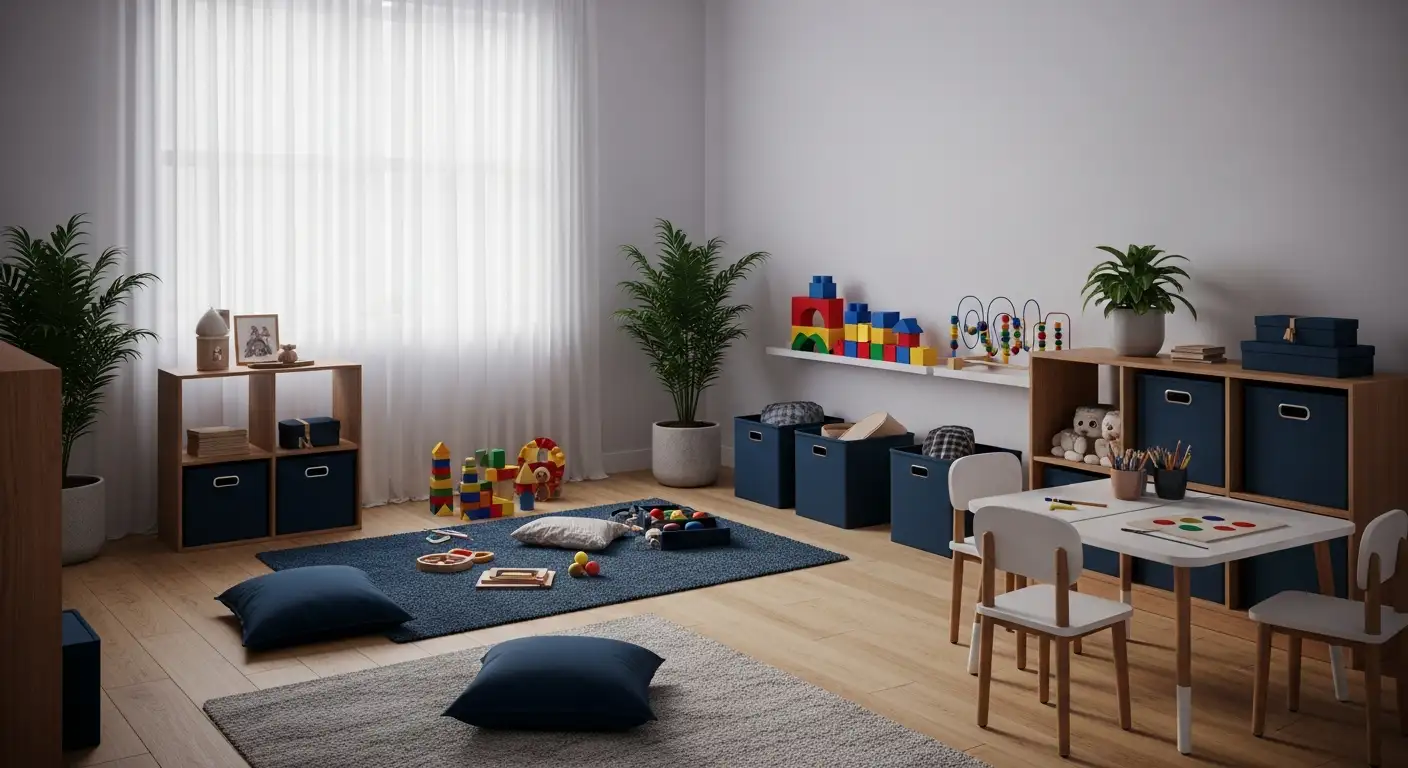
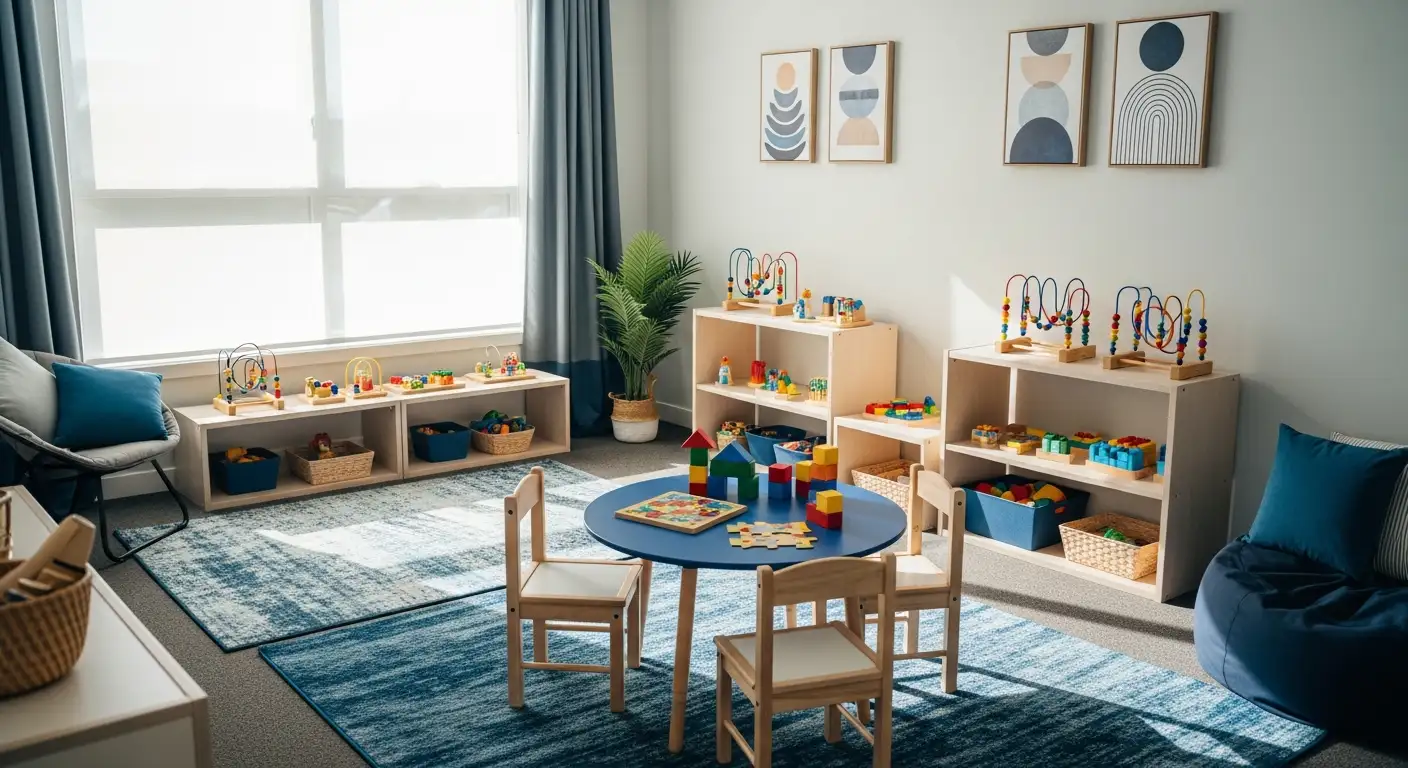
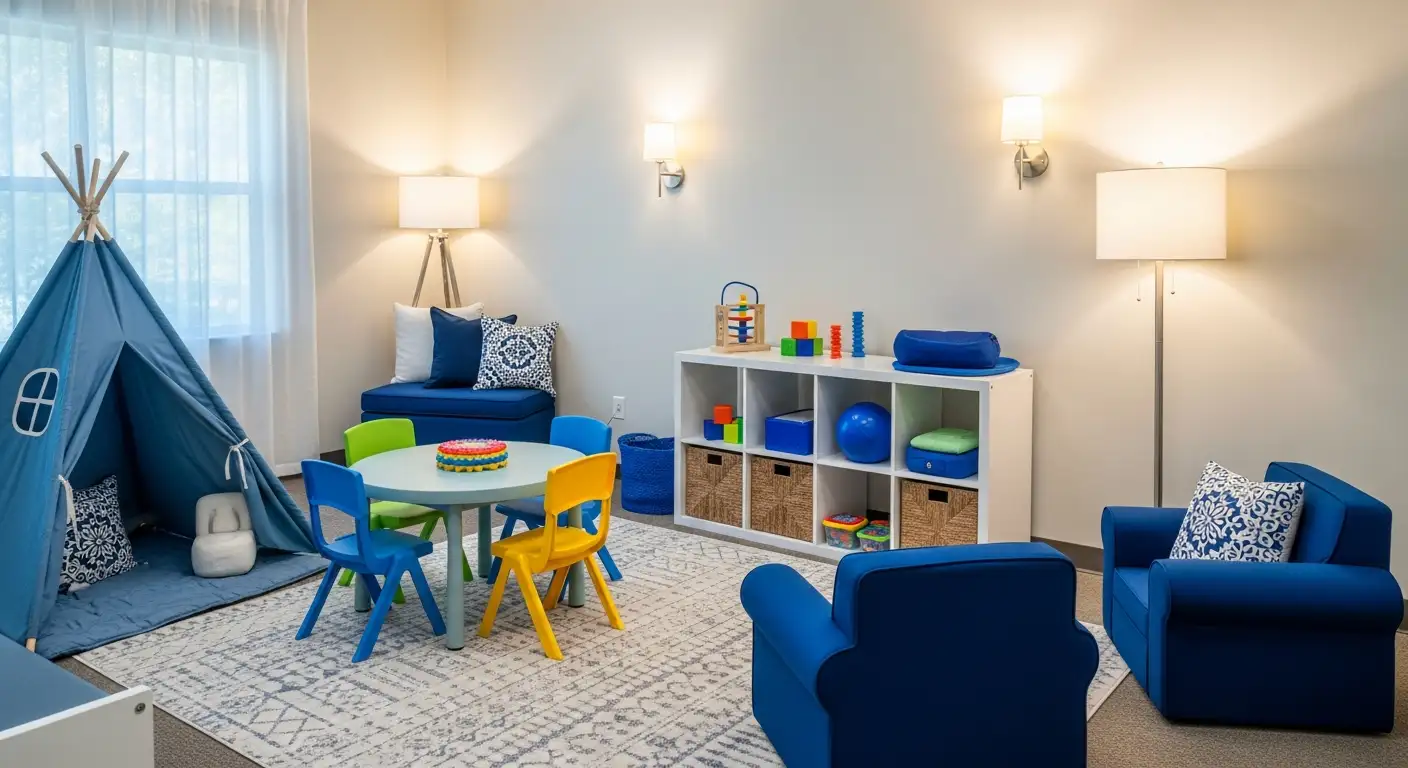
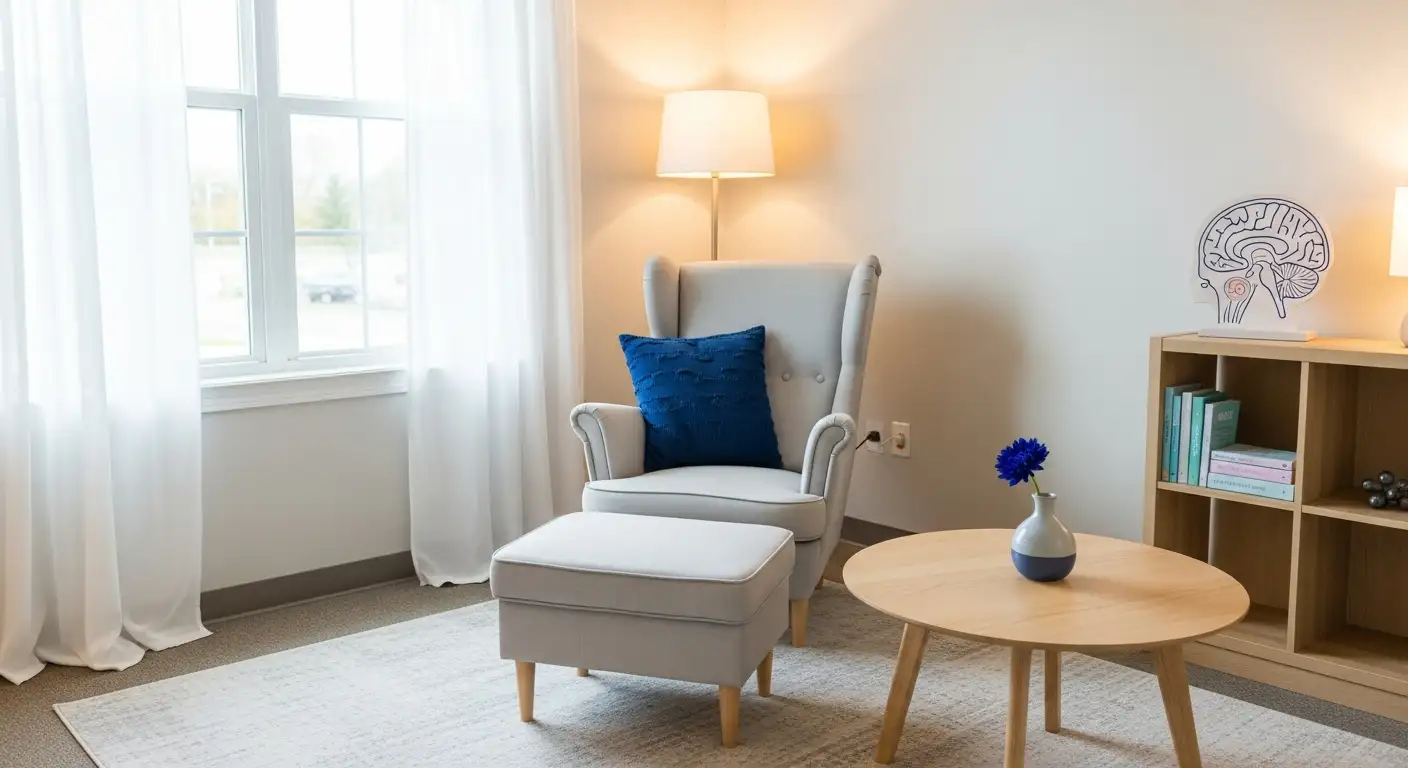
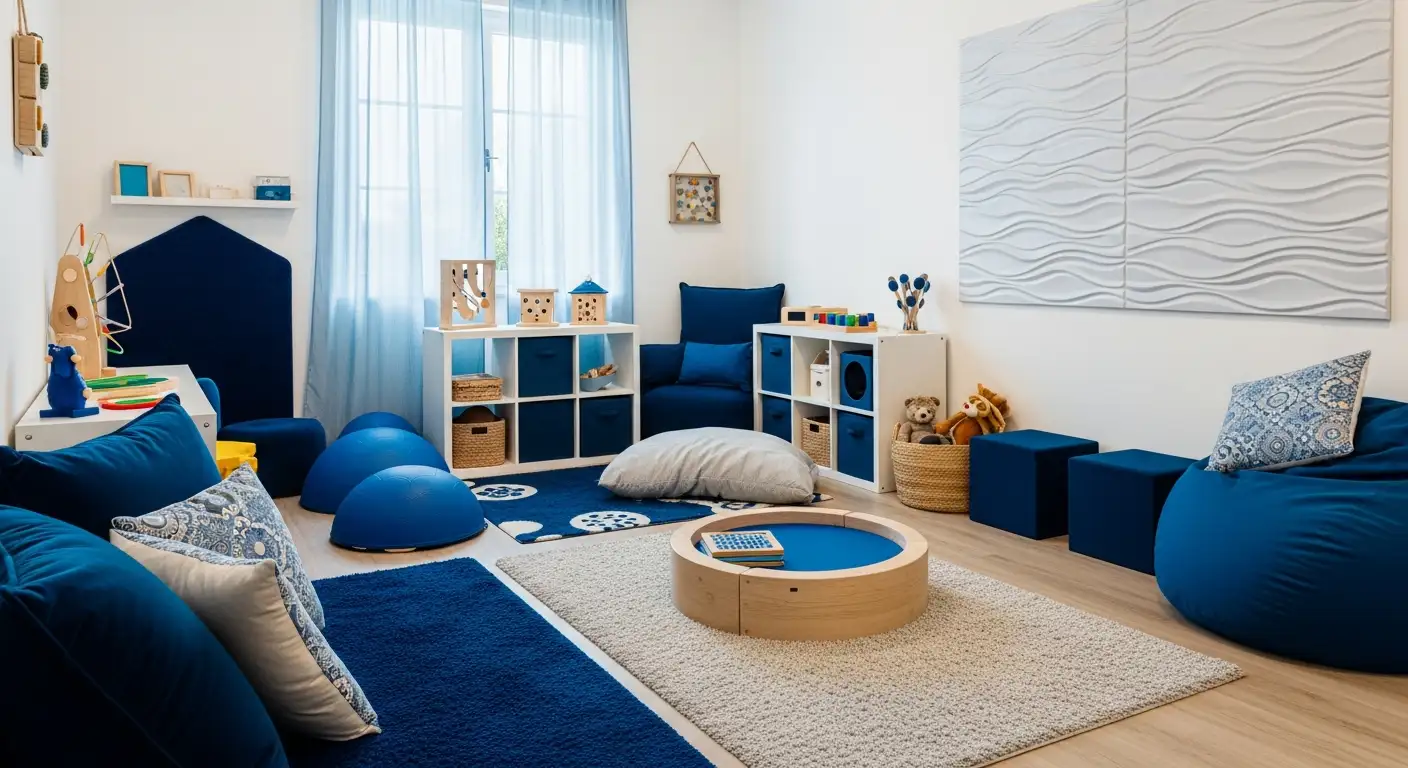
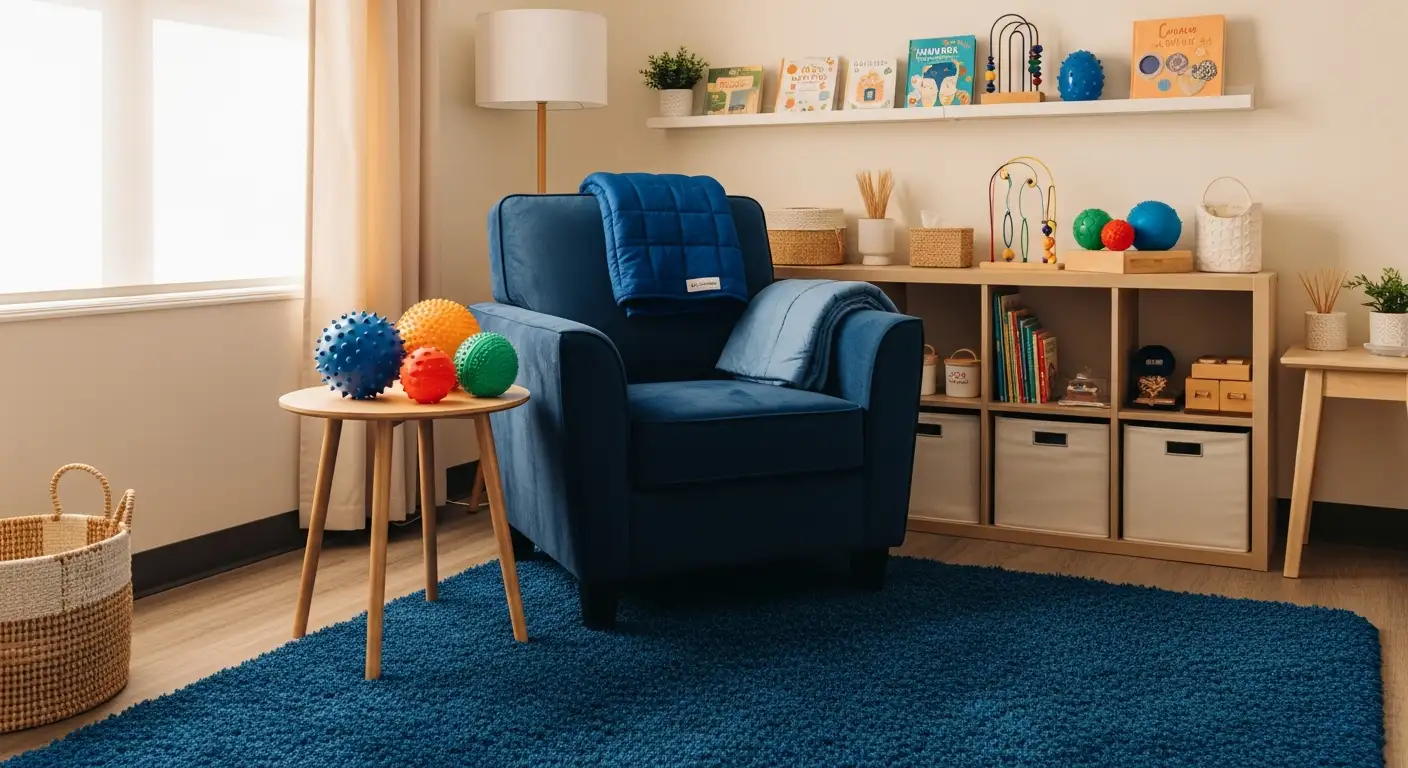
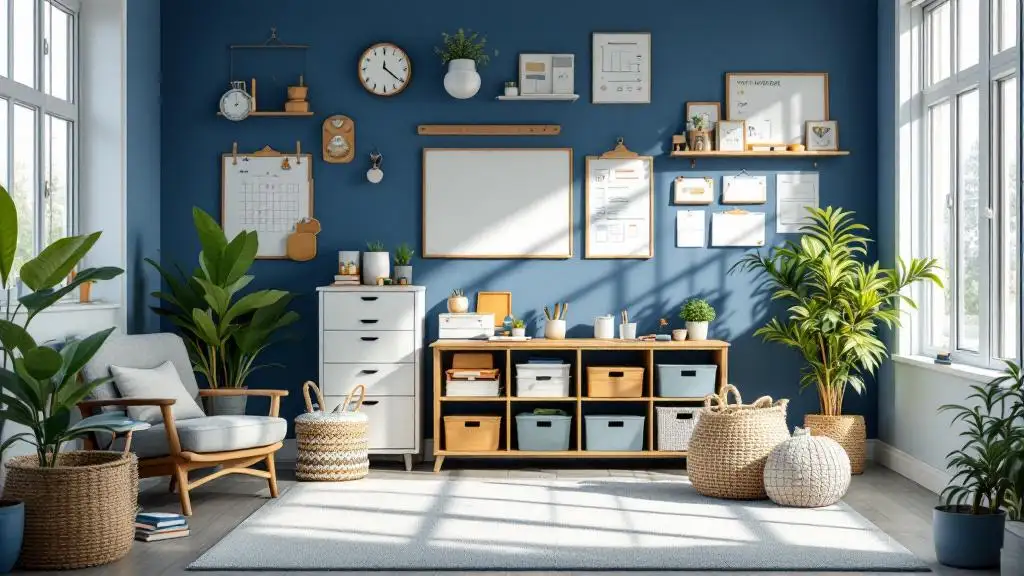
- Set up a calm corner with soft lighting, a favorite blanket, and a few quiet toys
- Keep one room free of loud devices when your child needs a break
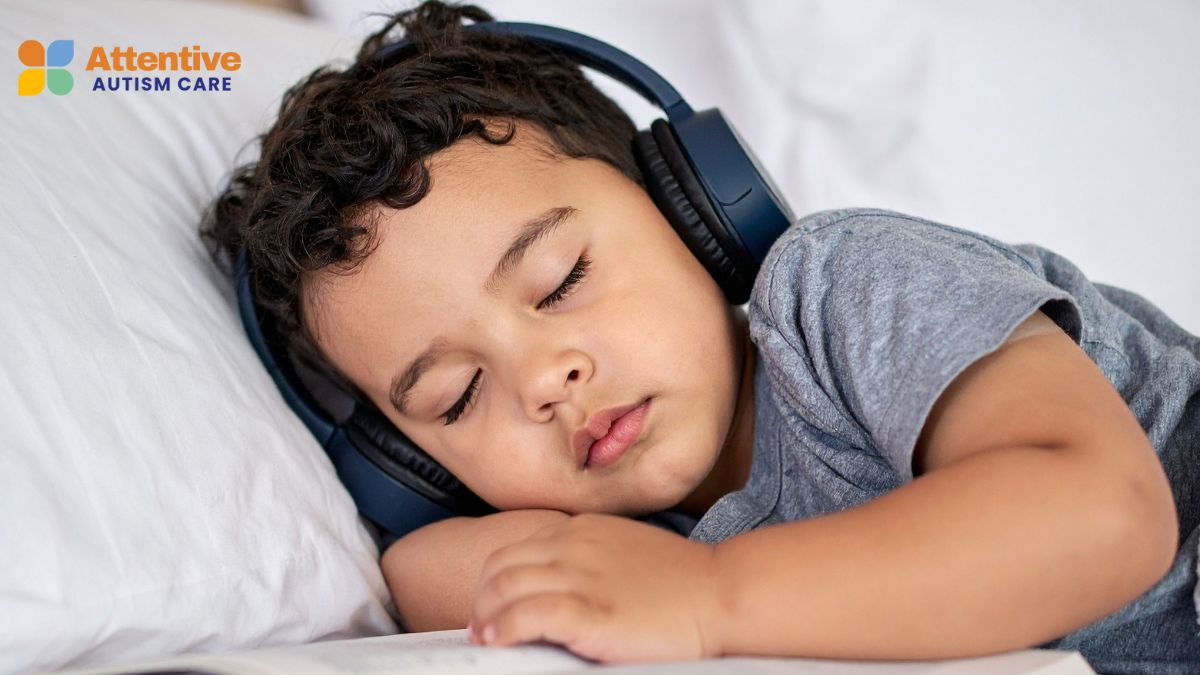
- Offer noise-reducing headphones for chores like vacuuming or during family gatherings, and treat those quiet moments as sensory breaks that give your child space to reset
You do not have to change your whole house. Start by noticing where your child seems most tense, then test one change at a time. When you see them settle more quickly, keep that change and build from there.
4. Teaching Coping Skills for Treating Anxiety Autism
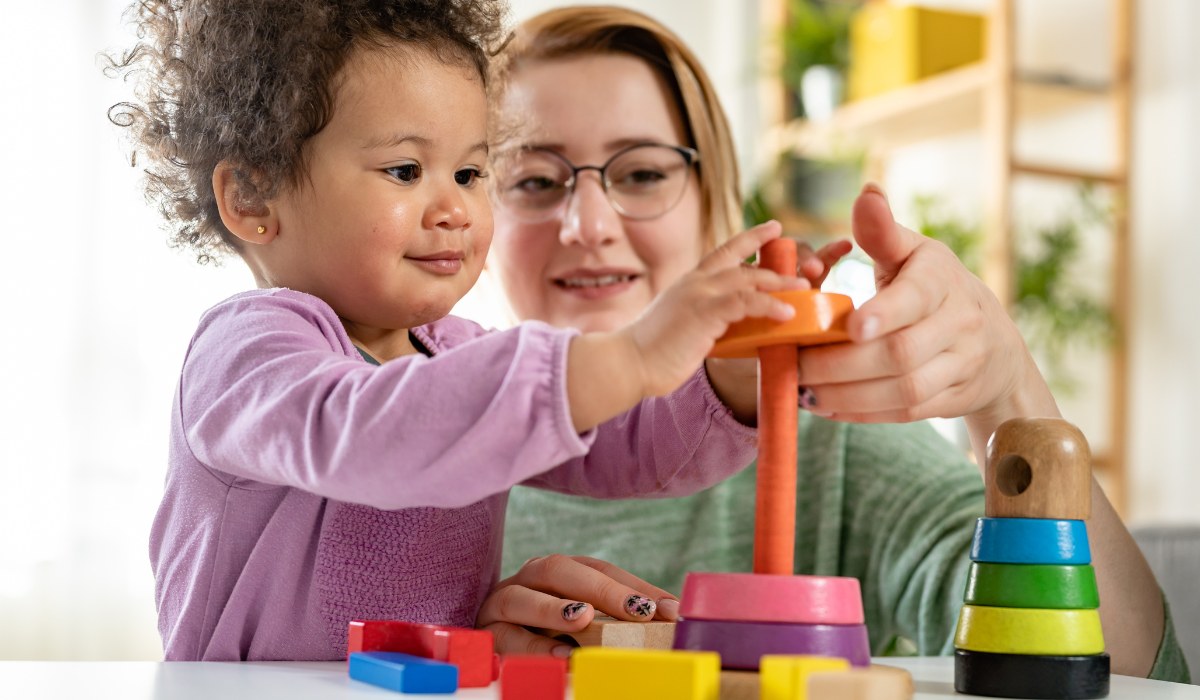
Treating anxiety autism includes giving children simple tools they can use when worry starts to rise. These skills work best when they are taught during calm moments, then practiced in short, frequent bursts.
Useful coping tools include:
- A clear way to ask for a break, like a word, sign, or card
- Short breathing games, such as breathing in while tracing up a finger and out while tracing down
- A small set of “safe activities” that help reset, like looking at a book, squeezing a stress ball, or rocking in a chair
Recent work on measuring anxiety in autistic children shows that many have high levels of anxiety symptoms even when adults are not fully aware of them. That makes proactive skill-building important, rather than waiting for big outbursts.
Keep instructions brief and concrete. Praise your child for every attempt, even if the skill is not used perfectly. Over time, you will likely notice they reach for these tools earlier in the chain, before anxiety explodes. This is especially true when you pair each attempt with positive reinforcement to encourage autism skills at home and in the community.
5. Using Gentle Exposure to Worry Triggers
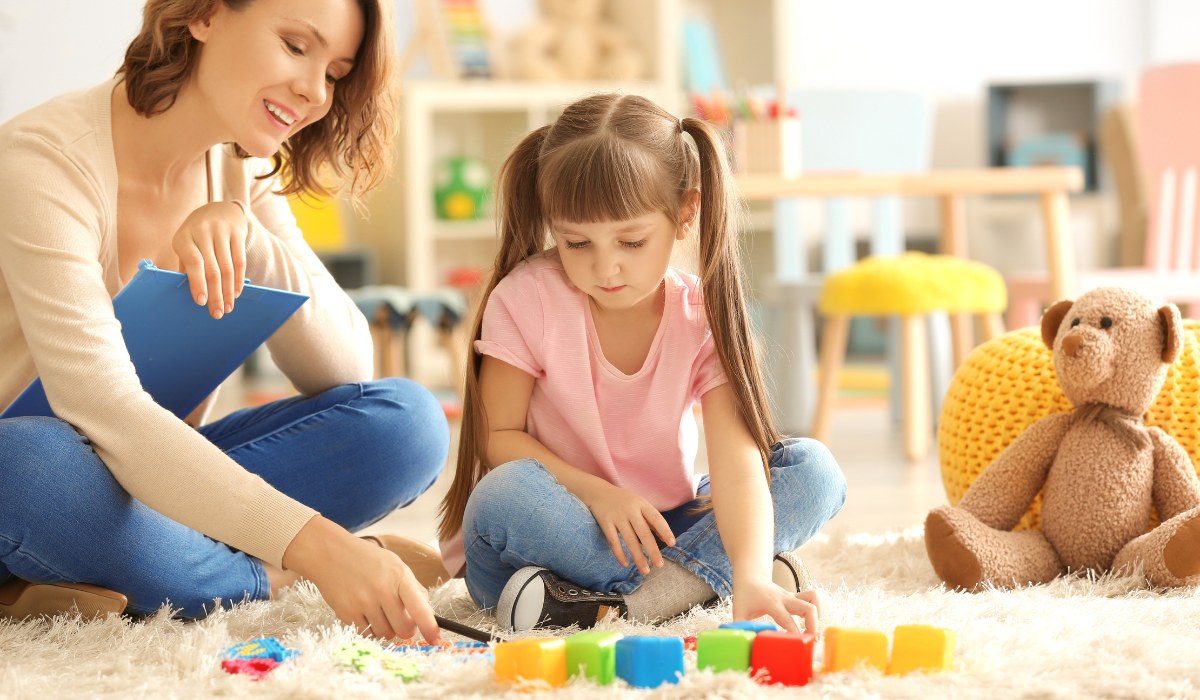
Avoiding anxiety triggers feels easier in the short term, but it can shrink your child’s world over time. A more helpful approach is gentle exposure: taking very small, planned steps toward what feels scary, while your child uses their coping skills based on applied behavior analysis to manage autism symptoms one step at a time.
For example, if riding the school bus is hard, you might:
- Look at pictures of the bus together and talk about each part
- Walk to the parked bus after school when it is quiet
- Sit in the bus for a few minutes with a favorite toy
- Build up to short rides at less busy times if your district allows it
Researchers looking at anxiety disorders in autistic children emphasize that firm but gradual support tends to work better than forcing full exposure too fast. Each step should feel challenging but doable, and not overwhelming.
Let your child help decide the step order when possible. Offer lots of praise and small rewards for effort, not just for “success.” If you see anxiety spiking, pause and go back to an easier step for a while.
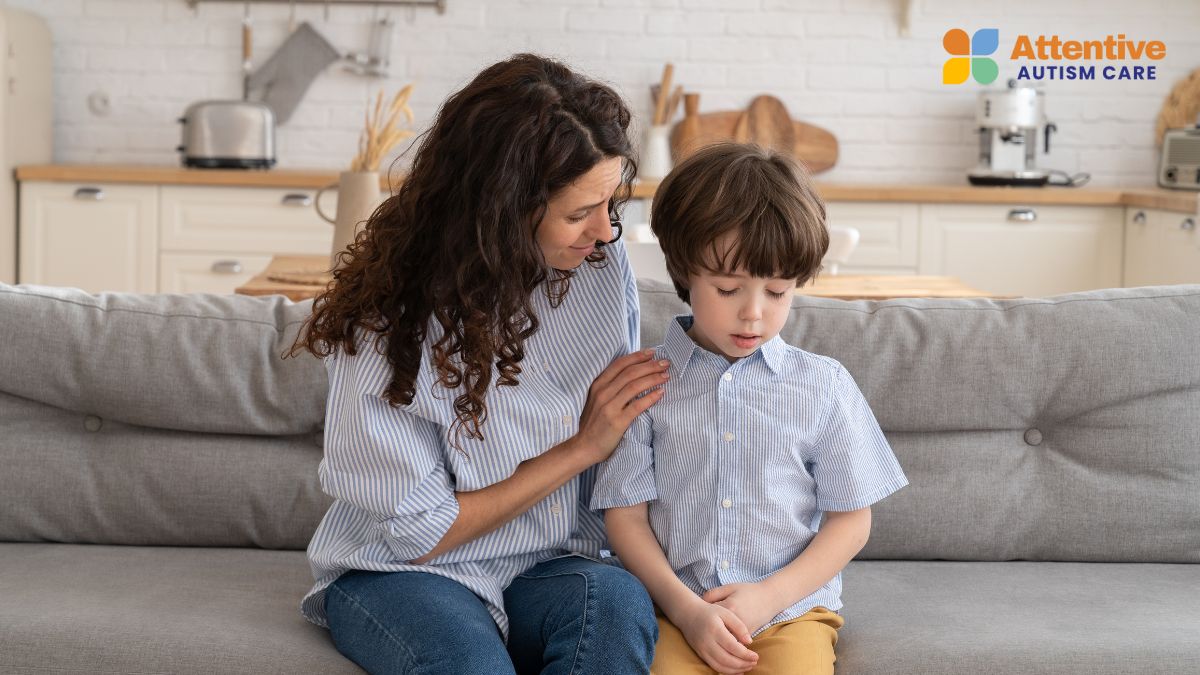
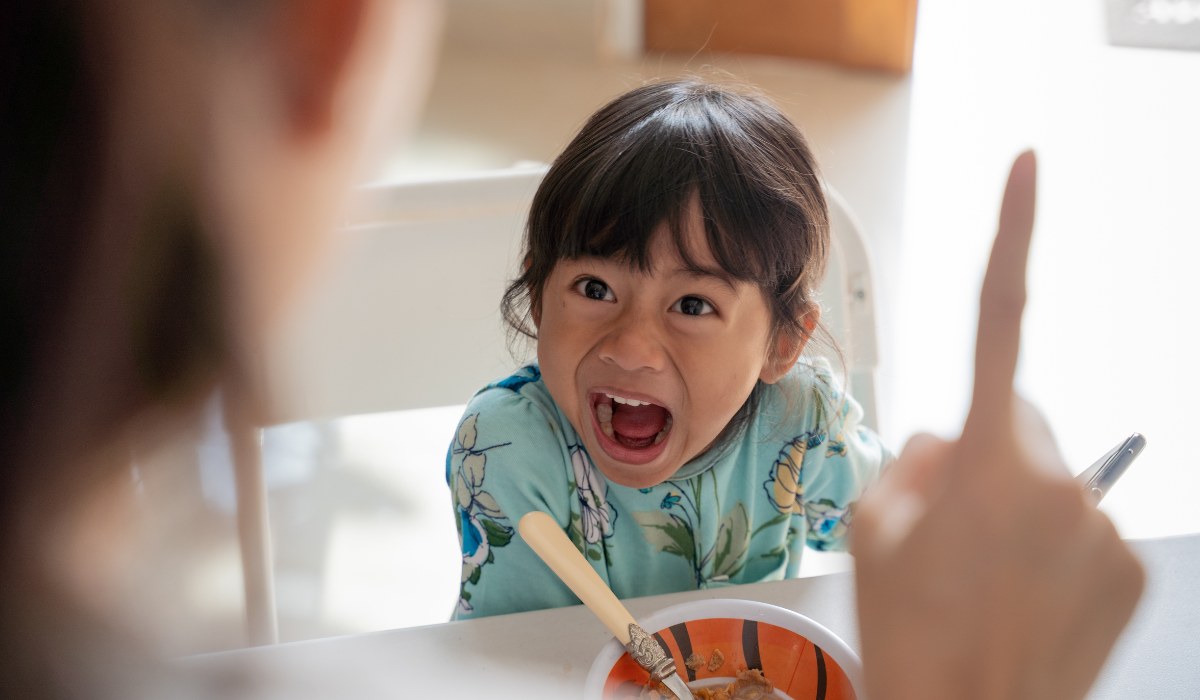
6. Responding to Anxiety Behaviors as a Parent
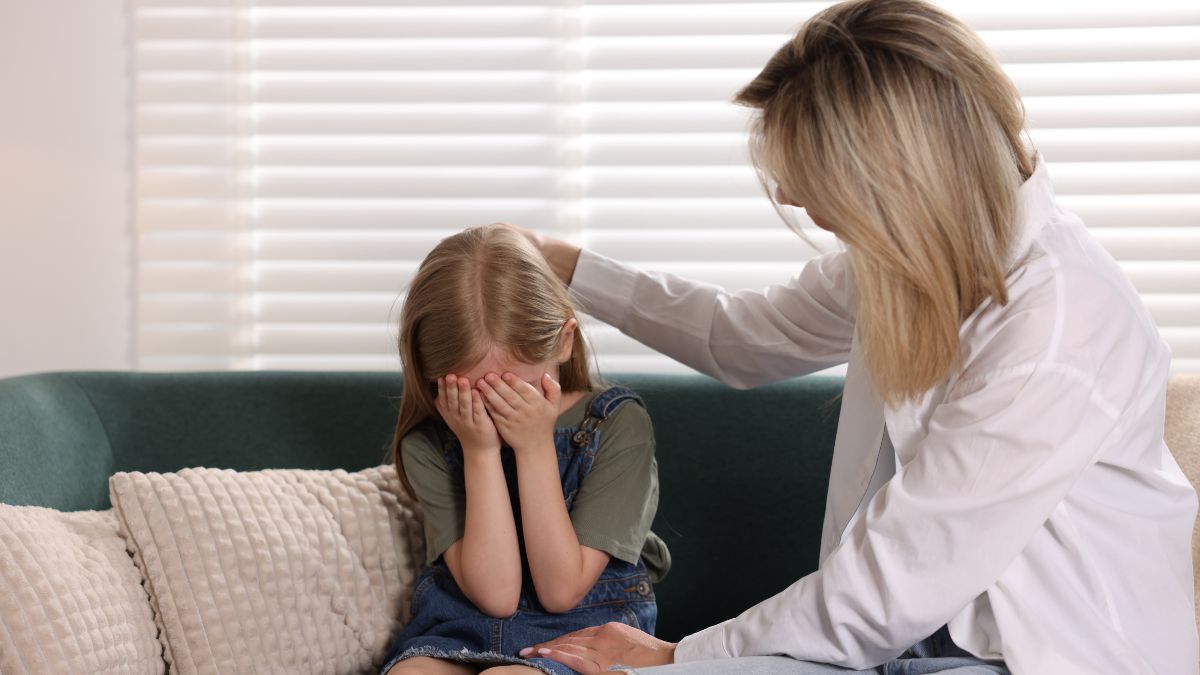
How adults respond to anxiety behaviors can either calm them or accidentally keep them going.
It is natural to comfort or rescue quickly, but when that always removes the scary situation, anxiety can grow stronger in the long run.
Helpful responses include:
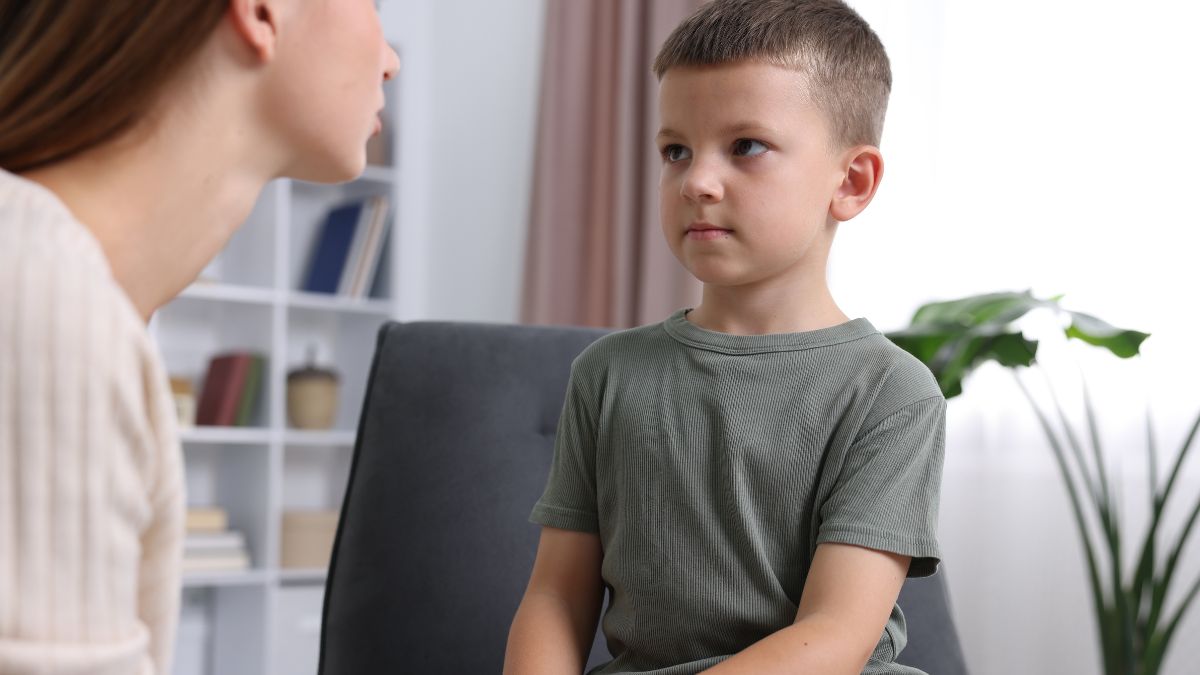
- Naming what you see: “Your hands are tight. It looks like you feel worried about homework.”
- Prompting coping skills: “Let’s take three balloon breaths, then look at the first problem together.”
- Praising bravery: “You were nervous, and you still got on the swing for two pushes.”
Work on keeping your tone calm and steady, even when behavior feels intense. If a situation feels unsafe, your first priority is always safety. After everyone is calm, you can look back at what happened and plan a different response for next time, using parent-led ABA therapy at home to keep the new plan simple and consistent.
7. Tracking Patterns and Updating the Plan
Anxiety is not static. Family routines change, school expectations rise, and new worries show up at different ages. Tracking patterns over time helps you adjust your plan instead of feeling like you are starting from zero each time.
You might keep a simple log that notes:
- When anxiety behaviors happen
- What was happening right before
- How you responded
- Which strategies helped and which did not
Recent research on young autistic children found that about 30% of preschoolers already showed significant anxiety symptoms, especially around uncertainty. Share your notes with your child’s therapists and doctors so ABA assessments can focus on the situations that strain your child the most.
Together, you can decide which goals to focus on first and which home strategies to adjust. Small updates every few months often work better than waiting for a full crisis.
FAQs About Treating Anxiety Autism
How common is anxiety in autistic children?
Anxiety is very common in autistic children. Around 40% meet criteria for at least one anxiety disorder, and many more experience symptoms that disrupt daily life without a formal diagnosis. Rates are significantly higher than in non-autistic children.
Can anxiety symptoms change as my autistic child grows?
Yes, anxiety symptoms can change as your autistic child grows. Younger children may fear separation or noise, while older children often worry about friendships or school. As demands shift, reviewing anxiety at each stage helps identify new challenges and adjust support.
Do autistic children with anxiety always need medication?
No, autistic children with anxiety do not always need medication. Behavioral strategies, caregiver training, and environmental supports are often effective. Medication may help if symptoms are severe or unresponsive to therapy. A pediatrician or child psychiatrist familiar with autism can guide the decision.
Get Support Treating Anxiety Autism in Everyday Life
Anxiety can touch almost every part of life for autistic children, from school mornings to bedtime routines. When you understand anxiety autism comorbidity, build predictable days, adjust sensory input, and respond in calmer, more consistent ways, daily life often starts to feel lighter for your child and for you.
ABA therapy services in Utah, Colorado, North Carolina, Maryland, New Mexico, and Nebraska can provide families with structured support using the same seven strategies, drawing on real moments at home as the teaching ground.
At Attentive Autism Care, the focus is on building practical skills, coaching parents, and tracking progress so families can see which supports are working and where to adjust next.
If you are ready to move from confusion to having a clear plan for autism related anxiety, reach out to us. A short conversation can be the first step toward quieter mornings, easier transitions, and a child who feels more secure in their own day.






































































Attentive Autism Care delivers compassionate, home-based ABA therapy, offering personalized support to help children with autism thrive and achieve their best.
