

4 Functions of Behavior in ABA Therapy Explained
Explore the four functions of behavior in ABA therapy and how understanding them helps parents address challenging behaviors.

Key Points:
- Every behavior has a purpose, and identifying its function is essential to effective ABA therapy.
- Understanding the four functions of behavior helps parents address challenging behaviors with targeted strategies.
- Using ABA therapy strategies to address behaviors empowers children to learn new skills, improve communication, and engage socially.
When your child exhibits challenging behaviors—like tantrums, aggression, or repetitive actions—it can feel overwhelming. Often, parents wonder why these behaviors happen and how to respond in a way that encourages positive change. This is where Applied Behavior Analysis (ABA) therapy can make a big difference. One core principle of ABA is that all behavior serves a function: understanding that function is the first step toward helping children replace problematic behaviors with more effective skills.
By identifying why a child engages in a behavior, parents and therapists can implement interventions that are not only effective but also compassionate and individualized.
What are the Four Functions of Behavior?
In ABA therapy, behavior is not random. Each action communicates something about a child’s needs or responses to the environment. BCBAs categorize these behaviors into four main functions:
- Attention
- Escape / Avoidance
- Access to Tangibles / Items
- Sensory / Automatic Reinforcement
Recognizing which function is driving a behavior helps therapists and parents intervene appropriately. Let’s break each one down and explore practical examples.
1. Attention: Behaviors Driven by Social Interaction
Some behaviors occur because the child wants attention. This doesn’t just mean negative attention—it could also be positive reinforcement such as praise, a hug, or even eye contact.
Examples of attention-seeking behaviors include:
- Tantrums when a parent is on the phone.
- Calling out repeatedly during class.
- Engaging in silly or disruptive actions to make peers laugh.
Why It Matters
When a child learns that a specific behavior reliably gains attention, it reinforces that behavior. In ABA therapy, we address attention-driven behaviors by teaching alternative ways to request interaction—like raising a hand, using a communication device, or verbally asking for a hug.
Parent Tip: Reward the child when they use the appropriate behavior to get attention. Consistency is key. Over time, the child learns that social skills work better than disruptive behaviors.

2. Escape / Avoidance: Behaviors to Get Out of Tasks
Many challenging behaviors occur because a child wants to avoid an activity or demand. This is called escape-motivated behavior.
Common examples include:
- Refusing to complete homework or chores.
- Running away from a task or setting.
- Tantrums or aggression when asked to do something difficult.
How ABA Therapy Helps
ABA interventions for escape-motivated behaviors often involve breaking tasks into smaller, manageable steps or teaching coping strategies. Therapists might also use reinforcement to encourage task completion, gradually reducing avoidance behaviors.
Parent Tip: Instead of forcing the entire task, divide it into short segments. Celebrate successes along the way and model calm responses when avoidance behaviors occur. This not only reduces frustration but also teaches resilience.
3. Access to Tangibles / Items: Behaviors to Obtain Something
Sometimes behaviors happen because a child wants a specific item or activity—like a toy, snack, or electronic device. This function is called “tangible access.”
Examples of tangible-driven behaviors:
- Screaming for a favorite toy.
- Throwing objects when denied a snack.
- Reaching or grabbing items repeatedly without asking.
Strategies That Work
ABA therapy addresses tangible-driven behaviors by teaching children to make requests appropriately. Using tools like the Picture Exchange Communication System (PECS), simple verbal cues, or gestures can replace frustration-driven behaviors.
Parent Tip: Encourage your child to ask for items politely or use a visual aid. Reinforce attempts immediately so they associate asking correctly with receiving what they want. This approach reduces conflict and promotes functional communication.

4. Sensory / Automatic Reinforcement: Behaviors That Feel Good
Not all behaviors are about people or objects. Some are self-stimulating and provide sensory input that the child finds enjoyable. These are called sensory or automatic behaviors.
Examples include:
- Hand flapping or spinning objects.
- Rocking back and forth.
- Making repetitive sounds.
How ABA Supports Sensory Behaviors
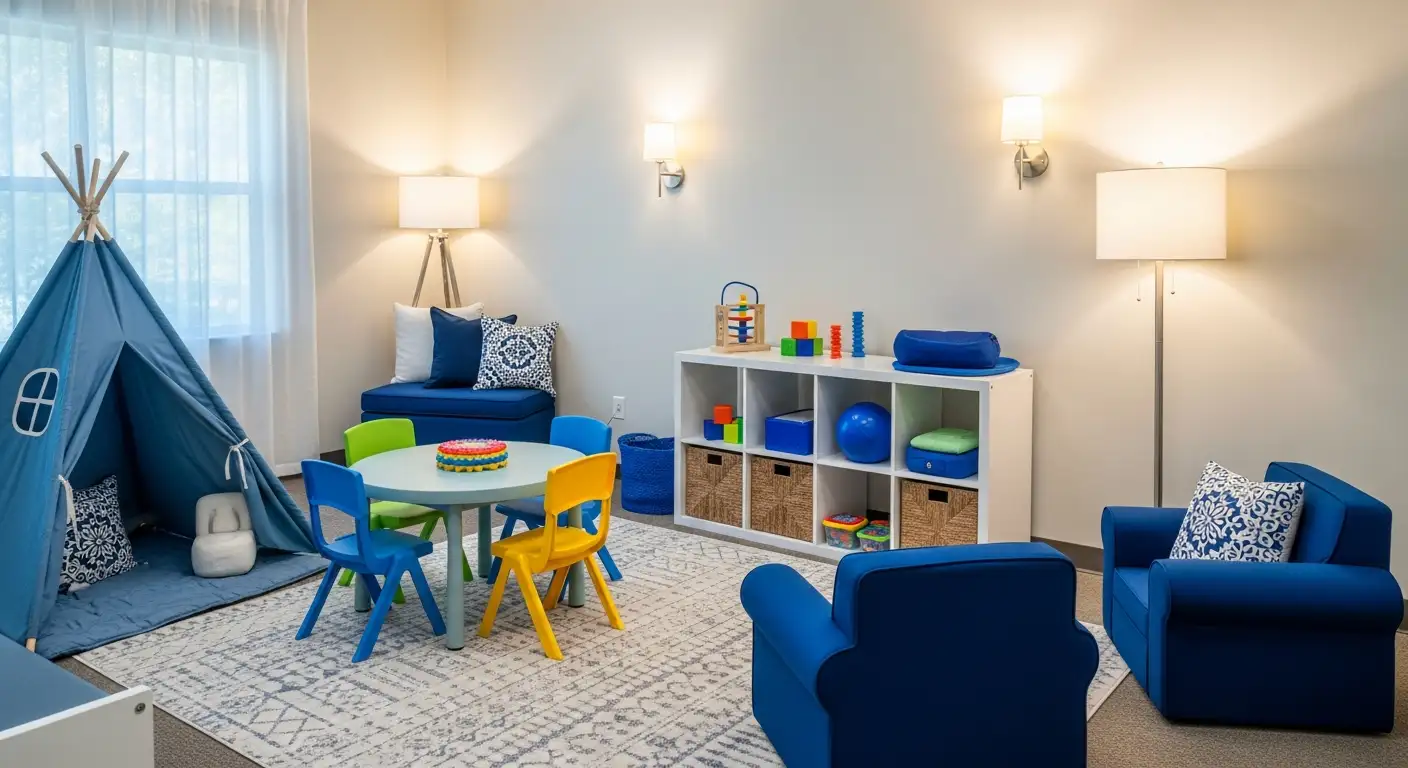
While some sensory behaviors are harmless, they can interfere with learning or safety. ABA therapists help children replace disruptive sensory behaviors with alternatives that provide the same sensory satisfaction without risk. For example, a child who rocks to self-soothe may be taught to use a weighted blanket or a calm-down station.
Parent Tip: Observe when and why sensory behaviors occur. Offer alternative activities that satisfy the sensory need while encouraging engagement in social or learning tasks.
How to Identify Your Child’s Behavior Function
Understanding which function is driving a behavior is not always straightforward. BCBAs use a process called Functional Behavior Assessment (FBA) to identify patterns. Parents can support this process by keeping a behavior journal.
Steps to Identify Functions at Home:
- Track Occurrences – Note what happened before, during, and after the behavior.
- Look for Patterns – Identify triggers, settings, or specific people that might influence the behavior.
- Notice Outcomes – What does the child gain from the behavior? Attention, escape, tangibles, or sensory input?
- Collaborate with Therapists – Share your observations with your ABA team to develop targeted interventions.
Using this structured approach, parents and therapists can pinpoint why a behavior happens and teach replacement behaviors that are functional and socially appropriate.
Practical Tips for Addressing Challenging Behaviors at Home
Once you understand the function, you can implement consistent strategies to help your child develop better coping and communication skills.
Here are some practical strategies parents can use:
- Reinforce Positive Behavior: Reward children when they use functional communication or appropriate actions. For example, if your child asks for a toy politely instead of grabbing it, immediately provide the toy.
- Prevent Triggers When Possible: For escape behaviors, break tasks into smaller, manageable steps or provide visual schedules. Reducing overwhelm can prevent tantrums.
- Teach Alternative Skills: Replace attention-seeking or sensory behaviors with appropriate alternatives. Teach gestures, verbal requests, or safe sensory activities.
- Stay Consistent: Consistency is critical. If behaviors are sometimes reinforced and sometimes ignored, it can confuse the child and prolong the problem.
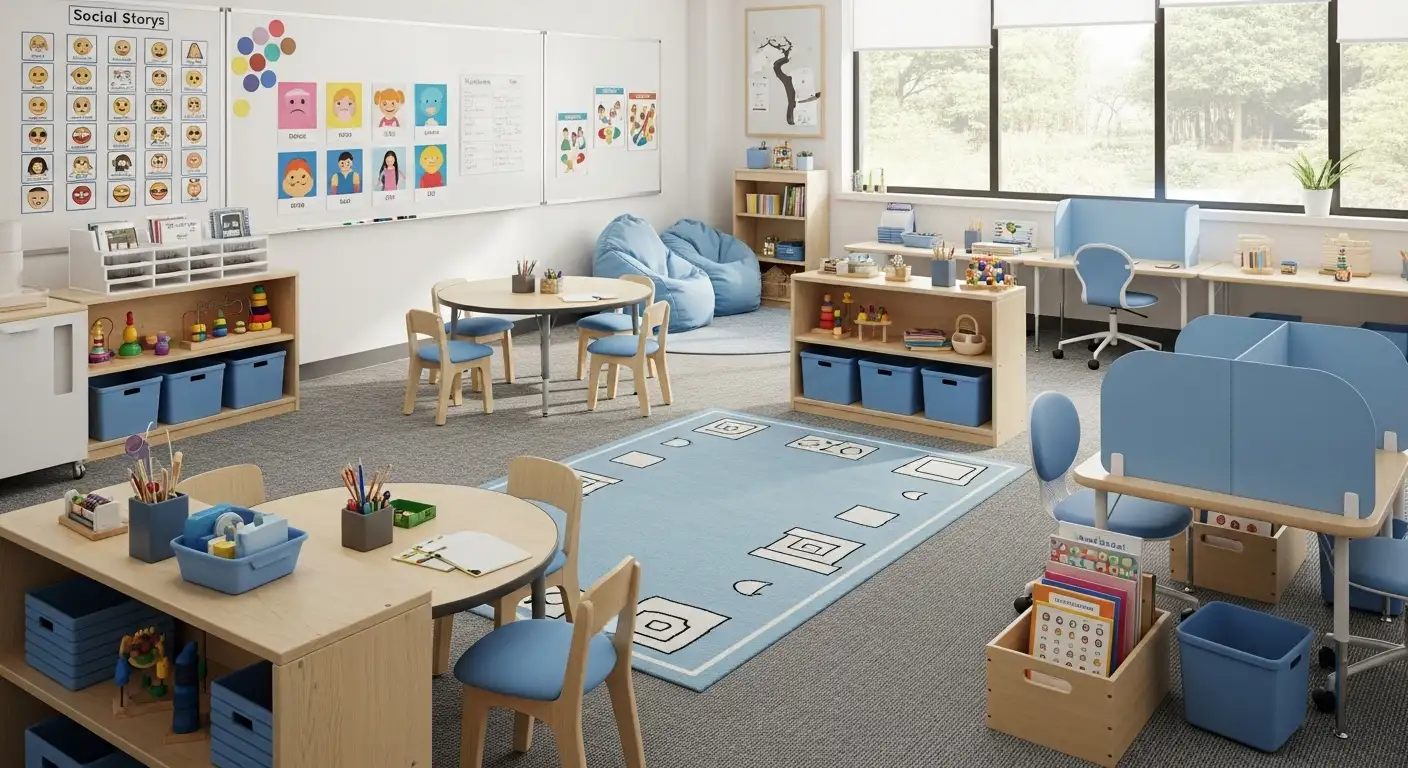
- Use Visual Supports: Visual schedules, cue cards, and social stories help children understand expectations and communicate needs.

The Role of ABA Therapy in Understanding Behavior Functions
ABA therapy is built on understanding why behaviors happen and teaching children more effective ways to meet their needs. Through structured sessions and individualized programs, ABA therapists help children:
- Communicate their needs clearly.
- Reduce frustration and aggression.
- Learn skills that generalize to everyday life.
- Build independence and confidence.
At Attentive Autism Care, ABA therapy programs focus on identifying the function of behavior and creating interventions that match the child’s needs. Parents are an essential part of the process, receiving guidance and support to implement strategies consistently at home.
Conclusion: Turning Behavior Understanding into Action
Recognizing the four functions of behavior—attention, escape, access to tangibles, and sensory stimulation—gives parents and therapists the insight to address challenging behaviors with understanding and care. By observing patterns, collaborating with ABA professionals, and reinforcing functional skills, children can gradually replace challenging behaviors with communication, coping, and social skills that help them thrive every day.
At Attentive Autism Care, we offer personalized ABA therapy in North Carolina, Colorado, Utah, Maryland, New Mexico, and Nebraska, designed to meet the unique needs of each child. Our team partners closely with families, providing structured interventions, functional skill-building, and compassionate guidance. Whether your child needs support with communication, managing frustration, or developing independence, ABA therapy equips them with practical tools for daily life.
Get in touch with us today to explore how our ABA therapy programs can support your child’s growth and help your family navigate challenges with confidence.































































































Attentive Autism Care delivers compassionate, home-based ABA therapy, offering personalized support to help children with autism thrive and achieve their best.
