

How to Develop Play Skills in Children with Autism
Unlocking Potential: Enhancing Play Skills in Children with Autism
Understanding the Importance of Play in Autism
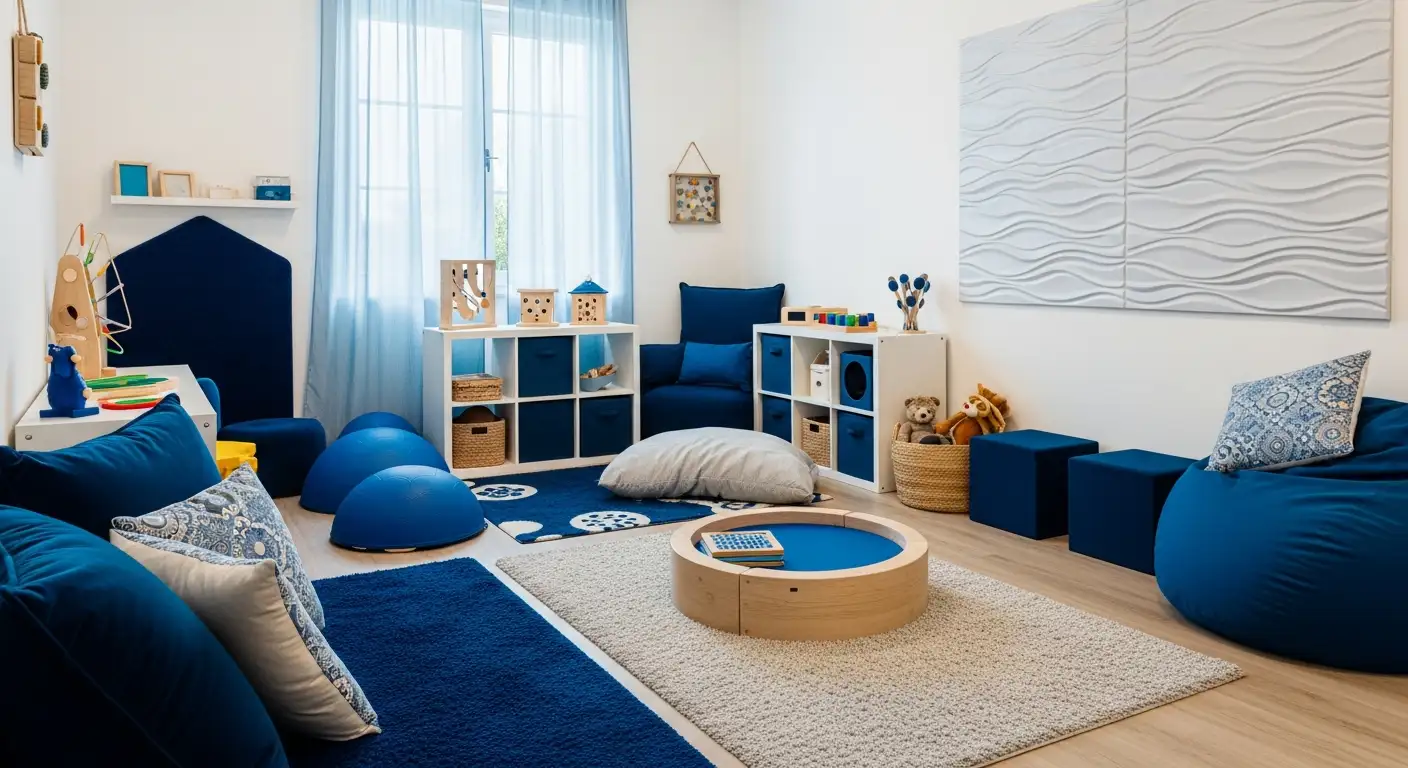
Play is a universal language for children, critical to their social, emotional, and cognitive development. For children with autism spectrum disorder (ASD), play holds a special significance as it offers a unique avenue for expression and learning. This article explores various play-based therapies and techniques that help children with autism develop essential play skills, ultimately enhancing their communication, social interaction, and overall well-being.
The Role of Play Therapy in Autism Development

What is Play Therapy and Why is it Important for Children with Autism?
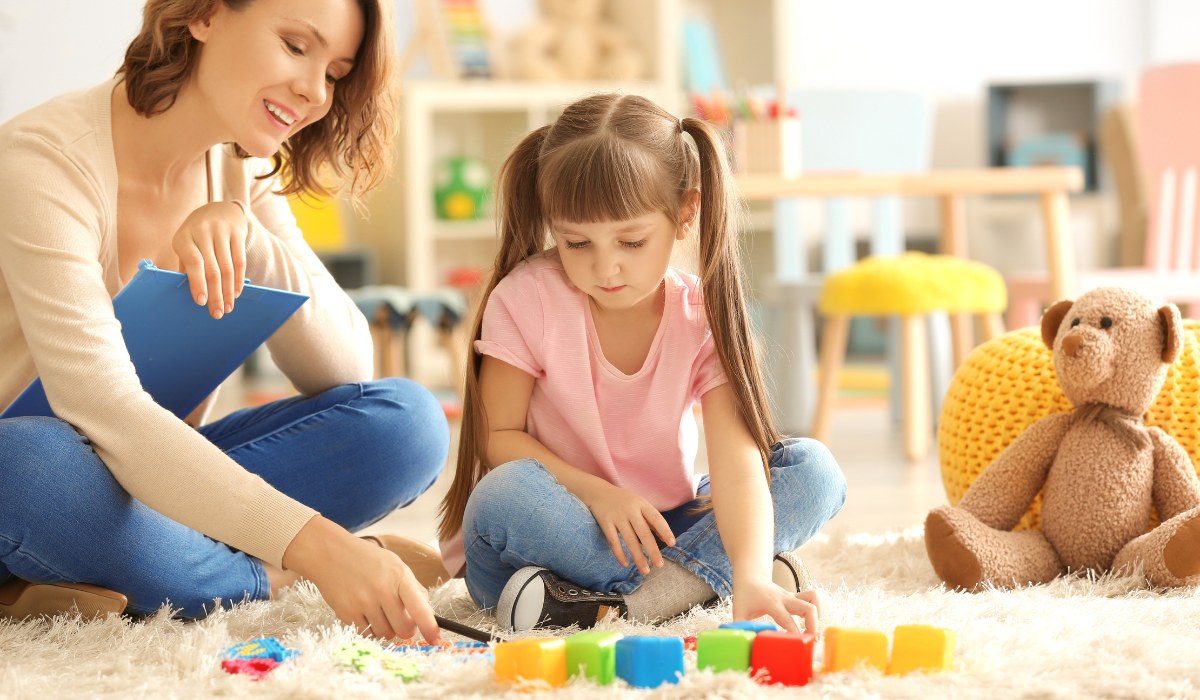
Play therapy is a therapeutic approach that uses play as a means for children with autism to express themselves and work through social and emotional challenges. Unlike traditional behavioral treatments, this child-centered therapy allows kids to use toys or preferred activities as their language. This method recognizes play as a natural vehicle for communication and development, especially important for children on the autism spectrum who often have difficulties with verbal expression and social interaction.
How Does Play Therapy Support Self-Expression and Emotional Growth?
Through play therapy, children with autism engage in activities that mirror their feelings and thoughts, enabling self-expression in a safe environment. Therapists facilitate this process by observing and joining the child’s lead during play sessions, using techniques such as role-playing, storytelling, and sensory activities. These interactions help regulate emotions, improve social skills, and foster empathy. Additionally, play therapy encourages joint attention, a critical skill for meaningful social interaction.
What is the Link Between Play Therapy and Neuroplasticity?
Play therapy actively supports the development of neural circuits and the brain's neuroplasticity—the ability to reorganize and form new connections. Specifically, it enhances brain functions related to sensory processing and executive control, which are often areas of difficulty for autistic children. Incorporating occupational therapy, especially sensory integration therapy, strengthens neuronal connections, promotes emotional well-being, and supports overall functional growth. This blend of play and therapeutic strategies nurtures brain adaptability, facilitating better developmental outcomes.
These benefits make play therapy a vital intervention in addressing the core challenges of autism, improving communication, social skills, sensory integration, and cognitive abilities in a holistic and child-friendly manner.
Types of Play Therapy for Children with Autism
What types of play therapy are used to support children with autism?
There are several specific play therapy approaches tailored to meet the unique needs of children with autism. These include sensory integration therapy, child-centered play therapy, and Floor Time-play therapy.
Sensory integration therapy focuses on helping children process and respond to sensory information better. It often involves occupational therapists who use sensory play activities to enhance neuronal connections and support emotional well-being and functional development.
Child-centered play therapy is a non-directive approach where the child leads the play activities. This method uses the child’s chosen toys and activities as a medium to express feelings, encouraging self-expression and emotional regulation.
Floor Time-play therapy is a child-directed, adult-supported method that emphasizes relationship building through play. The therapist observes, joins, and expands on the child’s play to foster communication and affect development.
What is the difference between structured and unstructured play activities?
Play therapy for autism utilizes both structured and unstructured play to develop various skills.
Structured play activities involve organized tasks or games with clear goals, guided by therapists, that target specific skills such as social interaction or communication.
Unstructured play is child-led without preset rules or goals, encouraging imagination and spontaneous social interaction. This type fosters creativity, emotional expression, and natural learning.
How are these approaches beneficial?
Each type of play therapy contributes uniquely to improving core challenges in autism such as social communication, sensory processing, and emotional regulation. By combining different play therapy types and both structured and unstructured play, therapists create comprehensive and individualized interventions promoting overall development in children with autism.
How Play Therapy Supports Core Challenges of Autism
Improving Social Communication
Play therapy offers a dynamic way for children with autism to build social communication skills. By engaging in child-led and structured play, children practice verbal and nonverbal expressions within a supportive setting. Techniques like role-playing, storytelling, and interactive social play encourage them to express needs and emotions, fostering empathy and relationship-building without the pressure of direct teaching.
Enhancing Sensory Processing
Children with autism often experience differences in sensory processing. Play therapies such as sensory integration therapy use sensory-rich activities to help regulate sensory inputs and improve brain function. Occupational therapists integrate these activities with play to strengthen neuronal connections, supporting better sensory integration and smoother responses to environmental stimuli.
Emotional Regulation Through Play
Emotional regulation is a challenge frequently faced by children on the autism spectrum. Through play that invites creativity, imagination, and role exploration, children learn to identify, express, and manage their feelings. The child-centered approach ensures therapy respects the child's pace, making emotional growth more accessible and enjoyable.
Developing Joint Attention and Social Interaction
Joint attention—the ability to focus on a shared object or activity—is essential for social development. Play therapy targets this by creating opportunities for shared experiences using toys or activities chosen by the child. Models like Greenspan’s Floor Time and the Integrated Play Group emphasize natural, child-initiated interactions supported by adults and peers, which significantly enhance joint attention and social engagement.
| Challenge | Play Therapy Approach | Outcome for Child with Autism |
|---|---|---|
| Social Communication | Role-playing, storytelling, interactive play | Improved verbal/nonverbal skills, empathy, and relationship building |
| Sensory Processing | Sensory integration activities, occupational therapy | Enhanced sensory regulation and neuronal connectivity |
| Emotional Regulation | Creative, imaginative, and child-led play | Better identification and management of emotions |
| Joint Attention & Social Interaction | Child-chosen shared activities, peer-supported play (IPG, Floor Time) | Increased focus, social engagement, and peer interaction |
Integrated Play Group (IPG) Model: Fostering Social and Symbolic Play
What is the IPG model and how does it support children with autism?
The Integrated Play Group (IPG) model is designed specifically for children with autism aged 3 to 11, focusing on enhancing social and symbolic play skills. The approach creates supportive, inclusive environments where children with autism engage in play alongside trained guides and expert peer models. This setup promotes natural, child-led interactions that encourage social participation and imaginative play.
How does IPG promote peer interaction and guided participation?
IPG relies heavily on guided participation through peers and adults who facilitate play without direct teaching, allowing children with autism to learn social and symbolic skills indirectly. The presence of expert peers helps model appropriate play behaviors, fostering the development of joint attention and sustained social engagement within a relaxed and supportive setting.
What research exists on the effects of the IPG model?
Research by Wolfberg and Schuler found that participation in IPG led to increased frequency of functional and symbolic play as well as enhanced social interaction in children with autism. These improvements were observed not only during the sessions but also generalized to other settings. However, the small sample size of the study suggests findings should be interpreted cautiously pending further validation.
What are the benefits and limitations of IPG?
Among the benefits, IPG encourages natural social learning, improves symbolic play, and bolsters social communication by leveraging peer-guided play dynamics. On the downside, the model requires trained guides, expert peers, and controlled environments, making it logistically demanding. Additionally, while promising, long-term effects and broad generalizability need more robust research.
| Aspect | Description | Notes |
|---|---|---|
| Age range | 3 to 11 years | Focus on early to middle childhood |
| Key components | Peer interaction, guided participation, child-led play | Encourages natural, indirect learning |
| Research findings | Increased functional, symbolic play, and social interactions | Limited by small sample size |
| Advantages | Supports social skills, peer learning, symbolic play | Emphasizes child participation |
| Challenges | Requires trained guides, expert peers, specific settings | Logistically demanding |
Greenspan's Floor Time Model: Child-Directed Interactive Play
What is Greenspan's Floor Time approach?
Floor Time is a child-directed, adult-supported intervention designed to improve social and emotional development in children with autism. The approach emphasizes building relationships and affect through play. Instead of direct teaching, adults follow the child's interests and engage interactively, fostering communication and emotional connection.
What are the five steps of the Floor Time process?
The Floor Time model involves a five-step process:
- Observe: Adults carefully watch the child's behavior and play patterns to understand their interests and needs.
- Join: The adult enters the child’s play environment, connecting on the child’s terms.
- Follow: Adults follow the child's lead in play, allowing the child to set the pace and focus.
- Expand: During play, adults gently encourage new ideas, emotions, or problem-solving.
- Facilitate new circles of communication: Adults support the child in initiating and responding to social interactions, aiming to build increasingly complex communication patterns.
What outcomes have been observed from Floor Time interventions?
Studies and chart reviews report significant improvements in children who undergo at least two years of Floor Time therapy. Outcomes include enhanced affect, improved social behaviors, greater symbolic play, and cognitive skill development. Remarkably, a notable proportion of children no longer met autism criteria following the intervention, though further independent research is needed to verify these results.
What are the strengths and challenges of the model?
Strengths:
- Promotes natural, child-led interactions facilitating emotional and social growth.
- Encourages individualized development at the child's pace.
- Supports the building of complex communication skills without direct instruction.
Challenges:
- Requires skilled adult guides who can effectively follow and expand on the child's play.
- Limited data on long-term generalization of skills acquired.
- Research is constrained by small sample sizes and methodological limitations, calling for further rigorous studies.
Floor Time remains a promising, relationship-focused therapy that respects the child’s individuality and encourages growth through engagement and shared play.
Techniques and Activities Used in Play-Based Therapy
Role-playing and Pretend Play
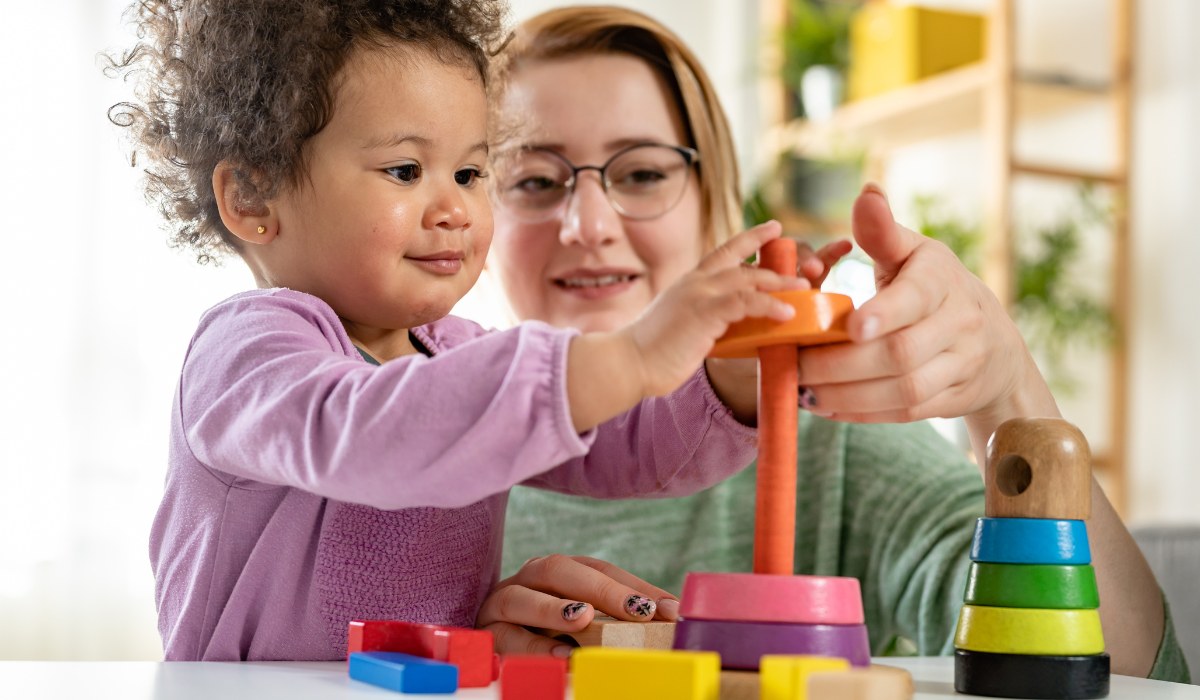
Role-playing games and imaginative play form a core part of play-based therapy for children with autism. These activities encourage symbolic thinking and social interaction, helping children practice communication skills and explore different social roles in a safe, supportive environment. Pretend play also boosts creativity and enhances emotional expression.
Sensory Activities and Sensory Integration
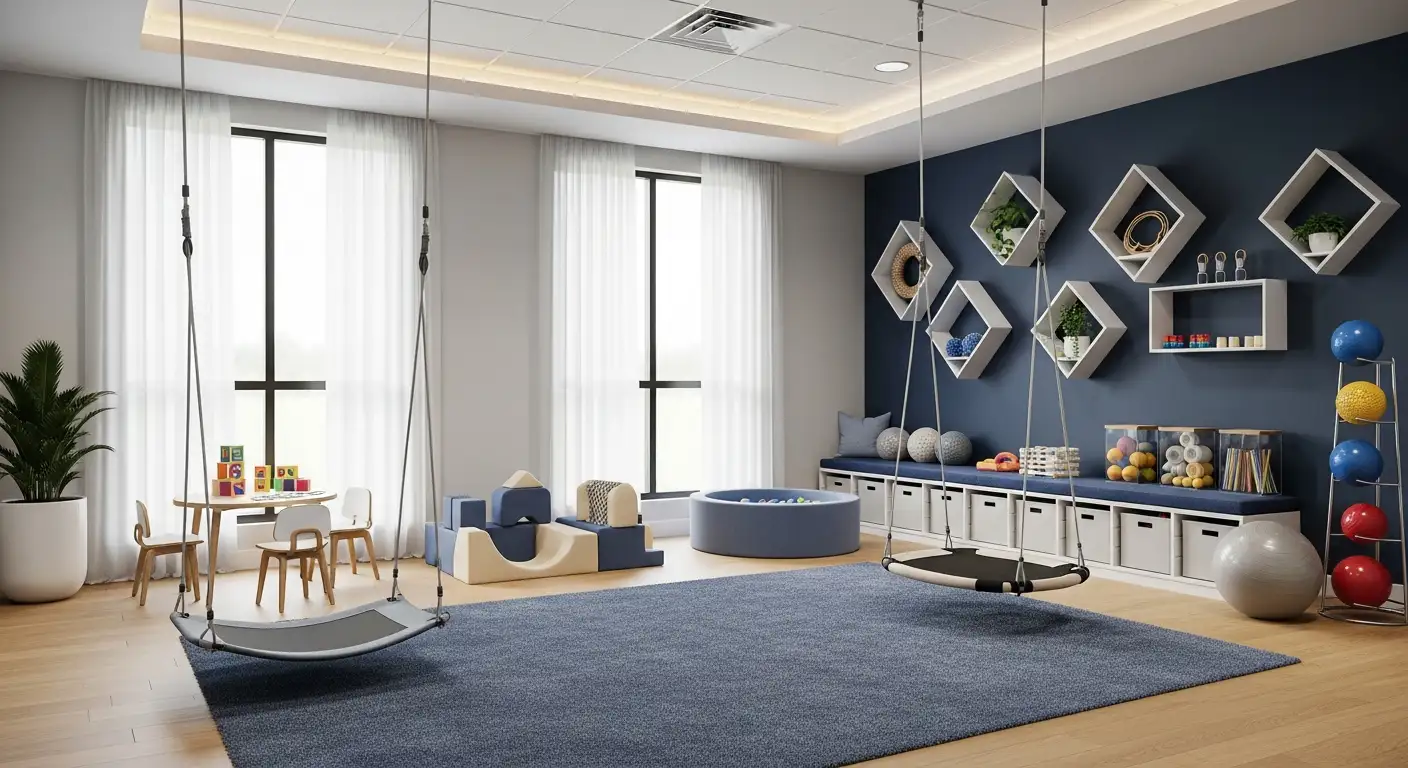
Sensory play is essential for addressing sensory processing challenges common in autism. Through engaging tactile, visual, auditory, and proprioceptive activities, play therapy supports sensory integration, which helps children better regulate their responses to sensory input. Sensory integration therapy paired with occupational therapy enhances neuronal connections and emotional well-being.
Storytelling, Puppetry, Arts and Crafts
Storytelling and puppetry encourage language development and social communication while providing children a way to express feelings and ideas. Arts and crafts enhance fine motor skills and creativity. These structured play activities also foster engagement and build confidence in social settings.
Motor Skill Development and Imaginative Play
Motor skill activities embedded in therapy—such as dance and movement-based play—support coordination, balance, and physical development. Imaginative play complements motor skills by encouraging spontaneous, child-led exploration, aiding neural circuit development and promoting flexible thinking.
Play-Based Communication Exercises
Communication-focused play integrates speech therapy techniques with interactive games and exercises. Play-based communication exercises help improve verbal and nonverbal communication skills, joint attention, and social interaction critical for children with ASD.
These diverse, child-centered activities are tailored to individual needs, fostering learning through engagement and relationship building rather than direct instruction.
| Technique | Purpose | Benefit |
|---|---|---|
| Role-playing & Pretend Play | Social skills and creativity | Enhances symbolic thinking and emotional expression |
| Sensory Activities | Sensory processing and regulation | Improves sensory integration and emotional well-being |
| Storytelling & Puppetry | Language and social communication | Builds communication skills and confidence |
| Arts and Crafts | Fine motor skills and creativity | Supports motor development and self-expression |
| Motor Skill Activities | Coordination and physical development | Encourages balance and neural growth |
| Play-based Communication | Speech and social interaction | Strengthens communication and joint attention |
Integration of Occupational and Speech Therapy with Play Therapy
Collaborative therapeutic approach
Combining occupational, speech, and play therapies offers a comprehensive support system for children with autism. Therapists work together, using play as a medium to address multiple developmental areas such as motor skills, sensory processing, and communication simultaneously. This team approach ensures that interventions are cohesive and tailored to each child’s unique needs.
Benefits of combining occupational therapy, especially sensory integration
Sensory integration therapy, a branch of occupational therapy, complements play therapy by helping children better process sensory information. This integration enhances neuronal connections in the brain, supporting emotional regulation and functional development. Children experience improved sensory processing abilities, which in turn helps reduce behavioral challenges and promotes more typical developmental progress.
Speech therapy’s role in communication development through play
Speech therapists employ play-based methods to encourage both verbal and nonverbal communication. Through imaginative and interactive play, children are motivated to express themselves, practice social language, and develop joint attention skills essential for communication. Play provides a natural and engaging way for speech development, enabling children to use their chosen play activities as words and symbols.
Enhancement of neural connections and emotional well-being
The integration of occupational and speech therapy with play therapy fosters neuroplasticity—the brain’s ability to form and reorganize neural connections. This multidisciplinary approach supports sensory integration, executive functions, and emotional regulation. As a result, children emerge with enhanced social skills, improved emotional well-being, and a stronger foundation for overall growth.
Applied Behavior Analysis (ABA) Therapy and Play: Complementary Approaches
What is Applied Behavior Analysis (ABA) therapy, and how does it help individuals with autism?
Applied Behavior Analysis (ABA) therapy is a scientific approach that focuses on understanding and modifying behavior by examining the interactions between the individual and their environment. For children with autism, ABA aims to teach new skills such as communication, social interaction, daily living activities, and academic skills, while also reducing behaviors that may hinder development or safety.
Based on principles like positive reinforcement and prompt fading, ABA helps children learn through structured and often repetitive practice, leading to meaningful and lasting behavioral improvements. Importantly, ABA therapy is highly individualized, tailoring interventions to each child’s unique needs and abilities to enhance their independence and quality of life.
How does ABA incorporate play-based and structured methods?
ABA therapy integrates both structured and play-based techniques to support learning. While much of ABA involves carefully controlled settings and clear behavioral goals, play-based methods are increasingly used within ABA to create engaging, child-centered learning opportunities. Play acts as a natural context for teaching communication, social skills, and problem-solving, making skill acquisition more enjoyable and relevant for the child.
Therapists design play scenarios or use child-chosen toys and activities as opportunities to reinforce skills such as joint attention, turn-taking, and language use. This blending of structured goals with playful approaches helps children generalize learned skills to everyday situations.
What is the individualized nature of ABA treatment plans?
ABA treatment plans are customized based on detailed assessments of a child's strengths, challenges, and family environment. Goals are specific, measurable, achievable, relevant, and time-bound (SMART) to track progress effectively.
Sessions may vary in length and intensity depending on the child’s developmental level and therapy goals. Family involvement is often a critical component, ensuring consistency and support beyond therapy sessions. Individualization ensures that interventions align with each child's interests, making learning through play a powerful tool within the ABA framework.
What are common ABA techniques used alongside play therapy?
ABA employs several techniques that complement play therapy, including:
- Discrete Trial Training (DTT): Breaking down skills into small steps, often integrated into play activities.
- Natural Environment Teaching (NET): Using play and everyday routines to teach skills naturally.
- Positive Reinforcement: Rewarding desired behaviors frequently during play to encourage repetition.
- Prompting and Fading: Helping the child initiate or complete a behavior during play, with gradual removal of assistance.
- Modeling: Demonstrating social or play behaviors that the child can imitate.
These techniques, when combined with the flexibility and creativity of play therapy, support comprehensive growth in communication, socialization, and adaptive functioning for children with autism.
The Professionals Behind ABA and Play Therapy

Who provides ABA therapy and what qualifications do these professionals typically have?
ABA therapy is delivered by a range of licensed and certified professionals. Leading the design and supervision of treatment plans are Board Certified Behavior Analysts (BCBAs) and Board Certified Behavior Analyst Doctoral-level practitioners (BCBA-Ds). They usually have graduate-level education, complete supervised fieldwork, and maintain ongoing certification to stay current in best practices.
Supporting the implementation of ABA are Board Certified Assistant Behavior Analysts (BCaBAs), who have undergraduate training and have passed specific certification exams. They assist with assessment and intervention under the supervision of BCBAs. Registered Behavior Technicians (RBTs) carry out daily therapy sessions following strict training and a competency exam, always working under direct supervision.
What is the role of licensed play therapists, occupational therapists, and child psychologists in play therapy?
Play therapy, which supports development through child-chosen activities, is provided by licensed play therapists, occupational therapists, and child psychologists. Licensed play therapists are specially trained to facilitate communication and emotional expression through play, while occupational therapists integrate play with sensory and motor development, enhancing neuronal connections and functional skills. Child psychologists also contribute by addressing emotional regulation and social skills through therapeutic play interventions.
What are the training and certification requirements for these therapy professionals?
Professionals offering ABA and play therapy undergo rigorous training and certification. ABA providers must complete accredited coursework, supervised practical hours, and maintain certification through bodies like the Behavior Analyst Certification Board. Licensed play therapists typically hold graduate degrees in counseling or psychology with specialized training in play therapy, certified by organizations such as the Association for Play Therapy. Occupational therapists require a master's or doctoral degree along with state licensure, and child psychologists hold doctoral degrees with clinical licensing.
Why is it important to have qualified professionals ensuring tailored and ethical therapy?
Qualified professionals ensure that therapy is customized to each child's unique needs, promoting ethical practice and effective outcomes. Their expertise allows them to develop individualized plans, monitor progress, and make adjustments grounded in evidence-based methods. Moreover, certified providers uphold standards of confidentiality, consent, and professional boundaries, which is crucial for vulnerable populations like children with autism spectrum disorder. This ensures therapy not only supports skill development but also respects the child's well-being and dignity over the course of treatment.
Tailoring Play and ABA Therapy to Individual Needs
How does ABA therapy tailor its approach to individual needs of people with autism?
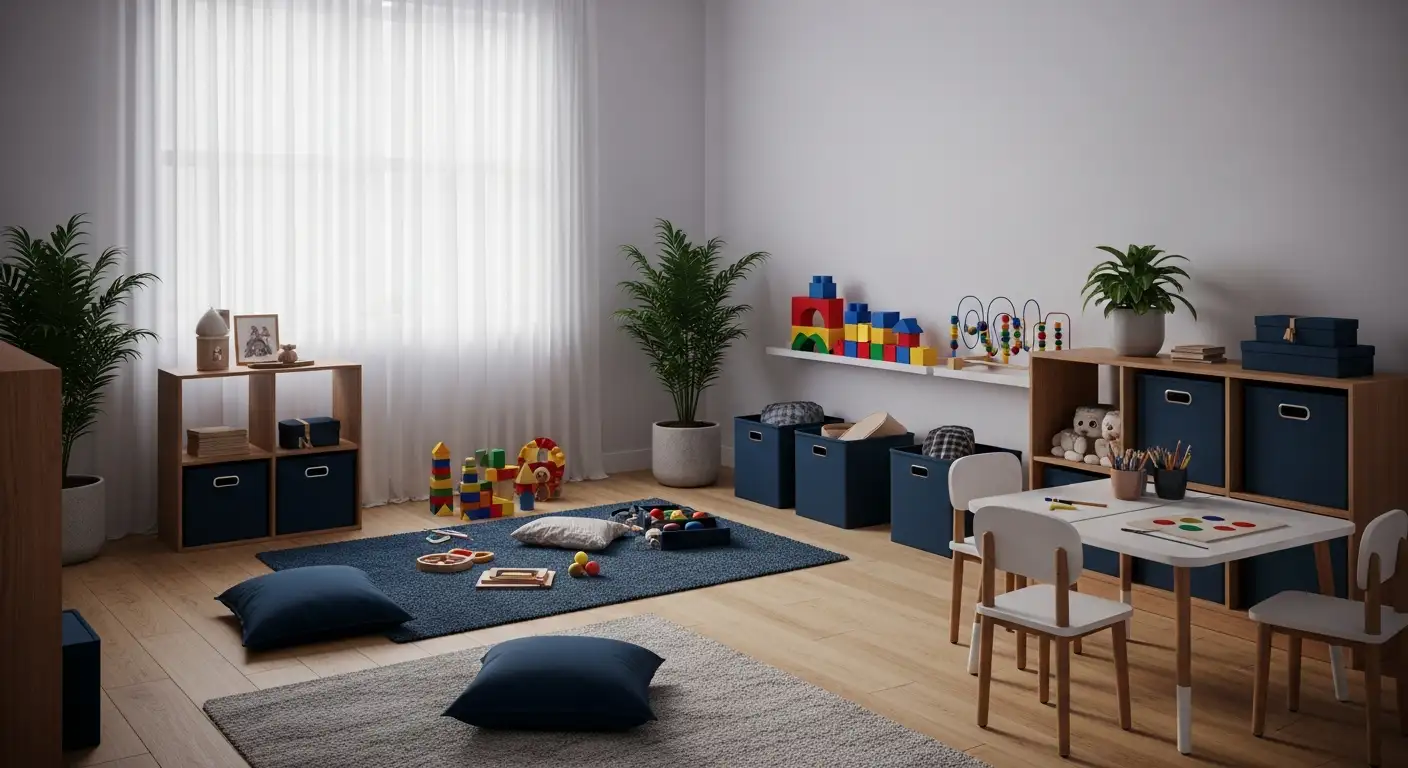
ABA (Applied Behavior Analysis) therapy begins with comprehensive assessments to identify each child's unique strengths, challenges, and specific behavioral goals. These evaluations form the foundation of a personalized treatment plan, which incorporates SMART objectives — goals that are Specific, Measurable, Achievable, Relevant, and Time-bound. By using these clearly defined goals, therapists can systematically track progress and adjust strategies as needed.
Data collection plays a crucial role in monitoring development. Therapists use evidence-based techniques such as positive reinforcement, prompting, and natural environment training tailored to the child's individual profile. This approach ensures interventions remain relevant, targeted, and effective.
Family involvement is fundamental to the success of ABA therapy. Parents and caregivers are trained to implement strategies in home settings, thus promoting consistency and skill generalization across environments. Communication between therapists and families allows for ongoing updates and modifications reflecting the child's developmental progress and evolving preferences.
Lastly, therapy plans are dynamic and adaptable. As children grow and develop new skills, interventions are adjusted to meet their changing needs and interests. This flexibility helps maintain engagement and fosters continuous improvement in social skills, communication, independence, and reduction of challenging behaviors.
Benefits and Critiques of ABA and Play Therapy Approaches

What Are the Benefits of ABA and Play Therapy for Children with Autism?
Both ABA (Applied Behavior Analysis) and play therapy provide notable advantages for children with autism, particularly in communication, social skills, emotional regulation, and motor development.
ABA therapy is well known for its structured approach that promotes independence and reduces harmful behaviors. Modern ABA often incorporates play-based and naturalistic techniques, increasing motivation by aligning therapy with the child's preferences and interests. This child-centered focus helps generalize skills across everyday settings.
Similarly, play therapy uses toys and activities chosen by the child to encourage self-expression and relationship building. It enhances joint attention, sensory processing, creativity, and emotional regulation. Techniques such as role-playing, sensory activities, and imaginative play help develop brain functions including neuroplasticity and executive control.
By integrating occupational, speech, and play therapies, children experience gains in social interaction and cognitive skills while also supporting emotional well-being. Play therapy's emphasis on natural interactions complements ABA's goals by fostering authentic communication and empathy.
What Criticisms Exist Regarding These Therapies?
ABA therapy has faced critique for its intensity and sometimes repetitive nature, with some families feeling it demands too much compliance and suppresses individuality. Critics argue it may negatively impact emotional well-being if not implemented compassionately and that its historical goal of making children appear "neurotypical" can undermine authentic identities.
While play therapy generally has fewer concerns, challenges include the need for trained professionals and structured environments, especially in models like Floor Time and Integrated Play Groups. Additionally, research into long-term outcomes and skill generalization for these approaches is limited, necessitating further studies.
How Does Child-Centered, Play-Based Therapy Enhance Motivation?
Play therapy stands out for respecting the child's pace and interests, using play as a natural means of communication. This approach increases engagement and makes learning enjoyable, thus boosting intrinsic motivation. Adults serve as guides rather than direct instructors, enabling children to explore and develop skills in a supportive setting.
How Should Therapy Balance Effectiveness with Respect for Neurodiversity?
Both ABA and play therapy must prioritize the child's well-being and respect for neurodiversity. Therapies that emphasize individualized, compassionate practices can improve essential skills without compromising authenticity. Encouraging self-expression and emotional regulation alongside social functioning fosters a balanced developmental path.
| Therapy Approach | Benefits | Criticisms | Implementation Notes |
|---|---|---|---|
| ABA | Improves communication, social skills, behavior | Intensity can impact emotional health | Best with individualized, compassionate care |
| Play Therapy | Supports self-expression, sensory, emotional growth | Needs trained professionals, limited long-term data | Child-led with adult guidance |
| Integrated Models (IPG, Floor Time) | Enhance social and symbolic play, relationships | Resource-intensive, limited generalization data | Emphasis on natural interactions |
Harnessing Play to Empower Children with Autism
Developing play skills in children with autism is a multifaceted process that benefits immensely from the integration of various play-based therapies and approaches like ABA. Tailored strategies, qualified professionals, and engaging activities that respect each child's unique profile are crucial for meaningful progress. While challenges and criticisms exist, evidence indicates that play therapy and behavior analysis together support social communication, emotional regulation, and cognitive growth. By embracing play as a powerful tool, we open pathways for children with autism to express themselves, connect with others, and thrive in their development.
References
- Play therapy in children with autism: Its role, implications, and ...
- 8 Techniques and Benefits of Play Based Therapy for Autism
- Play Therapy for Autism: Benefits, Techniques & Tips
- An Examination Of Play Intervention Strategies for Children ...
- Applied Behavior Analysis (ABA)
- EIDBI - Treatment modalities - Certified providers
- Who Qualifies for ABA Therapy: Eligibility Guide
- Types Of ABA Therapy Jobs And Their Degree Requirements



















































































Attentive Autism Care delivers compassionate, home-based ABA therapy, offering personalized support to help children with autism thrive and achieve their best.
