

In-Home ABA Therapy Red Flags Parents Must Spot Early
In-home ABA therapy red flags show when tone, goals, or safety cues go wrong in home sessions. See how early awareness protects your child’s progress ahead.

Key Points:
- In-home ABA therapy red flags include disrespectful tone, forced physical contact, generic goals, ignored emotional cues, and poor communication.
- These signs indicate ethical or program design issues that can harm a child’s comfort, learning, and trust.
- Spotting and addressing red flags early protects your child’s safety and emotional well-being.
ABA therapy at home can feel like a lifeline when your child needs support, and you already feel exhausted. Autism affects roughly 1 in 36 children, so many families rely on applied behavior analysis to support communication, daily living skills, and safety.
When services move into your living room, the stakes change. Your child’s bedroom, kitchen table, and hallway become part of the treatment. That closeness can be powerful, but it also means that in-home ABA therapy red flags can do real emotional harm if they go unnoticed.
By learning what healthy sessions look like and which red flags of bad ABA therapy to flag early, you give your child better protection and more opportunities to grow respectfully.

Why In-Home ABA Decisions Feel So High-Stakes
In-home ABA therapy places professionals inside your private space for many hours each week. Intensive interventions for young autistic children often run 20 to 40 hours per week over several years. That level of contact means your child learns not only skills but also what to expect from adults and what “help” feels like.
Recent research shows parents of children with autism report significantly higher stress, especially when behaviors are intense, and support feels unclear. In-home services can reduce that stress when they work well or increase it when boundaries are poor.
Healthy home-based ABA therapy usually includes:
- Clear structure: You know who is coming, when they arrive, and what goals they work on.
- Respect for home life: Staff protect your family’s routines, privacy, and cultural values.
- Shared goals: The BCBA collaborates with you on what truly matters day to day.
When sessions start to feel chaotic, confusing, or intrusive, that is your first soft clue to look closer for specific ABA therapy red flags.
Which In-Home ABA Therapy Red Flags Threaten Your Child’s Comfort?
Many of the red flags show up in how therapists treat your child and your space. Because you see sessions up close, trust your observations if something feels off, even before you find the right words for it.
Watch for patterns like:
- Frequent lateness or no-shows: Sessions are often canceled at the last minute without a real explanation.
- Disrespect for your home: Staff eat your food, invite guests, or move personal items without asking.
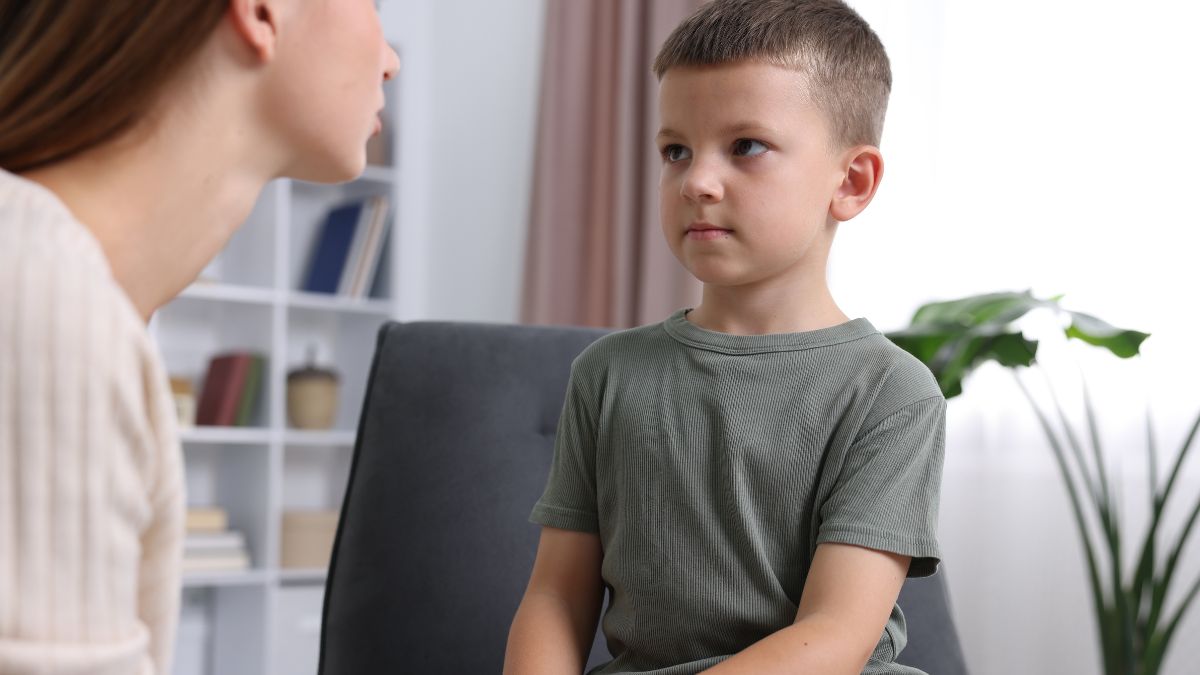
- Ignoring your child’s cues: The therapist keeps pushing tasks when your child looks scared, exhausted, or ill.
Some specific ABA therapist red flags at home include:
- Harsh tone or power struggles. The therapist raises their voice, uses sarcasm, or argues with your child. This can increase anxiety and damage the relationship that learning depends on.
- Forced physical contact. The therapist pulls your child’s hands, moves their body roughly, or blocks movement without explaining safety reasons. Gentle guidance can be necessary for safety, but repeated force is a concern.
- No choice or breaks at all. Your child is expected to work nonstop without built-in breaks, activity choices, or access to comfort items. That pressure can turn your home into a place your child wants to avoid.
When you see these red flags, you are noticing deeper style issues that may affect how safe your child feels during home-based ABA therapy.
How Do You Spot Signs of a Poor ABA Program At Home?
Some warning signs appear more in the program’s design than in the therapist’s personality. A few early bad ABA therapy signs include:
- Copy-paste goals for every child. The plan looks generic and does not reflect your child’s strengths, culture, language, or interests.
- No clear learning targets. You cannot tell what your child is supposed to gain in the next three months. Goals are vague or never mentioned.
- No skill generalization plan. Skills are practiced only at the table, never in real-life routines like meals, bath time, or outings.
When these issues appear together, they go beyond style and become solid red flags for in-home ABA therapy. You can ask the BCBA direct questions like:
- “How did you choose these goals for my child?”
- “Where can I see the written plan for these targets?”
- “How will we practice this skill during our everyday routines?”
Evidence shows that ABA-based interventions can improve communication, adaptive skills, and other key areas for many children when programs are well-designed. When you cannot see how the home program aims for those gains, that gap itself is a sign that it’s poorly designed.
What Do Ethical ABA Practices At Home Look Like?
Ethical ABA practices at home protect your child’s dignity, emotional safety, and long-term mental health. Trauma-informed ABA takes into account how past experiences, sensory overload, or medical issues shape behavior, instead of assuming a child is “noncompliant.”
Healthy features to look for include:
- Respectful language about your child. Staff describe your child with neutral or positive terms, not labels like “manipulative” or “lazy.”
- Focus on meaningful goals. Targets support communication, safety, independence, friendships, and family life. The therapist does not focus mainly on making your child “look normal.”
- Gentle response to meltdowns. When your child reaches a breaking point, the therapist lowers demands, offers co-regulation, and helps your child feel safe again.
Red flags appear when:
- Punishment dominates sessions. The therapist removes favorite items or social time for small mistakes, or adds chores or pushups as “consequences.”
- Pain or fear is dismissed. Your child cries, covers ears, or says “no,” and the therapist insists they must “push through” without checking for pain or sensory overload.
- You are told feelings do not count. If a provider tells you to ignore tears, fear, or shutdowns in the name of faster progress, that goes against trauma-informed ABA.
The red flags in this area deserve prompt attention because home should feel like the safest place for your child, not a setting where distress is ignored.

Are You Getting The Right ABA Data Collection And Parent Updates?
Strong programs rely on clear ABA data collection and parent updates so you can see whether your child is actually gaining skills. Because intensive services often run 20 to 40 hours per week for years, you should be able to see trends, not just hear vague reassurance.
Healthy communication usually includes:
- Simple graphs or summaries you can understand without a statistics background.
- Regular check-ins where the BCBA explains progress and next steps.
- Room for your feedback about what you see outside of sessions.
Concerning patterns include:
- No data at all. The therapist claims to “keep notes” but never shows numbers, graphs, or clear descriptions.
- Data that never informs change. You see charts, but programs never change, even when your child seems stuck or more distressed.
- Parents shut out of planning. The BCBA makes most decisions on their own and treats your questions as a nuisance.
If you are unsure how to read the information, it helps to prepare a few questions to ask your in-home BCBA, such as:
- “Can you walk me through this graph and what it means for our goals?”
- “What will you change if progress slows over the next month?”
- “How can I support this target between sessions?”
These questions help you see whether your provider welcomes partnership or shows in-home ABA therapy red flags around transparency.
How Should Families Respond When They See In-Home ABA Therapy Red Flags?
Parents sometimes hesitate to challenge professionals, especially when waitlists are long and every hour of therapy feels precious. Yet research shows parent-focused interventions can improve both parent well-being and child outcomes, which means your input truly counts.
When you notice in-home ABA therapy red flags, a stepwise response can help:
- Document what you see. Write down dates, behaviors, and specific examples. Short notes on your phone are enough.
- Raise concerns early. Start with the therapist if the issue is minor. For more serious concerns, contact the supervising BCBA directly.
- Use clear, calm language. Focus on what you observed, how your child reacted, and what you would like to change.
- Ask for a concrete plan. Request specific adjustments, such as more breaks, different reinforcers, or updated goals.
- Consider switching providers. If serious ABA therapy red flags continue, you can request a new therapist, a different BCBA, or a new agency altogether.
Remember that you are far from alone in managing services and raising concerns when needed. Trusted providers will invite your questions and help you build a safer plan, rather than reacting defensively when you raise signs of poor ABA program quality.

Frequently Asked Questions
How much parent involvement is normal in home-based ABA therapy?
Normal parent involvement in home-based ABA therapy includes goal-setting, occasional observation of sessions, and learning strategies for daily use. Effective programs offer coaching and welcome questions without demanding full-time participation. Lack of consultation or pressure to approve unclear plans may signal poor collaboration.
Can in-home ABA be harmful if it is done poorly?
In-home ABA can be harmful if done poorly, with harsh consequences, ignored sensory needs, or dismissed signals. These practices may raise anxiety and hurt learning. Ethical programs that use respectful, gentle strategies support both emotional well-being and skill development.
When should I consider changing providers because of ABA therapy red flags?
Change ABA providers if serious issues continue after raising concerns. Red flags include rough handling, shaming language, refusal to share plans, or rising fear or aggression in your child. When safety or trust erodes, contact your funder or insurer and explore safer, more supportive options.
Protect Your Child’s In-Home ABA Support
In-home ABA therapy can bring skilled help right into the spaces where your child lives, plays, and struggles most. When you know how to spot in-home ABA therapy red flags, you can step in sooner, ask for changes, or look for services that respect your child’s needs and your family’s values.
By carefully choosing ABA therapy services in Colorado, Utah, North Carolina, Maryland, New Mexico, and Nebraska, families can turn home sessions into a steady source of growth rather than added stress. At Attentive Autism Care, we focus on collaborative, child-centered therapy that values your insight and your child’s comfort as much as measurable progress.
If you are seeing signs of poor ABA program quality or want a second opinion on your home program, contact us, and we’ll help you decide on your options. Your child deserves therapy that builds skills, respects boundaries, and treats your home as the safe space it is meant to be.

























































































Attentive Autism Care delivers compassionate, home-based ABA therapy, offering personalized support to help children with autism thrive and achieve their best.
