

5 Types of Therapy Autistic Children Often Use With ABA (And How Parents Can Compare Them)
The types of therapy paired with ABA shape daily skills, routines, and family fit for autistic children. This article helps you compare options and plan care.

Key Points:
- Autistic children often benefit from combining ABA with other therapies, including telehealth coaching, parent-led routines, social skills groups, and sensory-supportive strategies.
- Comparing these options means focusing on clear goals, family fit, and how well providers coordinate.
- In-home ABA often serves as the foundation, with other therapies layered in based on needs.
Many parents feel torn between options once an autism diagnosis is on the table. ABA sounds important, but so do social skills work, sensory support, and other services. It can feel hard to tell which types of therapy should come first and how they fit together around one child’s needs.
Up ahead, we’ll guide you through five ABA-centered therapy approaches that autistic children often use, plus a simple way for parents to compare options and stay more organized when decisions come up.

1. In-Home ABA Therapy as the Core Support
For many families, in-home ABA therapy is the main therapy that everything else builds around. Sessions usually occur several times a week in the child’s everyday spaces, allowing therapists to work on real routines rather than only clinic tasks.
During in-home ABA, therapists may:
- Break big skills into small, teachable steps
- Use positive reinforcement to grow communication and daily living skills
- Teach caregivers what to do during meltdowns, transitions, or unsafe behaviors
Studies continue to explore how ABA programs affect social and emotional skills. One 2024 study found that ABA-based programs improved emotional understanding and social interaction for children with autism when run consistently over time.
When you think about in-home ABA compared to other types of therapy, a few practical questions help:
- Does the therapist explain goals in everyday language and show what they look like at home?
- Is progress tracked in a way you can actually see in daily life, not just on charts?
- Do sessions feel focused on priorities you have helped set?
Those questions support choosing therapist teams that treat families as partners instead of visitors.
2. Telehealth ABA Coaching Between Visits
Telehealth ABA therapy became more common during the pandemic and has remained in use because it eliminates long drives and scheduling stress. Instead of always coming into the home, a BCBA or therapist joins a secure video call to coach caregivers, review progress, or adjust strategies.
Telehealth ABA is especially useful when:
- Families live far from clinics or have limited local providers
- Weather or illness keeps in-person sessions from happening
- Parents need quick input on new behaviors between scheduled visits
Recent work on telehealth ABA caregiver training has shown that structured online programs can increase parents’ use of ABA strategies and improve children’s goal progress.
When comparing telehealth to in-person visits, ask:
- Will telehealth sessions follow a clear plan, or are they only quick check-ins?
- How often will you receive feedback on video recordings or live coaching?
- How will telehealth updates connect back to the home program so everyone stays aligned?
Those details show whether this therapy format will support or strain your week.
3. Parent-Led ABA Practice in Daily Routines
Even the best program may only provide a few hours per week. The rest of the time, children are with parents and caregivers. Parent-led ABA therapy at home turns everyday moments into chances to build skills without turning the home into a classroom.
A parent-led approach usually includes:
- Short teaching moments woven into meals, play, and self-care
- Simple visuals, prompts, and reward systems you can use without a therapist present
- Regular coaching calls or check-ins so you can ask questions and adjust plans
Evidence for parent-led ABA is growing. A 2024 study found that a structured, parent-led ABA program helped many children reach treatment goals and improved clinical outcomes, suggesting it can support families facing long waits or limited local services.
To decide how strong a parent-led program is, consider:
- How much training and follow-up you receive before you are expected to lead practice
- Whether written plans are easy to understand and realistic for your schedule
- How progress is measured, so you know the home practice is making a difference
These questions sit at the heart of therapy modalities explained in ways that parents can actually use day to day.
4. Social Skills Work Within ABA Sessions
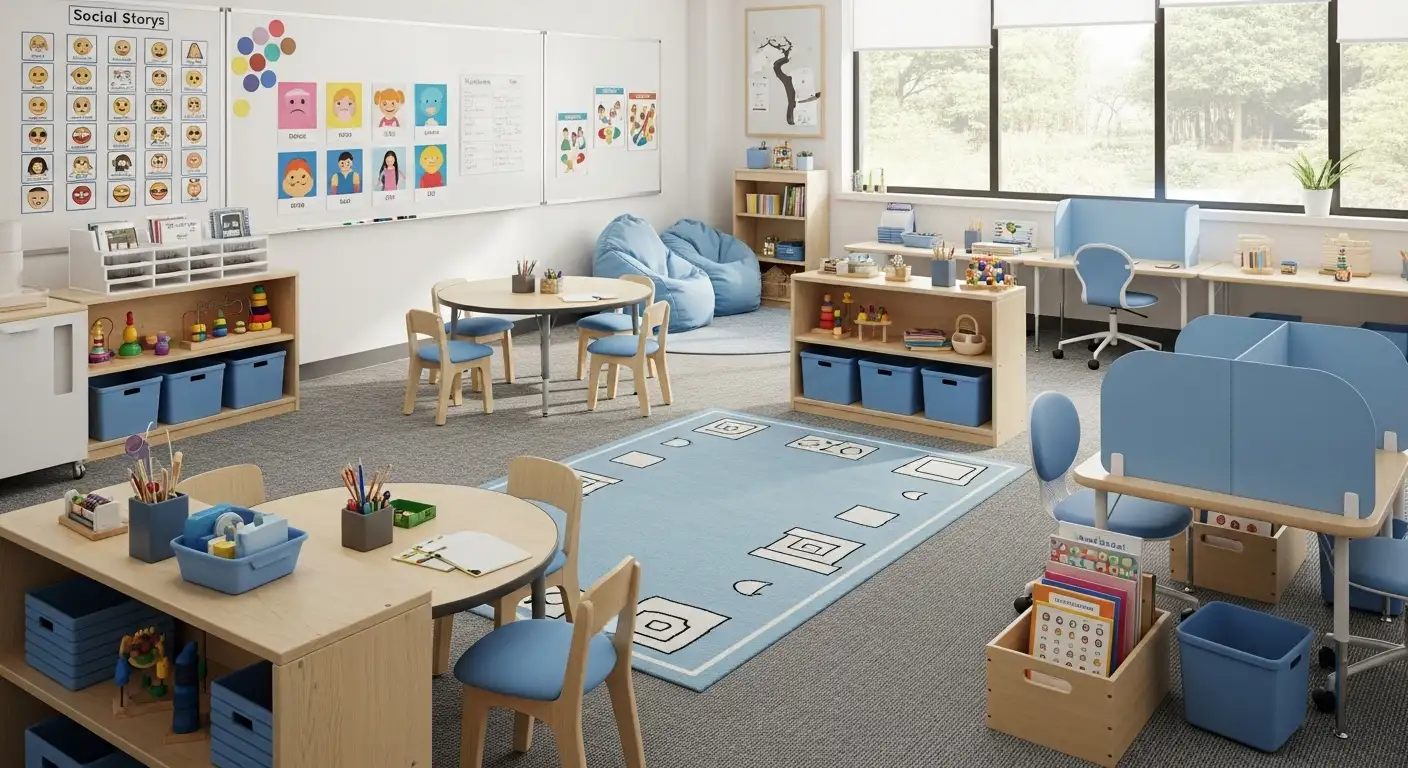
Many autistic children need direct help with social skills, such as taking turns, reading cues, recovering from social mistakes, and joining social skills groups that give them guided practice with peers. Instead of sending families to a completely separate social skills provider, some ABA teams build this work into their own sessions or small groups.
Social skills-focused ABA might include:
- Role-plays that practice greetings, sharing, and asking for help
- Games that teach turn-taking and flexible thinking
- Group or paired activities where children can try new skills with peers become group activities to support autism social skills when they follow a clear plan
Social skills can have a major impact. Recent analysis of ABA programs notes that structured behavioral teaching can support gains in social interaction, especially when practice happens in natural settings over time.
When comparing social skills options, think about:
- Whether goals connect directly to challenges you see at home or school
- How many children are in the group, and how similar their needs are
- What kind of feedback you receive after sessions, so you can back up the work at home
A social skills focus inside ABA also makes it easier to match language level, sensory needs, and emotional support to the rest of the child’s plan.

5. Sensory-Supportive Strategies in ABA
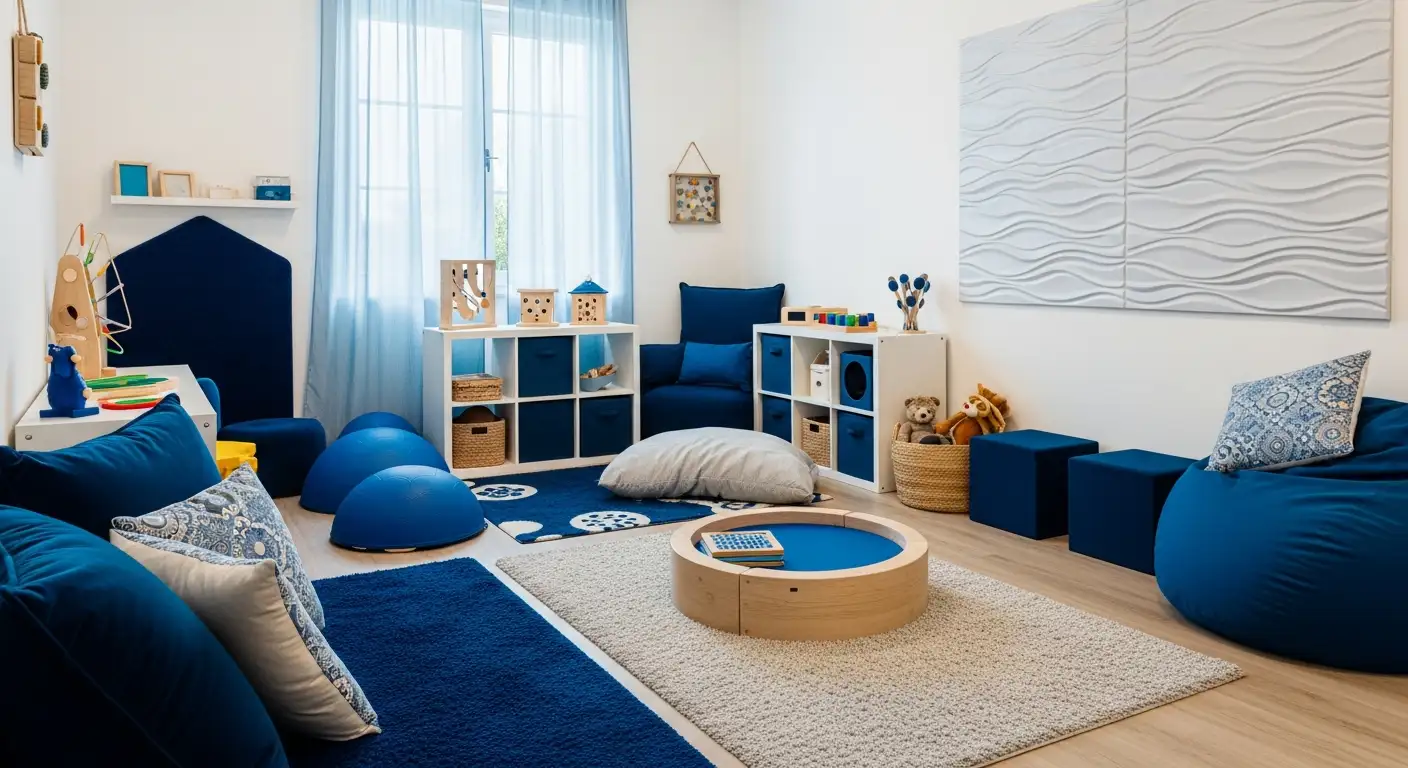
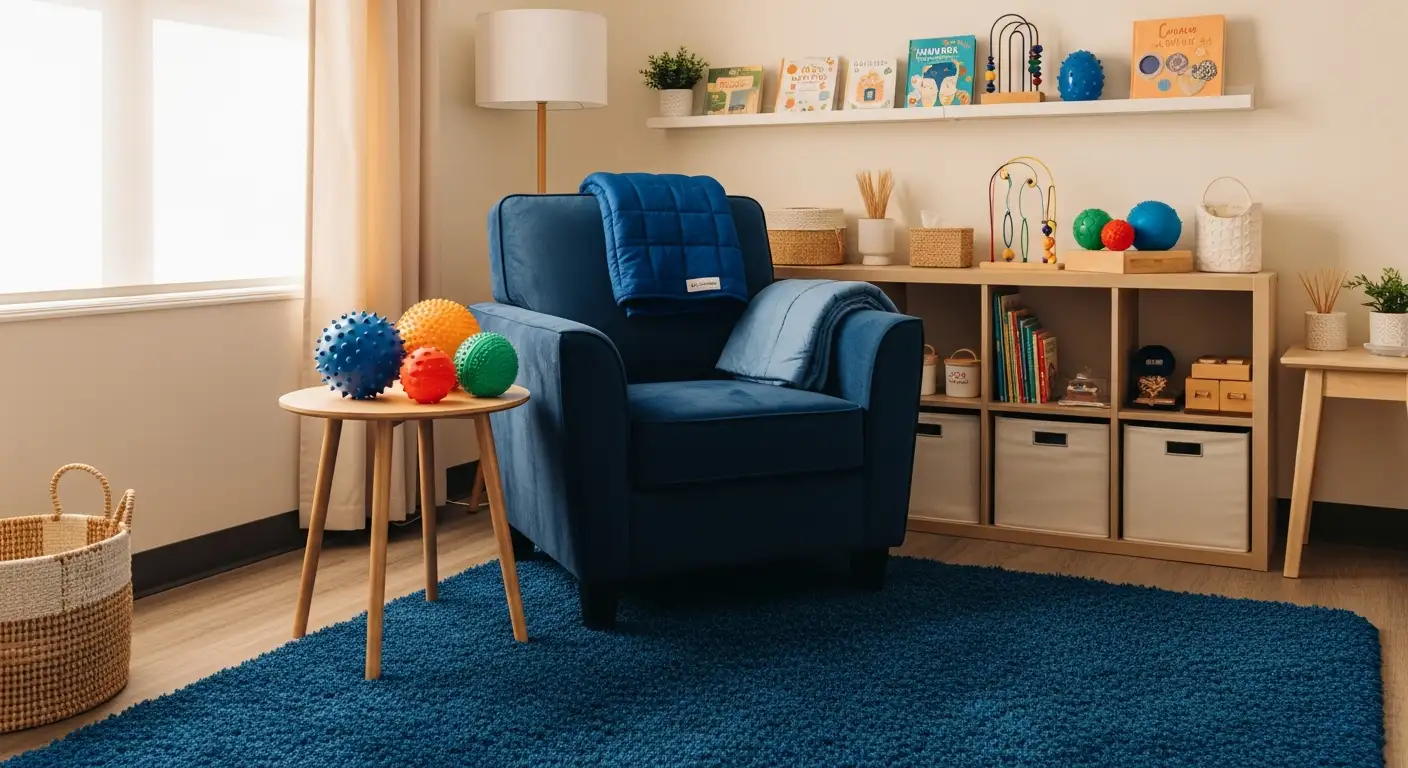
Sensory overload and sensory seeking can shape nearly every part of an autistic child’s day. Noisy rooms, bright lights, or scratchy clothes may be enough to trigger big reactions. ABA therapists can build sensory-supportive strategies into sessions so children are calm enough to learn new skills.
Sensory-based interventions in autism care may include:
- Movement breaks between tasks to release extra energy
- Visual schedules that prepare a child for loud or busy changes
- Calm-down plans for when sound, light, or touch becomes too much
Sleep and self-care also tie into sensory experiences. A 2024 review of telehealth behavioral sleep programs for autistic children found that coaching parents on structured routines improved sleep onset and maintenance for many families. Better sleep often makes sensory stress easier to handle during the day.
When you look at sensory-related types of therapy, ask providers:
- How they will identify your child’s biggest sensory triggers
- Which tools they will test first and how they will measure what works
- How they will coordinate with school staff or other providers when possible
Strong sensory planning helps therapy feel kinder instead of pushing a child past their limits.
How Can Parents Compare Different Therapy Modalities?
Once you know about the main ABA-centered options, the next step is making decisions that feel grounded instead of rushed. A few simple questions can bring clarity when therapy modalities explained on paper still feel confusing in real life.
First, match therapy to goals. Start by naming your top three priorities, such as improving communication, reducing self-injury, or streamlining daily routines. Assessments in ABA therapy help turn those priorities into specific targets providers can measure and adjust.
Research on early autism intervention shows that intensive, goal-focused services in the early years can support better long-term skills.
Next, look closely at the structure:
- How many hours per week does each service recommend?
- How are goals written and tracked over time?
- How often will your family get progress updates in clear language?
Then, think about choosing therapist partners you can work with for the long haul. Helpful questions include:
- What training and licensing does each provider hold?
- How do they include parents in decisions about goals and strategies?
- How do they coordinate with other providers so plans do not clash?
Finally, pay attention to how your child responds after a few weeks. Short-term frustration is normal when routines change, but therapy should gradually lead to more skills, more connection, and fewer crisis moments at home.

FAQs About ABA and Other Types of Therapy
How many therapy hours do autistic children usually need each week?
Autistic children may need anywhere from a few to 40 therapy hours per week, depending on age, support needs, and program goals. Early intensive programs often suggest 20–40 hours, but lower-hour models with school and home support can also be effective. Providers should explain their recommendations.
Can therapies ever work against each other?
Therapies conflict when providers fail to coordinate. Mixed strategies, like rewarding a behavior another therapist targets to reduce, disrupt progress. Coordinated care with shared goals strengthens outcomes. Ask providers how they communicate and adjust plans using team input.
When should parents start looking into therapy options after a diagnosis?
Parents should start looking into therapy options as soon as concerns appear, even before a formal diagnosis. Early intervention in the first few years improves language, social skills, and adaptive behavior. While waiting for evaluation, ask your pediatrician about available early services and local supports.
Get Support Choosing Therapy Options for Your Child
Sorting through therapy choices can feel heavy, especially when you want to act quickly but also make thoughtful decisions. By focusing on in-home ABA therapy in Maryland, Colorado, Utah, North Carolina, New Mexico, and Nebraska, families can bring structured support directly into their routines while still exploring other helpful therapies over time.
Attentive Autism Care builds programs around real family life, with an emphasis on coaching caregivers, tracking progress, and adjusting plans as children grow and change.
If you are ready to talk through these therapy choices with someone who understands both the science and the day-to-day reality, get in touch with our team. Let us help you plan the next steps and set realistic expectations.



























































































Attentive Autism Care delivers compassionate, home-based ABA therapy, offering personalized support to help children with autism thrive and achieve their best.
