

How to Use Social Media to Raise Autism Awareness
Harnessing Digital Platforms to Illuminate Autism

Understanding Autism to Foster Awareness
Autism Spectrum Disorder (ASD) affects communication, social interaction, and behavior, influencing the lives of approximately 1 in 44 children in the USA. As a complex neurodevelopmental condition, autism manifests uniquely in every individual, requiring tailored approaches in therapy and support. Social media provides a powerful tool for spreading awareness, promoting acceptance, and encouraging understanding through shared stories, educational content, and community engagement. Before delving into strategies for raising autism awareness online, it is essential to grasp the fundamentals of autism, communication differences, and effective therapeutic interventions like applied behavior analysis (ABA).
The Core Communication Challenges in Autism and Their Impact
How do autistic individuals’ communication styles and preferences differ?
Autistic people often exhibit unique communication styles and preferences that are present from birth. These differences are broad and influence everyday life significantly. Unlike typical communication which often relies on predictable social cues, autistic communication varies widely, necessitating understanding and respect for each individual’s preferred methods.
What are the main differences in social interaction?
Social interaction for autistic individuals might not follow conventional patterns. They may have difficulty interpreting spoken and unspoken social cues, which can affect their ability to engage in typical back-and-forth conversations. This variation necessitates tailored support strategies that embrace these differences rather than attempting to force conformity.
How does non-verbal communication differ in autism?
Non-verbal communication behaviors such as eye contact, facial expressions, gestures, and body language may be different or less frequently used by autistic people. Despite these differences, these forms of communication remain meaningful and deserve recognition and adaptation from those interacting with autistic individuals.
What is the 'double empathy problem'?
The 'double empathy problem' describes a mutual difficulty in understanding between autistic and non-autistic individuals. Research shows autistic people often communicate and share information more effectively within other autistic groups than with non-autistic ones. This reciprocal challenge stresses the need for efforts across social groups to bridge gaps in empathy and communication.
What are the social challenges stemming from communication differences?
The unique communication styles of autistic individuals can lead to social challenges including rejection, increased anxiety, low self-esteem, and mental health struggles. Social difficulties often arise not from deficits but from mismatches in communication approaches, underlining the importance of societal acceptance and support.
This understanding of autism-related communication differences is crucial for fostering more inclusive social environments and developing effective support strategies tailored to individual needs.
The Role of Applied Behavior Analysis (ABA) Therapy in Autism Treatment

What is applied behavior analysis (ABA) therapy and how is it used in autism treatment?
Applied behavior analysis (ABA) therapy is a science-based method that helps individuals with autism develop essential skills and manage challenging behaviors. It is grounded in the principles of learning and behavior, focusing on how environmental factors influence actions.
Definition and principles of ABA
At its core, ABA analyzes behavior based on the ABC model:
- Antecedent: what happens before a behavior
- Behavior: the action itself
- Consequence: what follows the behavior By understanding this sequence, therapists identify triggers and outcomes to shape positive behavior changes.
Use of the ABC model
The ABC model allows for targeted interventions where antecedents can be modified or consequences used to reinforce desired behaviors. For instance, rewarding social interaction can encourage more communication.
Positive reinforcement techniques
Positive reinforcement is a central ABA strategy where desirable behaviors are encouraged through rewards such as praise, tokens, or favorite activities. This technique motivates individuals to repeat beneficial behaviors.
Areas targeted by ABA therapy
ABA addresses a variety of skill areas including:
- Communication and language development
- Social skills and interaction
- Daily living routines and self-care
- Academic and cognitive skills
- Reducing harmful or disruptive behaviors
Structured and naturalistic ABA methods
ABA therapy uses both:
- Structured techniques: Such as Discrete Trial Training (DTT), which involves breaking skills into small, manageable steps with repetition and reinforcement.
- Naturalistic interventions: Like Pivotal Response Treatment (PRT), where learning occurs during natural play and interactions, making skills more generalizable.
Effectiveness and evidence base of ABA
ABA is widely supported by scientific research and recognized by major health organizations as an effective treatment for autism. Early and intensive ABA interventions have demonstrated improvements in language, social skills, and adaptive behaviors.
Overall, ABA therapy offers personalized, evidence-based strategies designed to reduce barriers and enhance participation by fostering communication, social skills, and daily functioning essential for individuals with autism.
Qualified Professionals Behind Autism Therapy and Behavioral Analysis
Who typically provides autism therapy and behavioral analysis services?
Autism therapy and behavioral analysis are delivered by a team of trained specialists committed to tailored, evidence-based support. Key professionals include board-certified behavior analysts (BCBAs), who design and oversee individualized treatment plans based on thorough assessments. Registered behavior technicians (RBTs) work under BCBAs to implement therapy strategies directly with clients.
Licensed therapists specializing in applied behavior analysis (ABA) are also vital contributors, offering interventions that focus on improving social interactions, communication, and reducing challenging behaviors.
Settings and Team Approach
These services are provided across diverse environments such as clinics, homes, and schools to ensure therapy integrates into daily life. A collaborative, multidisciplinary team approach is common, often involving educators and health professionals alongside the therapy team.
Parental involvement is essential; caregivers receive training to support ongoing progress and generalization of skills outside therapy sessions.
Facilitating Access to Quality Therapy
Access to quality autism therapy is made possible through healthcare providers and insurance networks, complemented by reputable service agencies focused on autism-specific interventions. This comprehensive support framework aims to enhance the individual's communication, social skills, and overall quality of life through customized behavioral strategies.
Tailoring Behavioral Therapy to Unique Needs of Autistic Individuals
How do specialized companies tailor autism behavioral therapy to individual needs?
Specialized companies begin by conducting thorough assessments, such as Functional Behavior Assessments (FBAs), to gain a clear understanding of each autistic individual's unique strengths, challenges, communication preferences, and family goals. These assessments help identify specific behaviors and their triggers, enabling therapists to create personalized treatment plans.
Board-Certified Behavior Analysts (BCBAs) then develop individualized Applied Behavior Analysis (ABA) plans. These plans set measurable and targeted goals focused on skill development and behavior improvement. ABA therapy often uses the ABC model — analyzing Antecedents, Behaviors, and Consequences — alongside positive reinforcement techniques to encourage beneficial behaviors and reduce challenging ones.
Family involvement is a critical component of successful therapy. Many companies offer home-based sessions or training for parents and caregivers, empowering them to practice and reinforce newly learned skills within daily routines. This collaboration ensures consistency and helps generalize skills across various environments.
Ongoing progress monitoring is essential. Therapists collect consistent data during sessions to evaluate effectiveness and make dynamic adjustments. This continuous feedback loop ensures therapy remains tailored to the individual’s evolving needs, promoting meaningful, lasting development.
Key components of individualized autism therapy
| Component | Description | Purpose |
|---|---|---|
| Functional Behavior Assessment (FBA) | Comprehensive evaluation identifying behavior triggers and functions | Guides targeted interventions |
| Personalized ABA plans | Structured, measurable goals tailored to individual needs | Focuses therapy on skill-building and behavior reduction |
| Family involvement | Training and participation of caregivers in therapy processes | Enhances skill generalization and consistency |
| Positive reinforcement | Encouragement of desirable behaviors using rewards and praise | Motivates behavior change without coercion |
| Progress monitoring | Continuous data collection and plan adjustment | Ensures therapy adapts to changing needs |
Through these specialized approaches, behavioral therapy can effectively support autistic individuals by respecting their unique communication styles, behaviors, and preferences while promoting growth in social, communication, and life skills.
Benefits of Behavioral Therapy for Autistic Individuals

What are the key benefits of behavioral therapy for individuals with autism?
Behavioral therapy, especially Applied Behavior Analysis (ABA), provides meaningful support by addressing communication and social challenges faced by autistic individuals.
Improvements in Communication and Social Skills
ABA therapy helps develop effective communication, including verbal and non-verbal methods tailored to each person's preferences. This therapy teaches social skills explicitly and provides practice in real-life settings, which enhances social interactions and reduces misunderstandings.
Enhancement of Daily Living Abilities
Daily living skills such as self-care, following routines, and problem-solving improve through personalized behavioral interventions, increasing independence.
Reduction of Disruptive Behaviors
Targeted ABA techniques reduce behaviors that may interfere with learning and social integration, helping individuals navigate environments like schools and workplaces more comfortably.
Promotion of Positive Social Interactions
By fostering understanding of social norms and emotional regulation, behavioral therapy promotes acceptance and improves peer relationships, which is vital since autistic individuals often experience social difficulties.
Customized Techniques for Skill Building
ABA uses positive reinforcement and natural environment training adjusted to individual goals, respecting each individual's communication style and preferences.
Overall Quality of Life Improvements
Combining these benefits leads to greater participation in community life, improved self-esteem, and reduced anxiety, contributing to a higher quality of life for autistic individuals and their families.
Harnessing Social Media to Share Autism Stories and Promote Acceptance
Why Personal Stories Matter in Raising Awareness
Sharing personal stories is a powerful way to shine a light on autism and its diverse experiences. These first-hand accounts help reveal the everyday realities faced by autistic individuals, breaking down stereotypes and building empathy. When people connect with authentic voices, it encourages greater understanding and acceptance.
Using Social Media to Increase Acceptance and Understanding
Social media platforms offer a global stage to spread awareness quickly. By posting stories, videos, and updates, users can foster a supportive online community that celebrates neurodiversity. Sharing successes, challenges, and insights helps normalize different communication and social interaction styles.
Effective Ways to Share Content on Social Media
- Personal Stories and Blogs: Sharing lived experiences in posts or videos.
- Hashtags: Using popular tags like #AutismAwareness or #LightItUpBlue to increase reach.
- Live Q&A Sessions: Bringing experts and autistic individuals together to answer questions.
- Creative Content: Infographics, animations, and visual aids explaining communication differences.
Engaging Local Communities and Schools
Social media can bridge connections with local groups and educational settings. Organizing virtual or in-person events, sharing resources, and tagging schools or community organizations encourages collaborative learning and support.
Creating Supportive Conversations Online
Encouraging respectful dialogue by educating followers about the "double empathy problem" and communication diversity helps cultivate understanding. Using welcoming language and avoiding assumptions reduces stigma and invites allies.
Using Symbolism to Represent Autism Awareness
Symbols like the multi-colored puzzle ribbon highlight the spectrum’s diversity, while blue hues connect to campaigns like “Light It Up Blue.” The butterfly symbolizes transformation and progress. Sharing these icons online strengthens messages of acceptance and inclusion.
By thoughtfully harnessing social media, individuals and organizations can promote empathy, reduce misunderstandings, and celebrate the unique voices within the autism community.
Social Skills Development and Community Integration for Autistic Individuals
Why Are Social Skills Important for Community Participation?
Social skills are essential for autistic individuals to engage fully in their communities, build friendships, and enhance their overall happiness. Developing these skills helps reduce social challenges like rejection and anxiety.
How Do Structured Social Skills Programs Help?
Structured social skills programs provide explicit instruction and allow practice in realistic settings. These programs are predictable and often group-based, which supports consistent skill-building. They help participants learn practical social interactions and communication strategies.
What Are Peer-Mediated and Professional-Led Interventions?
These interventions involve guidance from professionals such as speech pathologists and behavioral therapists. Peer-mediated approaches also enable autistic individuals to learn and practice skills together, encouraging social understanding and connection within the community.
How Can Visual Aids and Personalized Stories Assist Learning?
Visual aids and personalized teaching stories make social expectations clearer and situations more predictable for autistic individuals. This support reduces overwhelm and helps internalize social norms more effectively.
What Is an Example of a Successful Social Skills Program?
The PEERS program at UCLA is a well-known, 16-week structured social skills course. It teaches a wide range of practical skills, including friendship-building and dating, emphasizing real-life applicability and peer interaction.
How Do Families and Schools Support Social Development?
Families and schools play key roles by connecting individuals with social skills programs and autism-friendly resources. They also implement strategies to support communication and sensory needs, fostering an inclusive environment that encourages social growth.
The Historical and Symbolic Foundations of Autism Awareness
Origins of Autism Awareness Month
Autism Awareness Month was initiated by the Autism Society in 1965 to increase public understanding and support for autism. This effort began with the launch of the first National Autistic Children's Week in 1970, which laid the groundwork for what would evolve into the broader Autism Awareness Month.
Role of the Autism Society and United Nations
The Autism Society has played a pivotal role in advocating for autism awareness and support initiatives since its inception. Complementing these efforts, the United Nations established World Autism Awareness Day on April 2nd, 2007. This global observance helps to promote autism awareness worldwide, encouraging inclusivity and respect for individuals on the spectrum.
Global Efforts to Promote Autism Awareness
In 2008, Autism Speaks launched their first Autism Awareness Month to further extend the reach and impact of awareness campaigns. Around the globe, these initiatives engage communities through education, events, and outreach programs to foster acceptance and understanding of autism.
Significance of Awareness Symbols
Several symbols have come to represent autism awareness. The multi-colored puzzle ribbon symbolizes the diversity of the autism spectrum. The color blue is widely associated with the "Light It Up Blue" campaign, increasing visibility for autism causes. The butterfly symbolizes transformation and progress, while the puzzle piece icon, despite some mixed receptions, remains a recognizable emblem for autism awareness efforts.
Evolution of Autism Awareness Campaigns
Over the decades, autism awareness campaigns have grown more inclusive and nuanced. From localized efforts by the Autism Society to worldwide participation following the UN designation, campaigns now emphasize respect for autistic communication styles, personalized support, and community integration. These evolving approaches help ensure that autism awareness is not just about recognition but also about meaningful acceptance and empowerment.
Empowering Awareness Through Digital Platforms
Social media offers a transformative avenue to increase understanding, acceptance, and support for individuals with autism. By sharing accurate information about autism’s communication differences and therapeutic approaches like ABA, highlighting personal stories, and promoting social skill development programs, advocates can foster greater inclusion. Understanding the historical context and meaningful symbols enriches the awareness campaigns, connecting communities worldwide. Ultimately, well-informed and empathetic digital engagement can break down barriers and celebrate neurodiversity, empowering autistic people to thrive in society.
References
- Autism and communication
- Facts About Autism Awareness Month and Why It's Important
- Social skills and autism
- Breakthrough ABA | Autism Treatment and ABA Therapy ...
- Applied Behavior Analysis (ABA)
- Personalized ABA Treatment Plans: How They're Crafted
- Applied Behavior Analysis (ABA)
- Home-Based ABA Therapy: Personalized Benefits for Autism
- The Top 10 Reasons Children With Autism Deserve ABA











































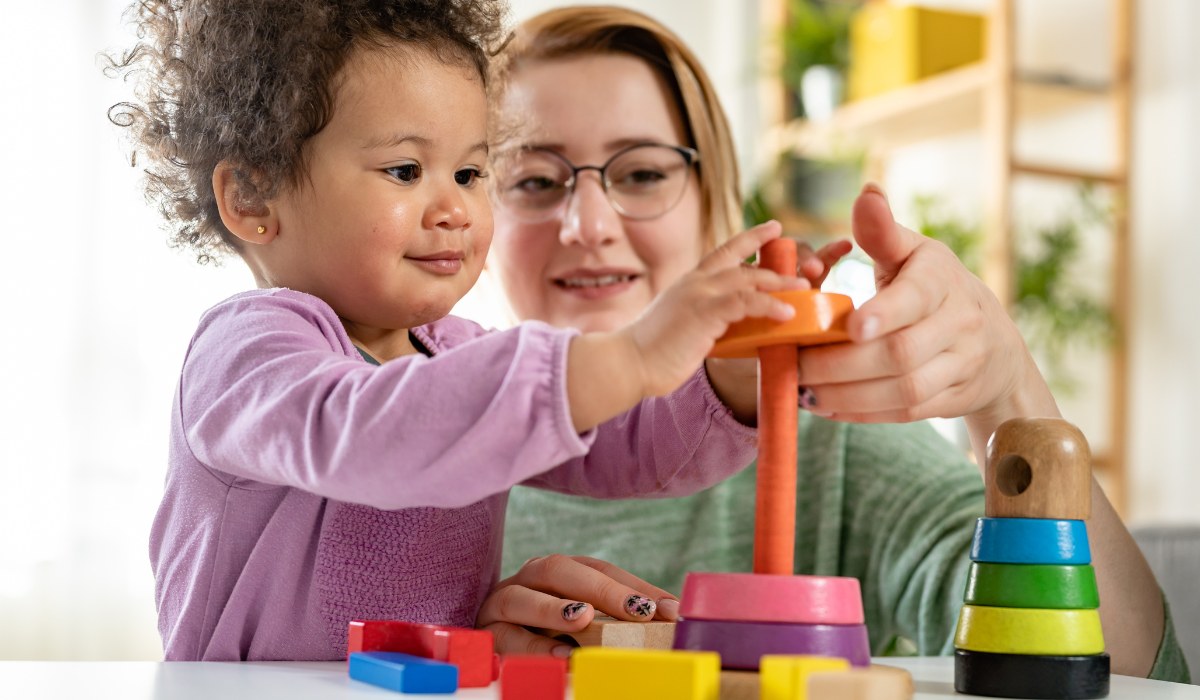



















































Attentive Autism Care delivers compassionate, home-based ABA therapy, offering personalized support to help children with autism thrive and achieve their best.
