

15 Ways Autism in Girls Looks Different and How Parents Can Respond
Autism in girls can look social, anxious, or perfectionistic, so support needs are missed. Get practical guidance and connect with our ABA team for next steps.

Key Points:
- Autism in girls often looks different, masked by quietness, strong academics, people-pleasing, or intense interests.
- These traits may hide social struggles, anxiety, or sensory overload.
- Parents can respond by tracking patterns, advocating during evaluations, supporting emotional regulation, and requesting therapy that recognizes female autism presentation across home, school, and developmental stages.
Autism in girls often shows up in ways that do not match the picture most people still hold in their heads. Signs can be softer, more social, or hidden behind good grades and a friendly smile. When the traits do not match stereotypes, girls are more likely to be missed or misunderstood.
You deserve clear, practical examples so you can connect the dots. The ideas below will walk you through common patterns and simple ways parents can respond at home with in-home ABA therapy, at school, and during assessment.
1. Quiet Copying and Masking at School
Some girls carefully watch classmates and copy how they talk, move, and react. On the surface they blend in; inside they are constantly acting.
Parents can:
- Keep a simple log of how your child is after school, including meltdowns or shutdowns.
- Share examples with teachers and evaluators so they see both sides of the day.
- Ask for support that honors how draining social masking can be.
2. Strong Social Drive but Fragile Friendships
Many autistic girls want friends deeply but do not always understand unspoken rules. They may latch onto one friend, get easily hurt, or stay in unkind friendships because they fear being alone.
Parents can:
- Talk through real friendship situations using simple, concrete language.
- Help your child name red flags like bossiness, teasing, or one-sided effort.
- Practice short scripts for walking away or asking for help when things feel unsafe, and build friendship skills that help your child recognize kinder, more supportive peers.
3. Intense Interests That Look “Normal”
Autism symptoms in girls can hide inside interests that seem typical, like animals, books, or pop culture. What stands out is the depth and the resistance to shifting away from that topic.
Parents can:
- Join the interest, then gently introduce short breaks or new activities.
- Use the interest as a starting point for reading, writing, or social practice.
- Mention the intensity and rigidity around interests during visits for assessments in ABA therapy.
4. Perfectionism and People-Pleasing
Some girls push themselves to be perfect at school and at home, terrified of mistakes. They may redo homework again and again, erase until the paper tears, or cry over small errors.
Parents can:
- Use a “good enough” scale, like rating work from 1 to 5 instead of perfect or failed.
- Praise effort, problem-solving, and honesty, not just neatness and grades.
- Ask therapists to include flexible thinking goals, not only behavior reduction.
5. Big Feelings Turned Inward
Instead of acting out, many autistic girls internalize stress. They may worry constantly, complain of stomach aches, or seem withdrawn and sad. One large review of registry studies found anxiety disorders in about 40% of autistic females, compared with about 30% of autistic males.
Parents can:
- Track when anxiety or low mood spikes and what tends to trigger it.
- Share both emotional and behavioral signs with the evaluation team.
- Ask for support that includes coping skills, not just behavior plans, especially the kind of help autistic individuals need in managing anxiety.
6. Sensory Sensitivity Disguised as “Picky”
Many girls react strongly to clothing tags, certain fabrics, loud cafeterias, or strong smells. Adults may label them “fussy” instead of recognizing sensory overload. Common examples include itchy clothing labels, bright lights, or background noise that others ignore.
Parents can:
- Write down specific sensory triggers and what helps, such as softer fabrics or noise-reducing headphones.
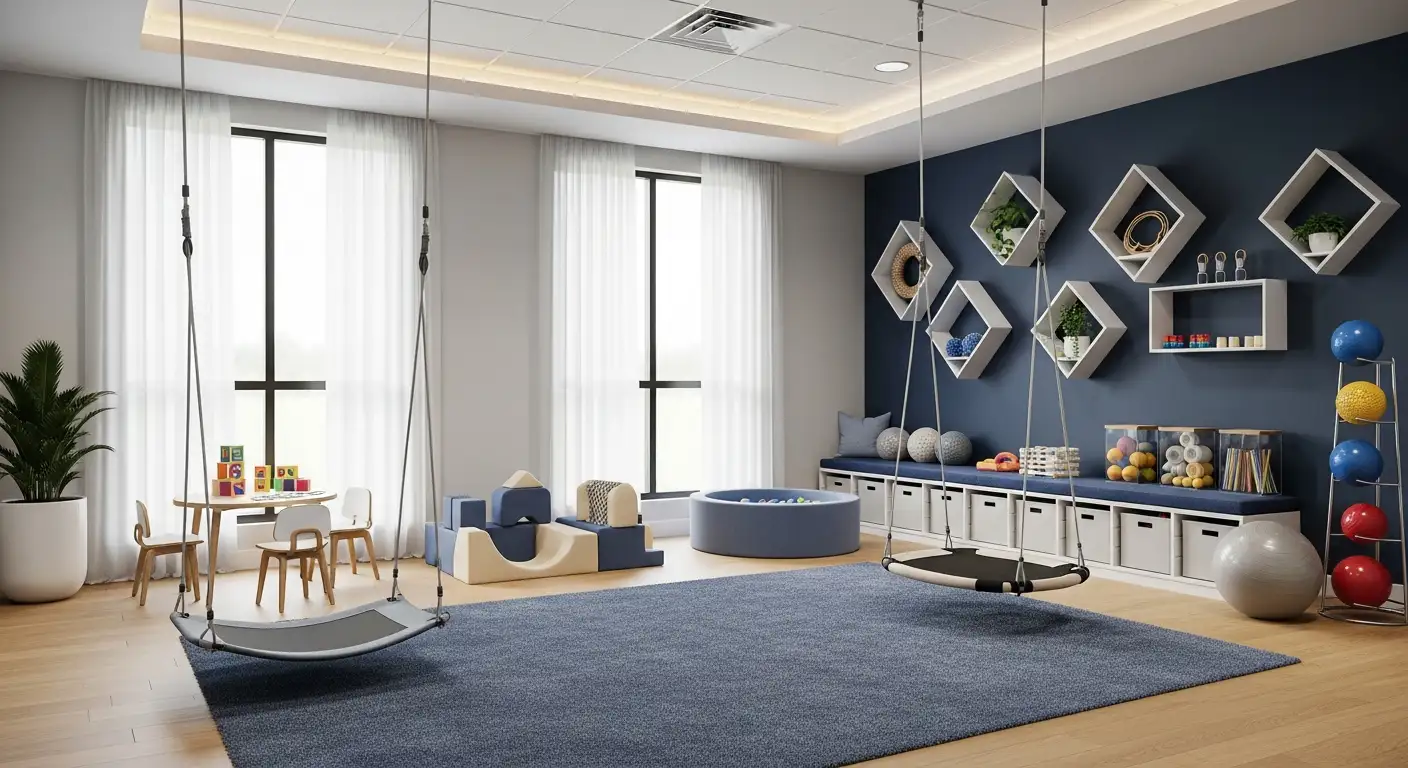
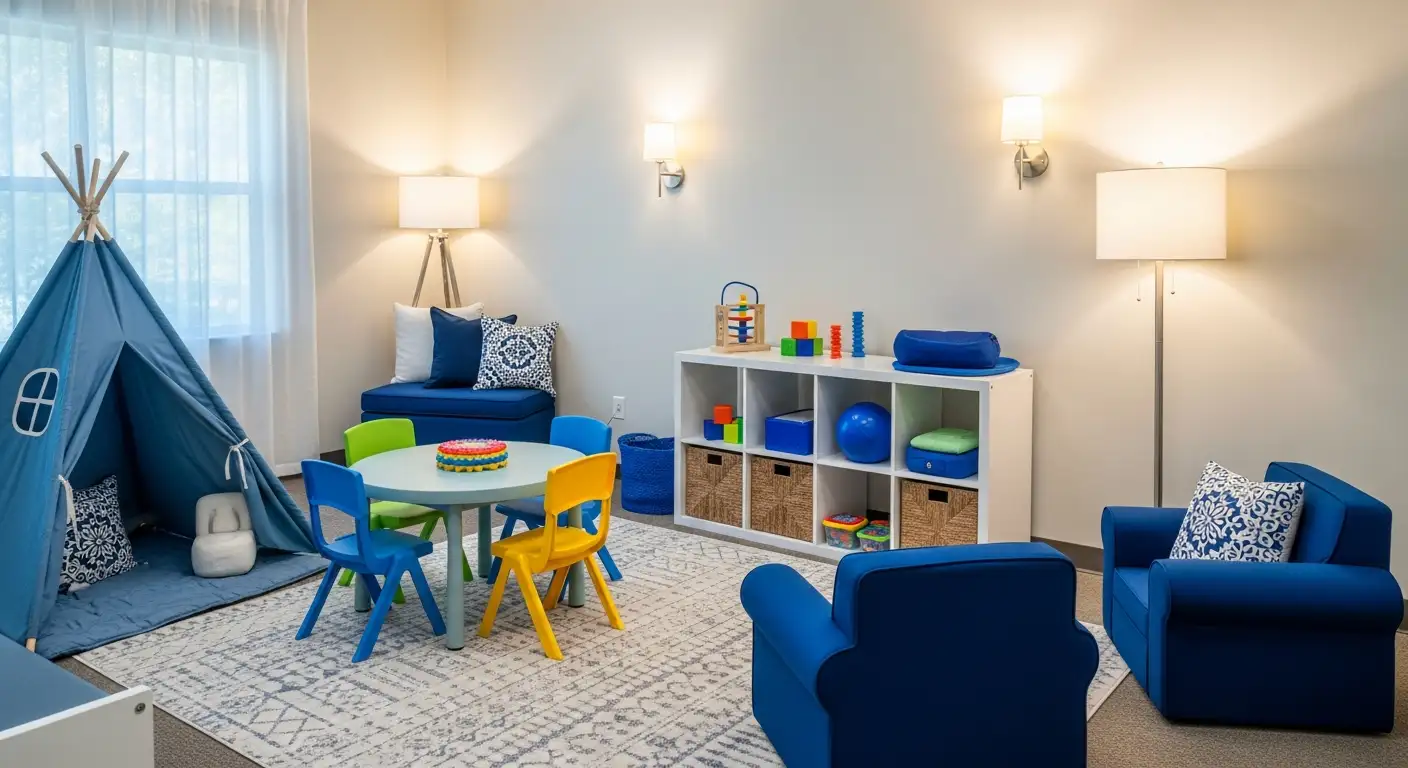
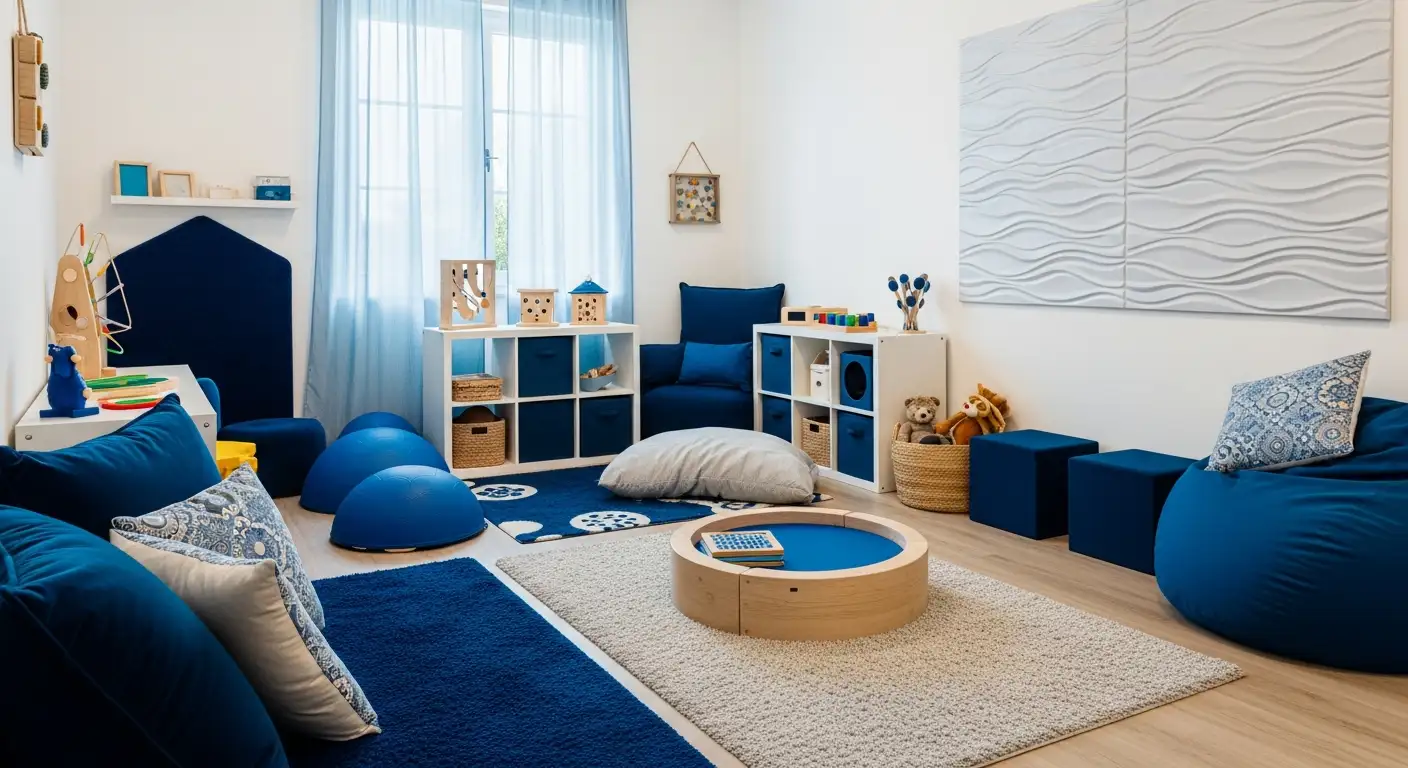
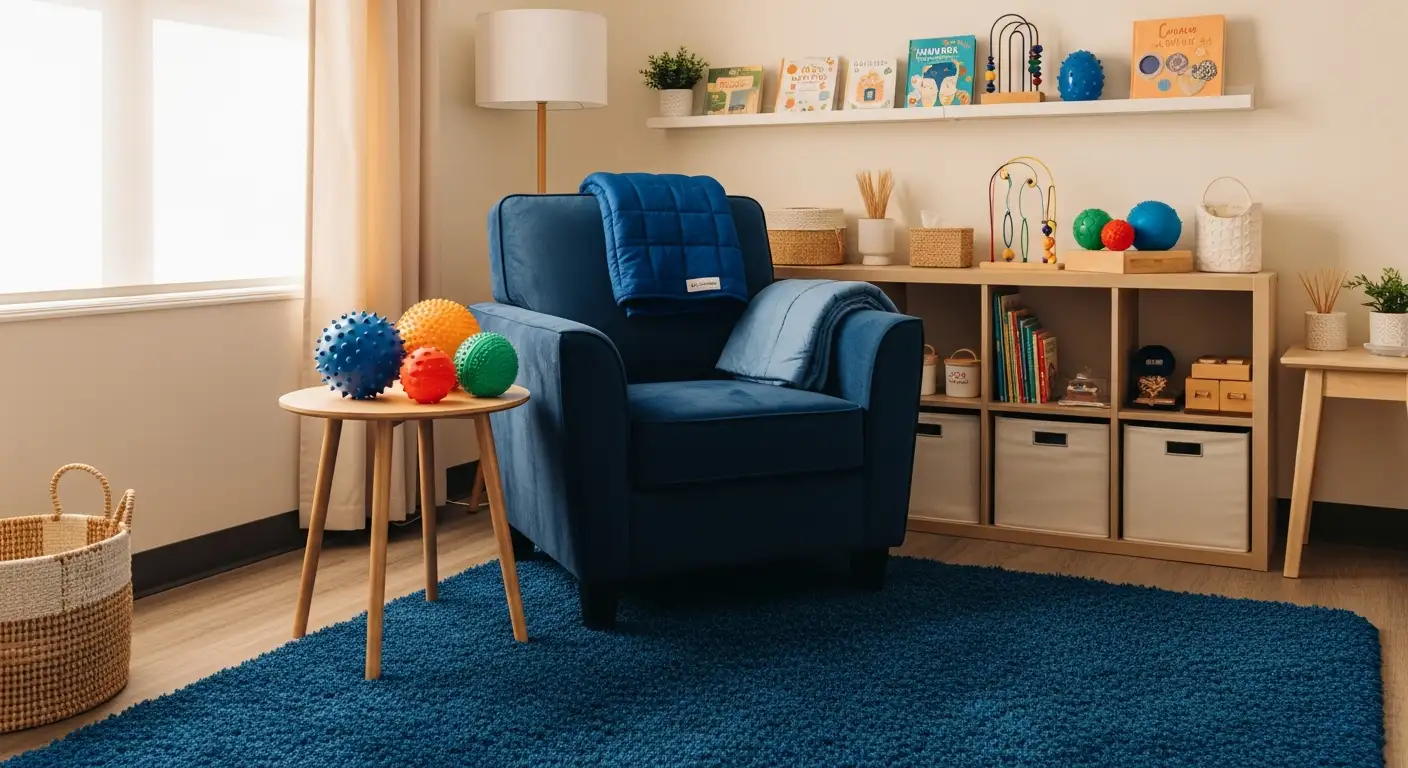
- Adjust routines where possible, like choosing more comfortable clothing for school and creating a sensory-friendly home environment for autism.
- Ask therapists and teachers to build in sensory breaks across the day.
7. Strong Language but Literal Thinking
Some girls talk early, use advanced vocabulary, and read well. Adults may assume these rules out autism. Yet they might take jokes literally, miss sarcasm, or struggle with hidden rules.
Parents can:
- Explain idioms and jokes directly and collect them in a small notebook.
- Practice “what did the person really mean?” using TV scenes or stories.
- Ask therapists to target social meaning, not just grammar or pronunciation.

8. One Intense Friendship or “Chameleon” Behavior
Female autism presentation can include either clinging to one best friend or changing style and behavior to match each group. Both patterns can hide how unsure your child feels inside.
Parents can:
- Talk about how it feels to change for others and what feels more authentic.
- Role-play ways to join new groups without copying everything.
- Ask teachers to watch for peer pressure or subtle bullying as your child is developing peer relationships.
9. Meltdowns After “Good” Days
A girl may hold everything in during school, then explode or shut down at home. To others, she looks fine; you see the cost.
Parents can:
- Plan a quiet buffer after school with food, rest, and low-demand time.
- Avoid heavy homework or activities in the first hour if possible.
- Share this pattern with clinicians so they do not rely on school reports alone.
10. The “Shy, Good Girl” Mask
Teachers may describe an autistic girl as quiet, kind, and without trouble. She may be praised for helping others while silently struggling with group work, noise, or unclear instructions.
Parents can:
- Ask specific questions about recess, group projects, and lunch, not only grades.
- Encourage your child to talk about times she felt left out or confused.
- Request that school forms include space to describe unstructured times and use this information as you advocate for autism services in schools.
11. Strong Academics Hiding Daily Strain
Autistic girls often do well in certain subjects yet feel drained by planning, organizing, and shifting between tasks. From the outside, everything looks fine; at home, you may see late nights and tears.
Parents can:
- Time how long homework actually takes and where your child gets stuck.
- Share examples of messy bags, missed deadlines, or lost papers during meetings, so teams see how autism-related behavioral issues in school affect daily demands.
- Ask for visual schedules, checklists, and clear written instructions.
12. Puberty Turning Up the Volume
Hormonal changes, new social rules, and more complex schoolwork can amplify traits. Some girls who managed earlier years suddenly seem more anxious, reactive, or withdrawn around puberty. Recent work on the age of diagnosis shows that late-identified autistic people often report rising social and mental health challenges in adolescence.
Parents can:
- Note when changes began and what else shifted at school or home.
- Talk openly about body changes, boundaries, and consent in simple language.
- Bring puberty-related shifts to any clinician involved in diagnosing girls autism.

13. Harsh Self-Talk and Low Self-Worth
Years of feeling “different” without an explanation can lead to harsh self-talk. Girls may say they are weird, broken, or a failure, even when adults see strengths.
Parents can:
- Gently challenge negative self-statements and offer specific examples of strengths.
- Share your child’s own words with assessors so they understand the emotional load.
- Ask therapists to include self-advocacy and self-kindness in treatment goals and to build developing emotional awareness into regular sessions.
14. Missed or Mislabelled Needs
Autism in girls is often overshadowed by other labels, especially anxiety, depression, or eating concerns. Large studies on diagnostic trends show that girls are still more likely than boys to be identified later in childhood or adolescence.
Parents can:
- Bring a full history to appointments, including old reports and teacher comments.
- Ask directly whether the team is familiar with how autism can look in girls.
- Seek second opinions if your concerns are dismissed without careful review.
15. Deep Empathy Without Clear Boundaries
Many autistic girls feel emotions intensely and care deeply about others. They can still miss signs that someone is taking advantage of them or pushing them past their limits.
Parents can:
- Teach simple boundary phrases, such as “I do not like that” or “I need to stop now.”
- Practice saying these lines out loud together during calm moments.
- Talk through safe adults your child can go to when something feels wrong.
Why Do Autism Signs Look Different in Girls?
Autism is common in childhood. Recent monitoring in the United States estimated that about 1 in 31 children had autism in 2022. Boys are still identified more often than girls, with several large reviews pointing to a ratio closer to three boys for every girl on the spectrum.
Those numbers do not mean autism in girls is rare. They show that many girls are still missed. Diagnostic tools were mostly developed around patterns seen in boys. Girls are more likely to copy peers, hold things together at school, and show their distress through anxiety, low mood, or perfectionism instead of obvious behavior.
Female autism presentation often involves:
- Strong social motivation but fragile, confusing friendships
- Sensory and emotional overload that shows up as “picky,” “moody,” or “sensitive”
- Intense interests that look typical at first glance
When you know these patterns, it becomes easier to see when your daughter’s struggles are more than “just a phase.”

FAQs About Autism in Girls
At what age are most girls diagnosed with autism?
Most girls are diagnosed with autism later than boys. In 2024, only 34% of girls were diagnosed before age 5, compared to 44% of boys. Many women receive their first diagnosis in adulthood. Early signs still justify evaluation without waiting for problems to escalate.
Can autism in girls be mistaken for anxiety or depression?
Yes, autism in girls can be mistaken for anxiety or depression. Girls often show internal signs, such as worry or exhaustion, before social or sensory traits are recognized. If evaluations focus only on mood without examining communication or history, autism may go undiagnosed.
What is the difference between ADHD and autism in girls?
The main difference between ADHD and autism in girls is focus. ADHD involves attention, impulsivity, and hyperactivity, while autism affects social communication, sensory processing, and routines. Some girls have both conditions, so a thorough evaluation should screen for each condition rather than assuming a single diagnosis.
Get Support for Autism in Girls at Home
Seeing how autism in girls can hide behind good grades, quiet behavior, and people-pleasing often brings a mix of relief and worry. Families do not have to sort through all of this alone. ABA therapy services for autism in Colorado, Utah, North Carolina, Maryland, New Mexico, and Nebraska can focus on everyday life at home, at school, and in the community.
At Attentive Autism Care, therapy plans are built around real routines, family input, and clear goals for communication, coping skills, friendships, and independence. Sessions happen in your child’s own environment, so progress connects directly to daily life rather than staying in a clinic room.
If the patterns in this article feel familiar, reaching out for an assessment or ABA services is a practical next step. Get in touch with us now. A brief call or contact form can help us better understand your child and build support that suits your family.













































































Attentive Autism Care delivers compassionate, home-based ABA therapy, offering personalized support to help children with autism thrive and achieve their best.
