

How to Manage Sensory Overload in Autism Classrooms
Creating Calm: Strategies to Ease Sensory Overload in Autism Classrooms
Understanding Sensory Overload in Autism Education
Sensory overload is a common challenge for many children with autism spectrum disorder (ASD), especially in classroom environments where multiple sensory inputs converge. Overwhelming stimuli such as noise, light, texture, and smells can affect a child’s ability to focus, participate, and regulate emotions. Managing sensory overload effectively in autism classrooms is essential for fostering learning, social interaction, and emotional well-being. This article explores practical strategies, therapeutic interventions, and behavioral approaches that educators and therapists can implement to create supportive classroom settings where children with autism thrive.
Recognizing and Modifying Sensory Challenges in Classrooms
Sensory processing difficulties in children with autism
Children with autism frequently experience sensory processing challenges, with studies showing between 70% and 96% exhibiting either hypersensitivity or hyposensitivity to various sensory stimuli. These differences can affect their ability to participate in social interactions, academic tasks, and communication, often leading to behaviors such as aggression or withdrawal when overwhelmed.
Types of sensory stimuli affecting children
Sensory challenges may involve any of the senses including auditory, tactile, visual, olfactory, and proprioceptive inputs. For example, loud noises, bright or visually cluttered environments, unpleasant smells, or uncomfortable textures can all contribute to sensory overload or distress in children.
Classroom environment modifications
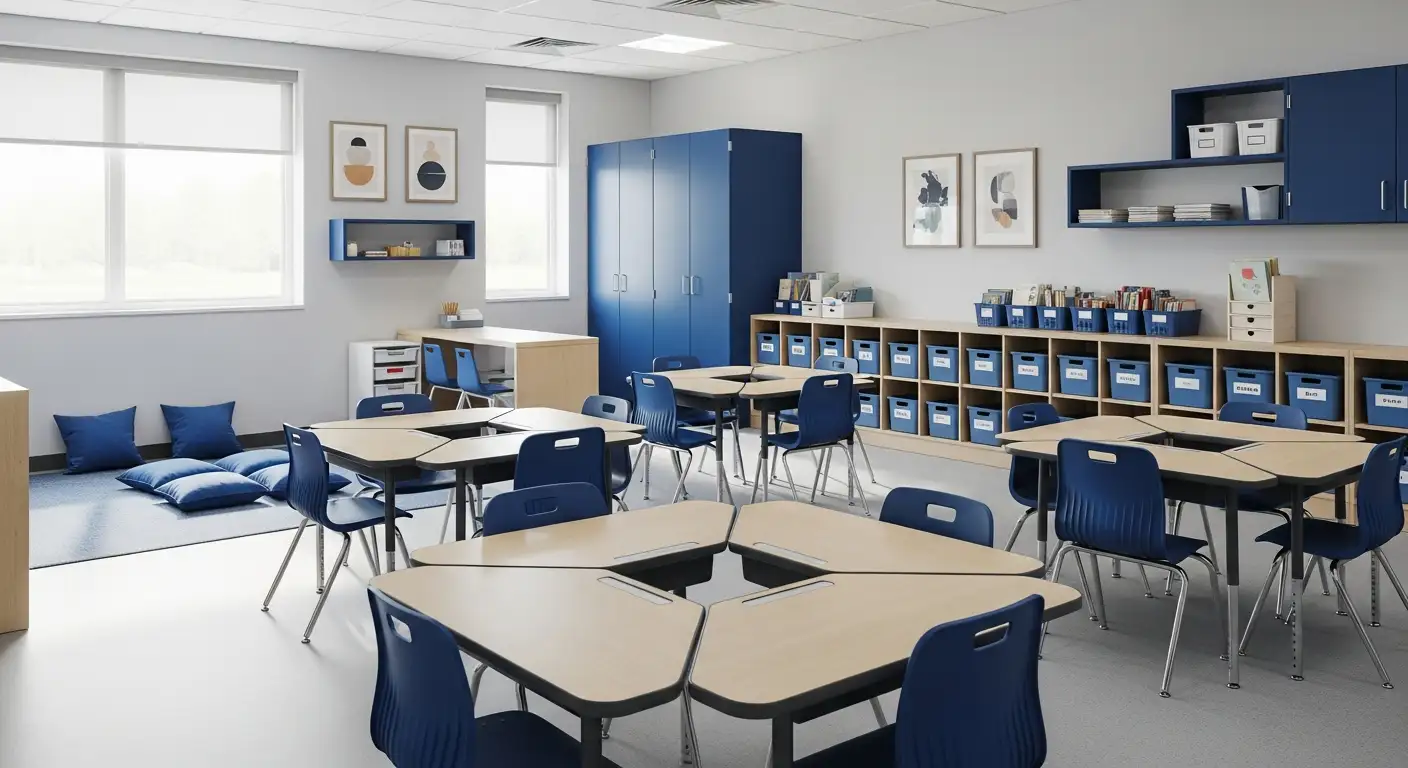
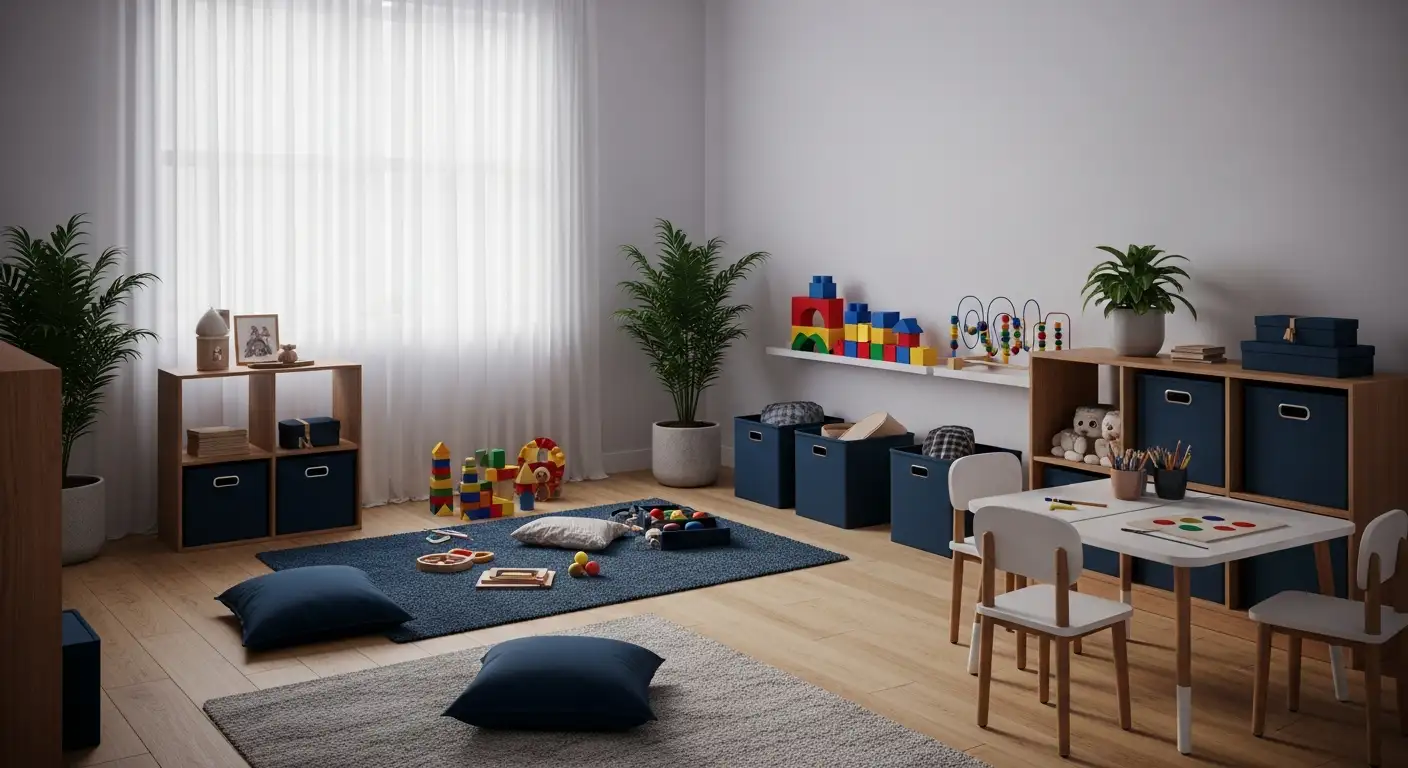
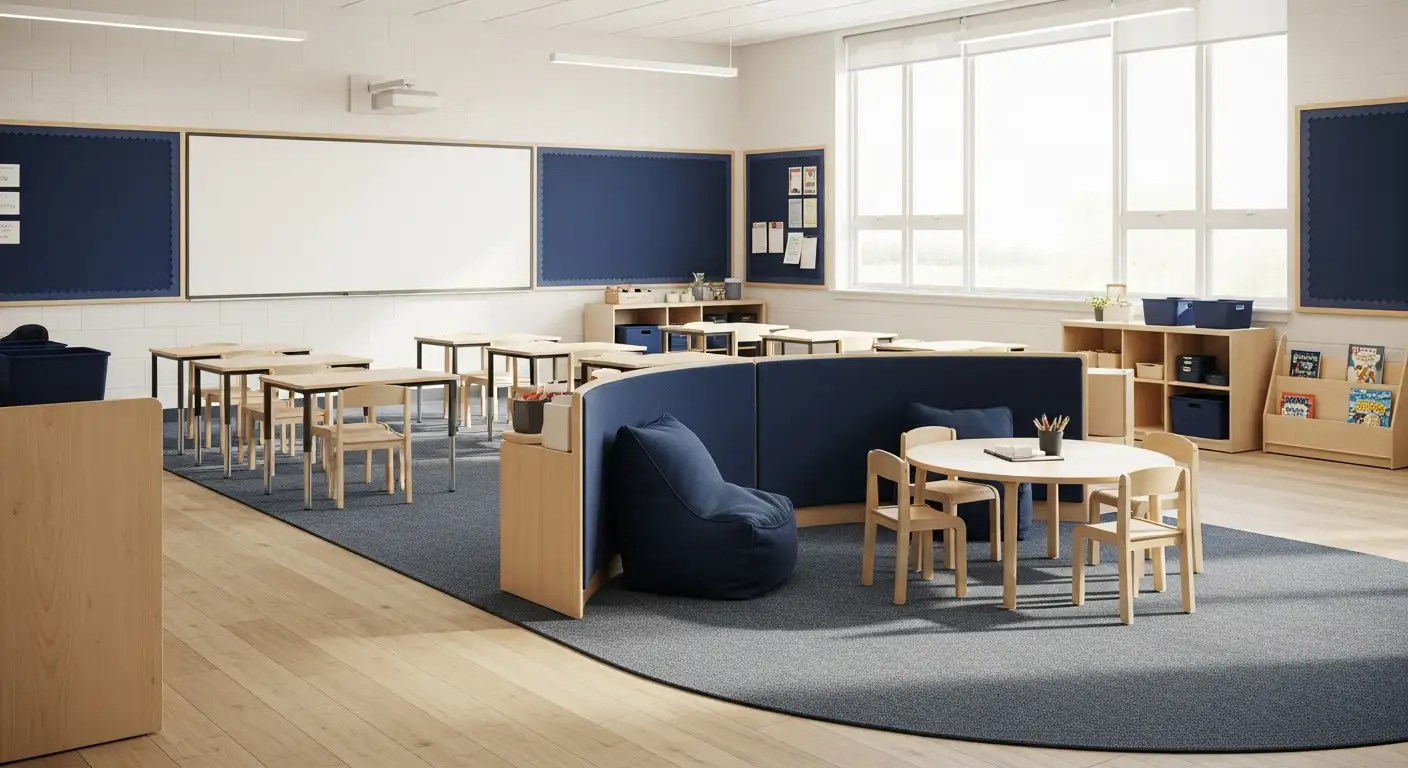
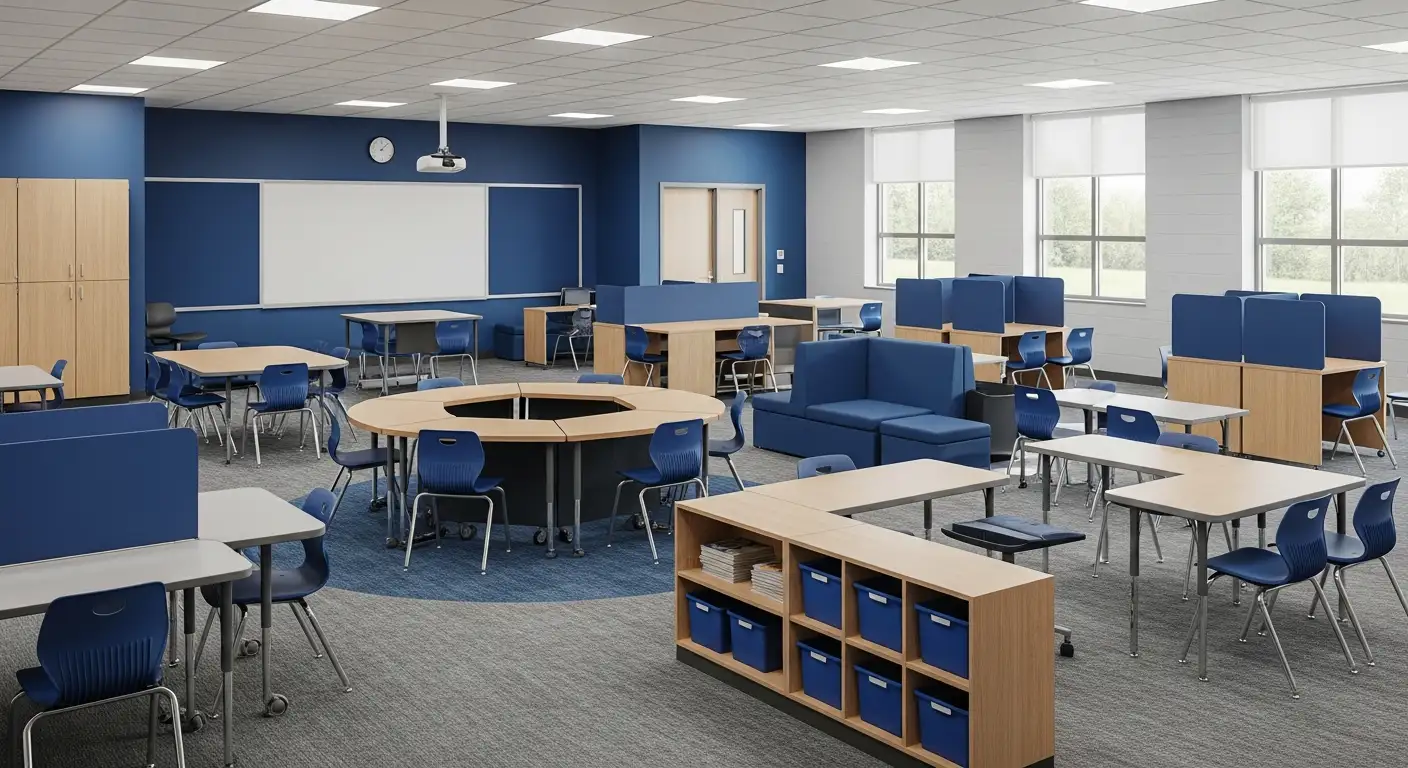
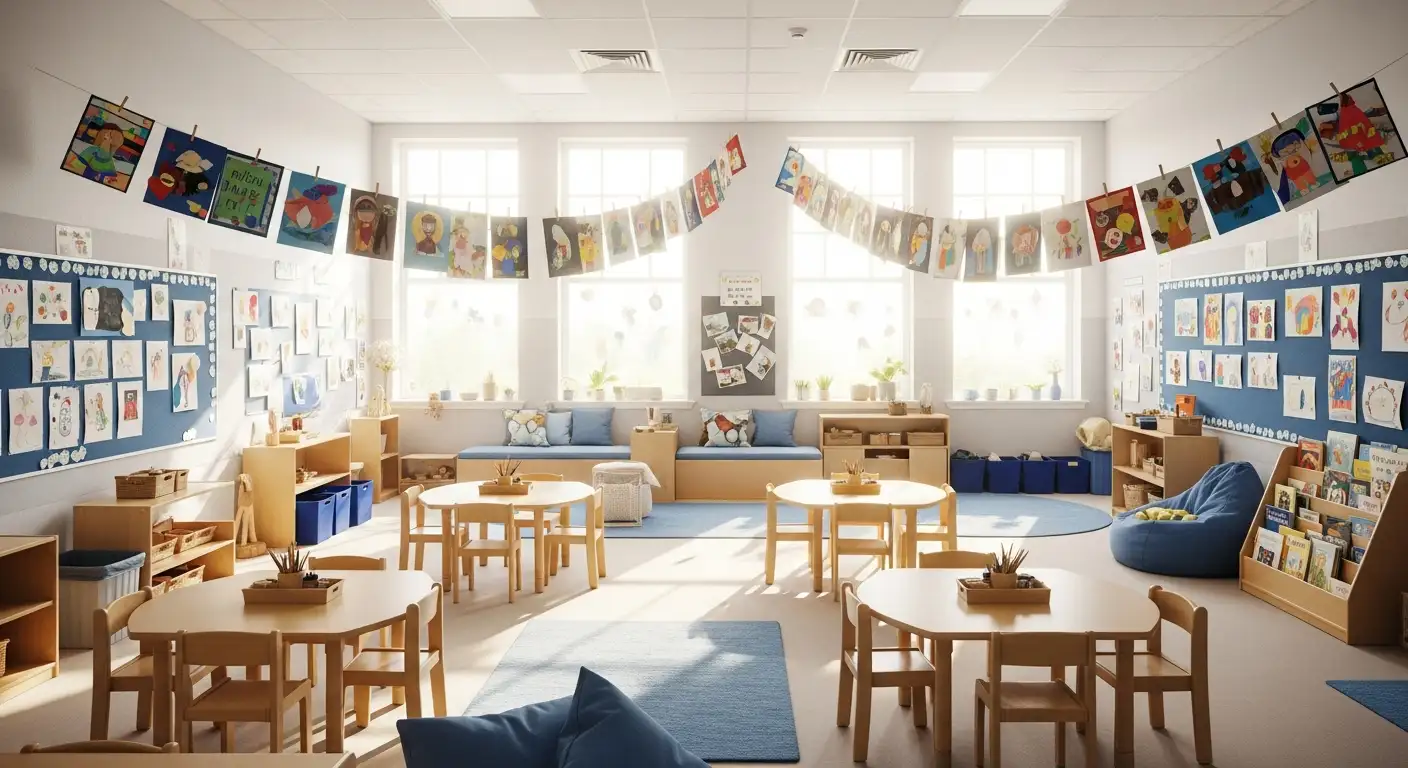
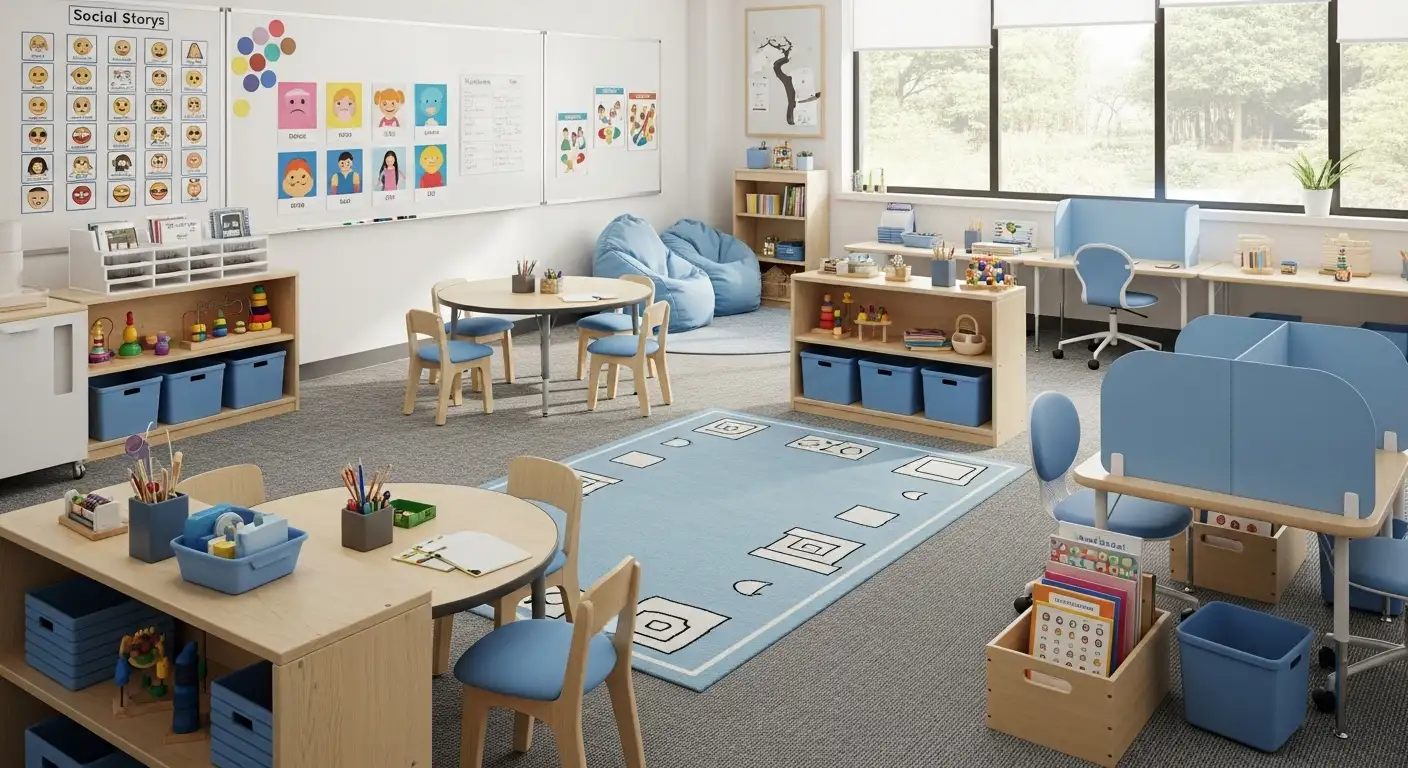
To reduce sensory overload, classrooms can be adapted by minimizing loud noises, using low-odor materials like markers, managing visual clutter, and arranging seating strategically. Allowing early transitions and pairing students with teachers to avoid overstimulating situations further supports sensory regulation.
Use of sensory-friendly tools
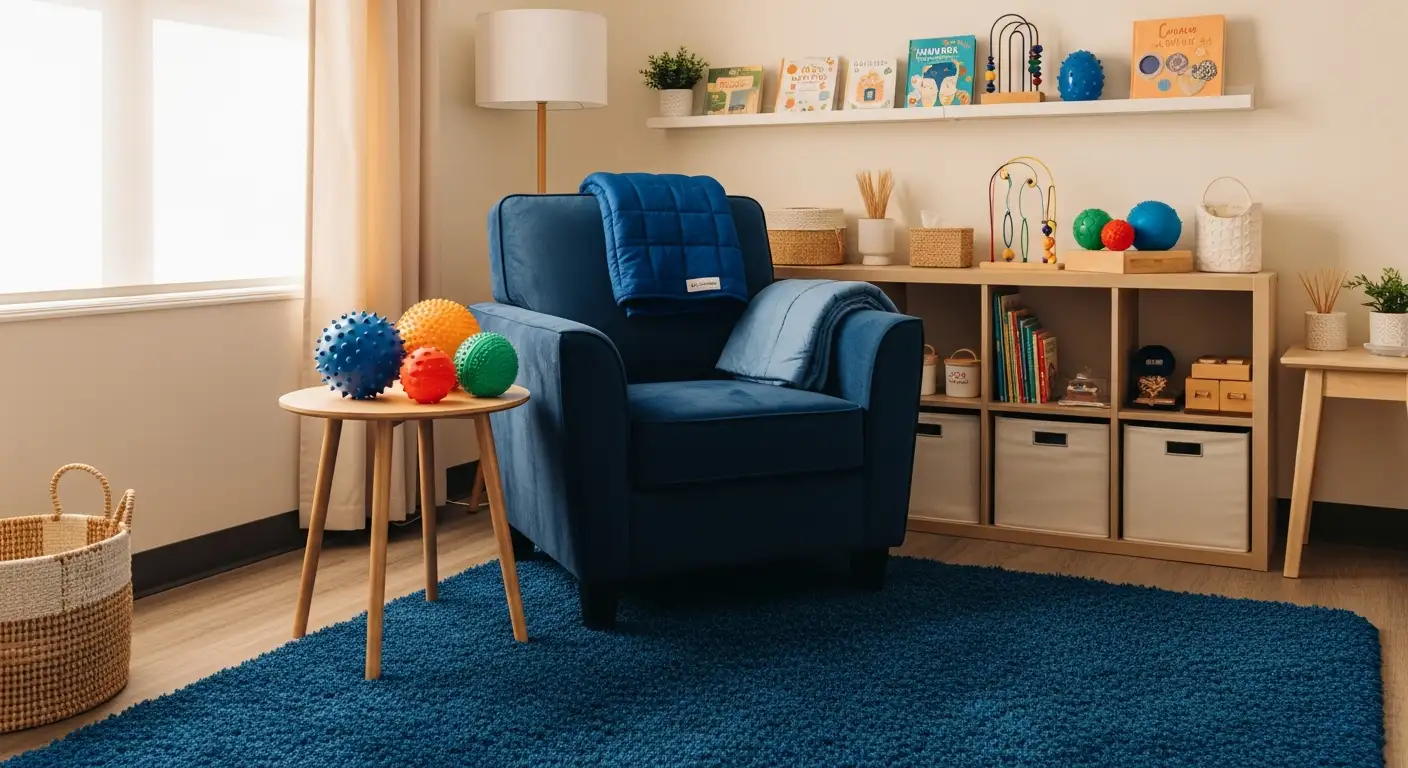
Providing sensory tools such as ear defenders or calming earbuds can help children handle noisy environments. Weighted lap pads, inflatable chairs, or Lycra undergarments offer tactile input for children who seek deep-pressure sensations. Similarly, noise-canceling headphones, fidget toys, and weighted blankets are valuable for maintaining focus and reducing stress.
Allowing movement breaks and alternative seating
Many children with autism benefit from options to move during the day. Incorporating movement breaks along with alternative seating like wobble cushions enables children who find sitting still difficult to self-regulate and remain engaged.
Creating calming spaces
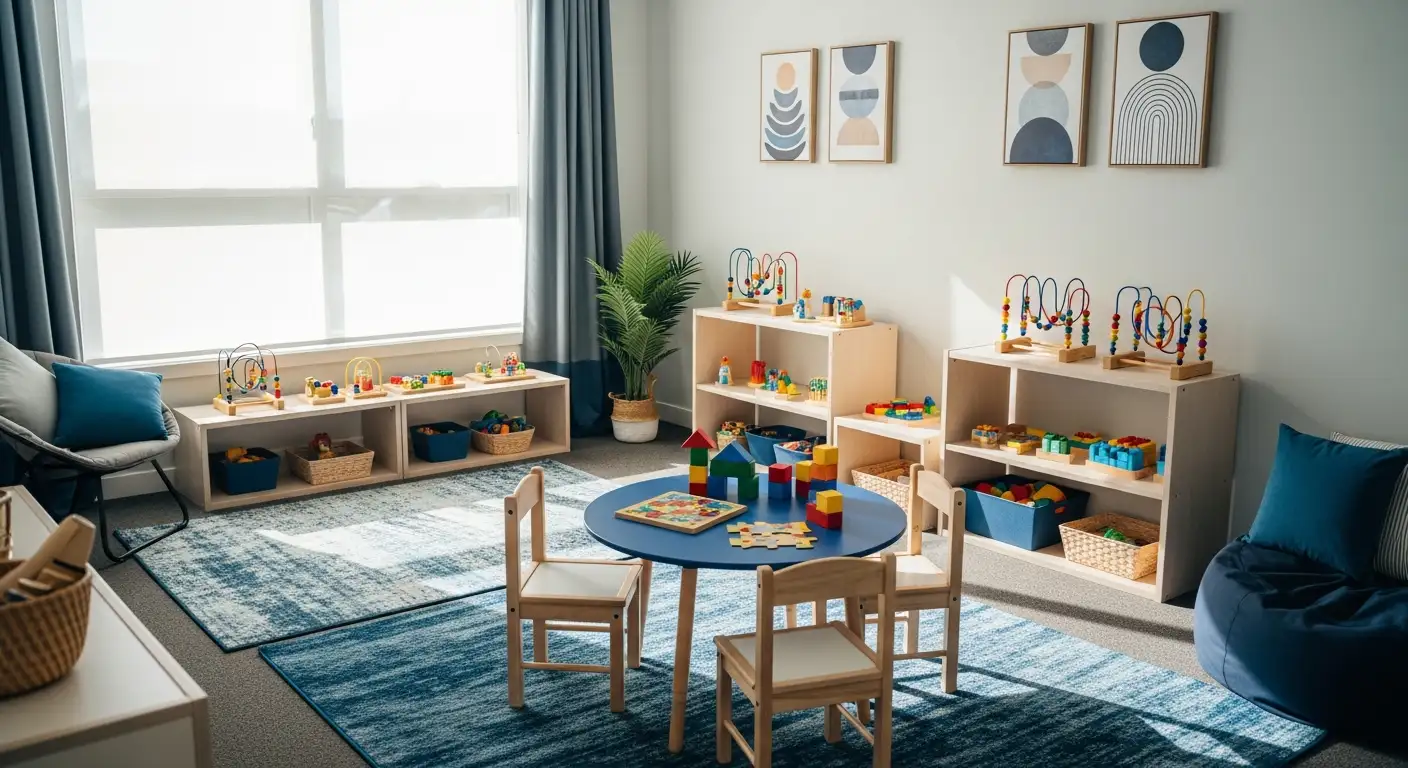
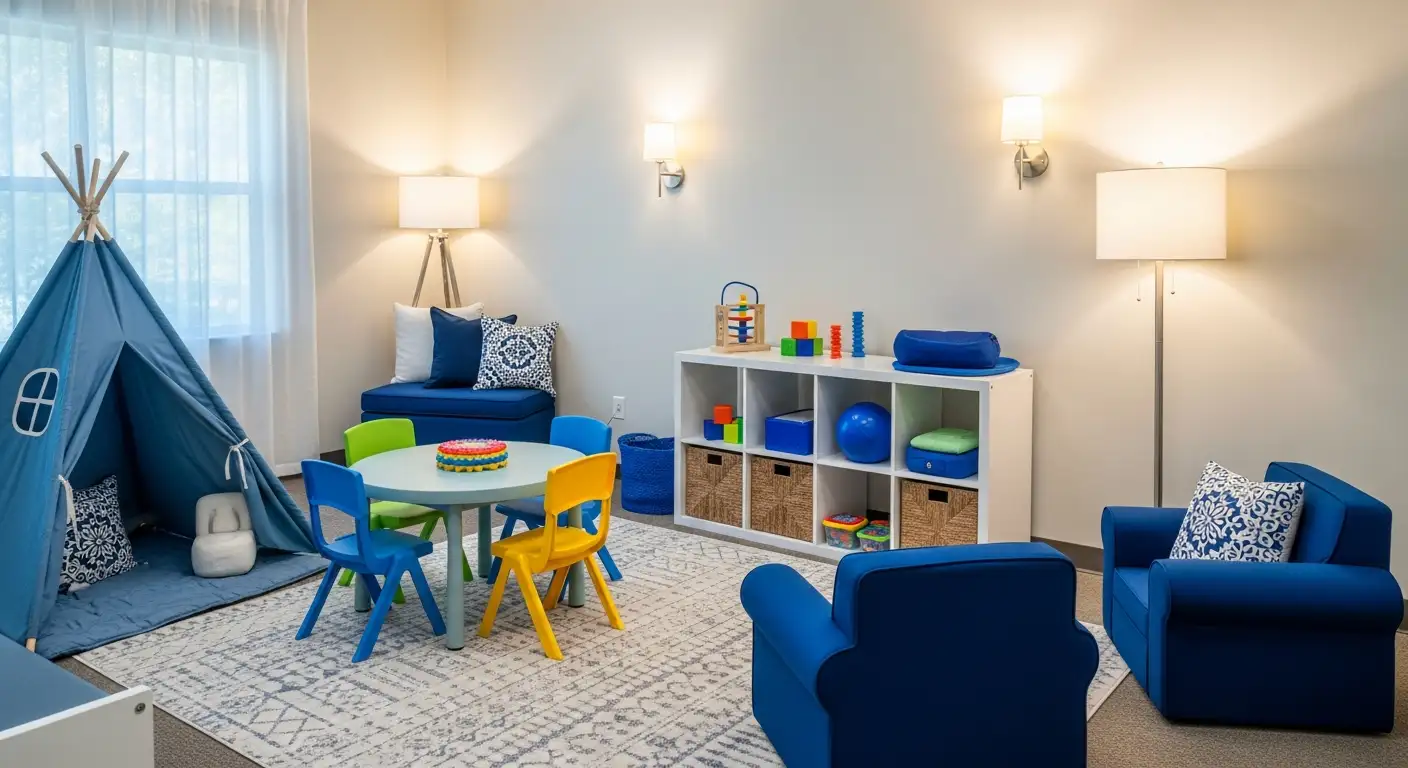
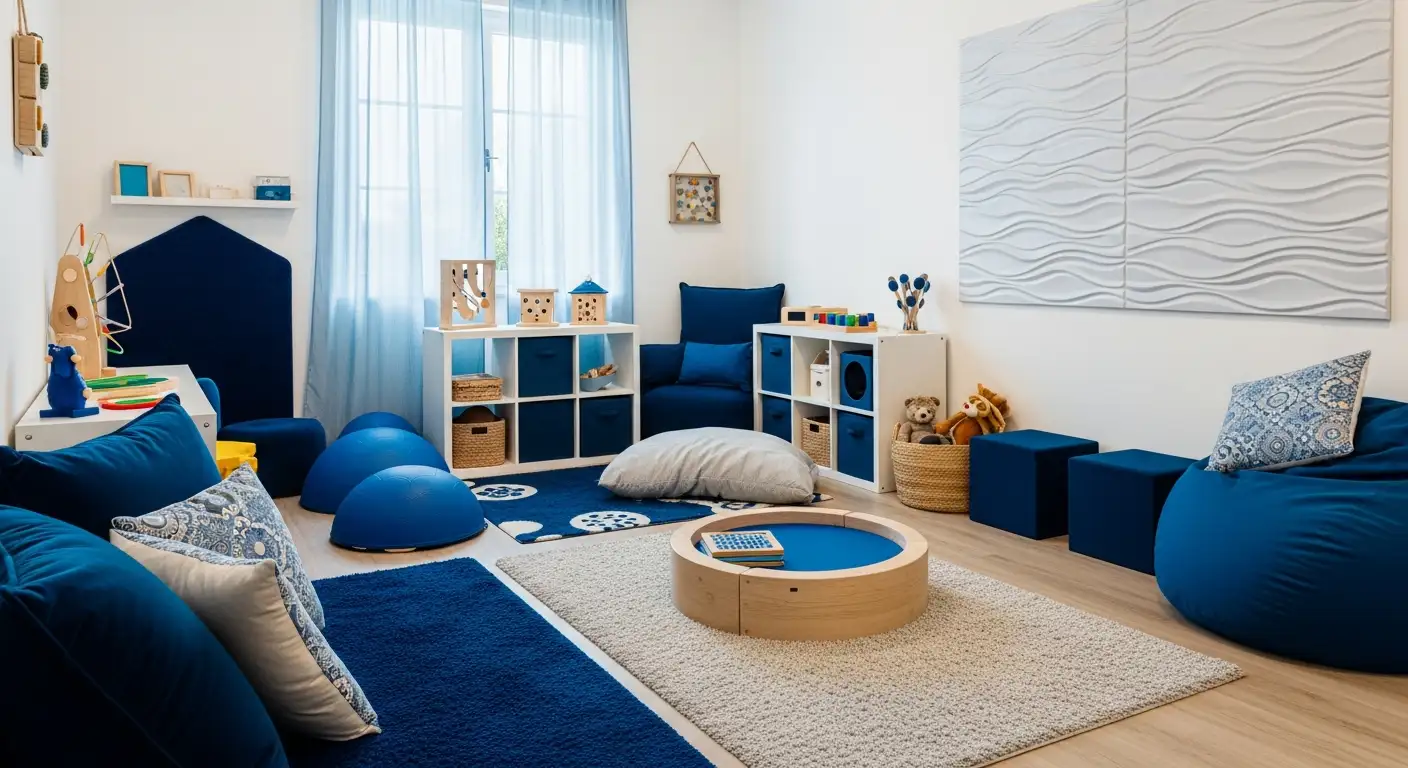
Designated calming areas within classrooms equipped with tents, bean-bags, and sensory toys provide children a place to de-escalate and regain a modulated state conducive to learning. These quiet zones help reduce anxiety and sensory overload.
Adjusting visual and olfactory stimuli
Simple adjustments such as changing text background colors or font size can ease visual stress. Additionally, masking unpleasant smells using preferred scents via accessories like sweatbands can help children sensitive to odors maintain comfort.
Providing oral and tactile sensory input
Children who seek oral sensory input benefit from alternatives like chew toys or crunchy snacks, while tactile seekers find weighted or compressive items soothing. Specialized oral care tools, including vibrating toothbrushes, assist those resistant to daily grooming.
Together, these sensory-focused modifications enable classrooms to become nurturing environments where children with autism can better manage sensory challenges, enhancing their focus, behavior, and participation.
Sensory Integration Therapy and Occupational Therapy Approaches
Role of Occupational Therapists in Sensory Modulation
Occupational therapists play a crucial role in helping children with autism manage sensory processing differences. They apply evidence-based sensory modulation strategies to regulate arousal levels, enabling children to attain an optimal state for attention, learning, and communication. These strategies often include activities that provide vestibular (movement), proprioceptive (body awareness), and deep-pressure tactile input tailored to each child's sensory profile.
Sensory Integration Therapy Techniques
Sensory Integration Therapy (SIT) is a specialized form of occupational therapy that focuses on improving the way children process and respond to sensory information from the environment. SIT uses structured, play-based activities designed to enhance the brain's ability to interpret signals from sight, sound, touch, taste, smell, balance, and body awareness. This approach can reduce anxiety, improve focus, motor skills, and behavior.
Structured, Play-Based Sensory Activities
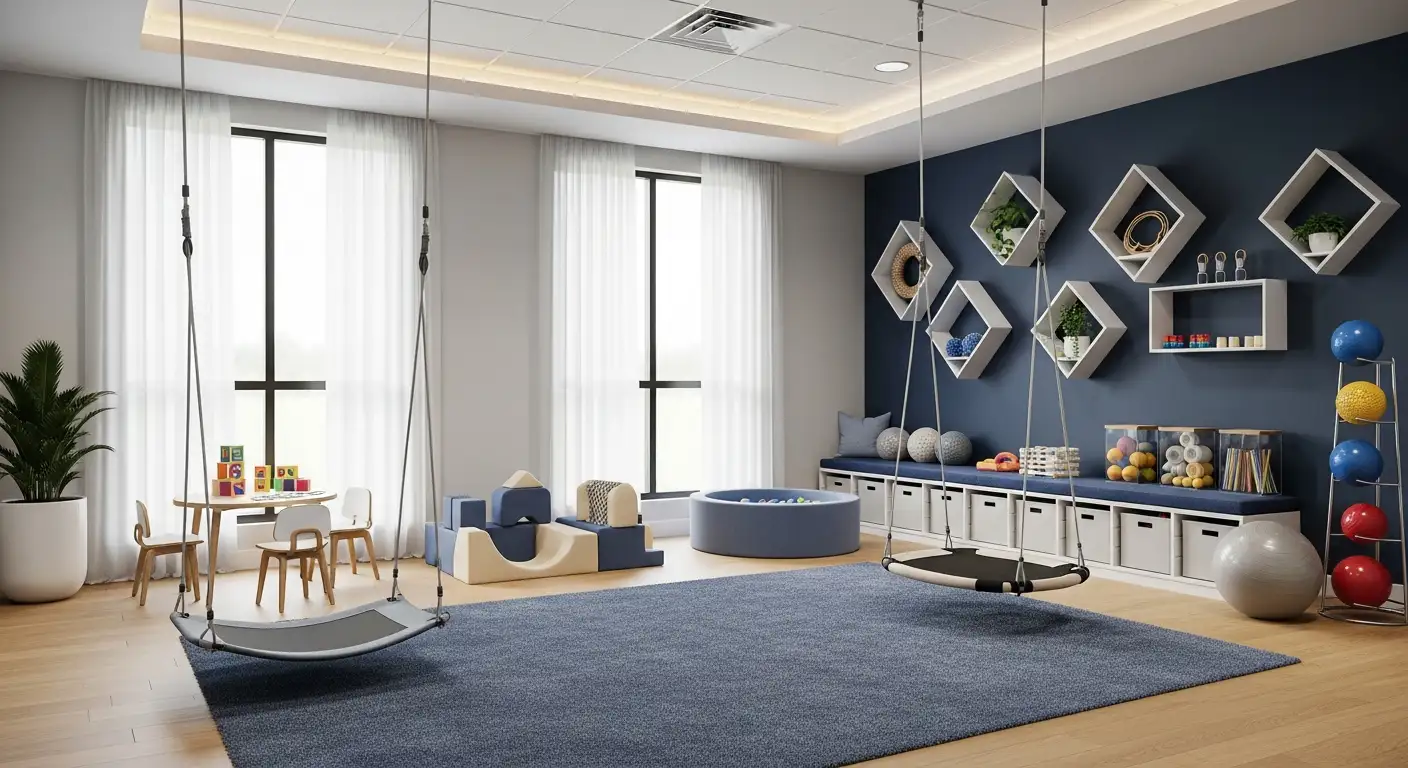
Typical SIT activities include swinging, bouncing, crawling through tunnels, and playing with various textures. These activities encourage children to actively engage with different sensory inputs in a controlled, enjoyable way. The sensory play not only helps children better interpret sensory signals but also promotes self-regulation and reduces sensory-related meltdowns.
Sensory Strategies to Regulate Arousal Levels
Sensory strategies aim to assist children in achieving a calm and focused state. Techniques such as movement breaks, deep pressure, and providing tactile input help regulate sensory overload or under-responsiveness. Incorporating movement or touch-based activities into daily routines supports children in sustaining attention and thriving in educational and social settings.
Use of Weighted Vests, Body Socks, and Tactile Tools
Specific sensory tools like weighted vests, body socks, and tactile objects provide proprioceptive and deep-pressure input, helping children who seek sensory feedback or require calming sensory input. These tools can improve a child's ability to attend and participate more fully in classroom or therapy sessions by promoting a sense of containment and focus.
Extension of Sensory Activities into Daily Routines
Sensory integration techniques extend beyond therapy sessions into everyday activities at home and school. Examples include sensory bins, obstacle courses, swinging, water play, heavy work tasks (like carrying groceries), use of weighted blankets, music and dance, bubble play, and nature walks. Incorporating these sensory experiences into daily life supports ongoing sensory regulation, builds confidence, and complements other therapeutic interventions such as ABA or speech therapy.
Applied Behavior Analysis (ABA) Therapy in Autism Support
What is Applied Behavior Analysis (ABA) therapy and how is it used to support individuals with autism?
Applied Behavior Analysis (ABA) therapy is a scientific approach that applies learning and behavior principles to help children with autism develop essential skills and reduce challenging behaviors. By focusing on individualized, evidence-based interventions, ABA assists in improving communication, social skills, attention, and everyday functioning.
ABA interventions use techniques such as positive reinforcement—rewarding desired behaviors to encourage repetition—and prompting, which helps the child perform specific tasks. Qualified behavior analysts (Board Certified Behavior Analysts or BCBAs) oversee these programs, ensuring they are tailored to each child's needs.
How ABA supports individuals with autism
ABA aims to increase functional skills like language and social interaction while decreasing behaviors that may hinder learning or safety. It accomplishes this through consistent, structured programming that often incorporates play-based and naturalistic teaching strategies. When caregivers participate and support ABA goals, skills are more readily generalized beyond therapy sessions.
Common ABA techniques
- Positive reinforcement: Praising or rewarding good behavior
- Prompting and fading: Providing assistance that is gradually removed
- Task analysis: Breaking complex tasks into smaller, manageable steps
- Token economies: Using tokens as rewards that can be exchanged for preferred items or activities
Role of behavior analysts and related professionals
Behavior analysts design, monitor, and adjust ABA programs while collaborating with occupational therapists and speech-language pathologists. This multidisciplinary team works together to address sensory needs and communication goals, enhancing the overall outcomes for the child.
ABA program customization and caregiver involvement
Every ABA program is customized according to a child's strengths and challenges. Involving caregivers helps to ensure skills transfer to home and school environments. Training and coaching parents and teachers on ABA methods empower them to reinforce learning consistently.
Integration of ABA with sensory strategies
Because children with autism often face sensory processing difficulties, ABA interventions are frequently combined with sensory strategies. Techniques like sensory integration therapy or providing calming spaces can help maintain an optimal arousal state. This complementary approach supports attention, reduces meltdowns, and promotes better engagement during ABA therapy and classroom activities.
| Aspect | Description | Benefits |
|---|---|---|
| ABA Therapy Definition | Scientific approach using learning principles | Develops functional skills, reduces behaviors |
| Common Techniques | Positive reinforcement, prompting, task analysis | Encourages skill acquisition |
| Professional Roles | Behavior analysts, therapists collaborate | Tailored, multidisciplinary support |
| Caregiver Involvement | Active participation and training | Ensures generalization and consistency |
| Sensory Integration | Combined use of sensory tools and strategies | Reduces sensory overload, enhances focus |
Professional Roles and Qualifications in ABA Therapy

Who typically provides ABA therapy and what qualifications do these professionals have?
ABA therapy is delivered by a range of trained professionals, including Board Certified Behavior Analysts (BCBAs), Registered Behavior Technicians (RBTs), and licensed behavior therapists operating under BCBA supervision.
BCBAs must have a master's degree in Applied Behavior Analysis or a related field, complete specialized graduate coursework, accumulate supervised practicum hours, and pass a stringent certification exam administered by the Behavior Analyst Certification Board (BACB).
RBTs, who play a supportive role implementing treatment plans, typically hold a high school diploma. They must complete a 40-hour training course, demonstrate competency through assessments, and work under ongoing BCBA supervision.
Many ABA services are provided through specialized companies staffed by clinicians and technicians with varying levels of certifications and clinical experience. These providers adhere to established ethical guidelines and participate in continuous professional development to maintain competence.
Supervision and training standards
Effective ABA therapy requires regular supervision of RBTs and behavior therapists by BCBAs, ensuring treatment fidelity and adherence to professional standards.
Ethical guidelines and professional development
All professionals follow ethical codes such as those provided by the BACB, emphasizing client dignity, confidentiality, and evidence-based practice. Ongoing training is mandatory to stay current with research and improve therapeutic outcomes.
Role of specialized companies and multidisciplinary collaboration
Specialized ABA companies coordinate services and foster collaboration among BCBAs, therapists, occupational therapists, speech-language pathologists, and educators. This multidisciplinary approach enhances individualized treatment plans and supports comprehensive development for children with autism.
Together, these roles and qualifications form the foundation for delivering effective, ethical, and evidence-based ABA interventions.
Monitoring and Enhancing the Effectiveness of ABA Therapy
How is the Effectiveness of ABA Therapy Monitored and Adjusted Over Time?
Monitoring the effectiveness of Applied Behavior Analysis (ABA) therapy relies on thorough, data-driven assessments. Therapists systematically collect data using frequency and duration recording methods, capturing how often and how long targeted behaviors occur. This quantitative data is essential to track changes and improvements over time.
Visual data analysis plays a vital role; charts and graphs display behavioral trends, offering clear insights into a child's progress. These visual tools help therapists and caregivers quickly identify patterns, strengths, and areas needing adjustment.
Standardized tools like the Verbal Behavior Milestones Assessment and Placement Program (VB-MAPP) and the Assessment of Basic Language and Learning Skills-Revised (ABLLS-R) provide structured evaluations of developmental and language milestones, supporting tailored intervention plans.
Therapists integrate progress reports and feedback from families and caregivers to add contextual understanding of behaviors, ensuring therapy remains responsive to real-life changes.
Advanced behavioral analysis software facilitates real-time data interpretation, empowering clinicians to modify intervention strategies or therapy intensity promptly.
Collaboration among multidisciplinary teams—including occupational therapists and speech-language pathologists—alongside strong family involvement, further refines therapy approaches, maximizing developmental gains.
For example, integrating behavioral management with sensory strategies has improved engagement, communication, and participation during therapy sessions, demonstrating the effectiveness of combining approaches to meet children's diverse needs.
Practical Classroom Strategies to Support Sensory and Behavioral Needs
How can visual schedules and supports assist children with autism?
Visual schedules provide clear, concrete representations of daily routines, helping children with autism anticipate and understand what to expect. This reduces anxiety and fosters independence by making transitions smoother and routines predictable.
What role do positive peer relationships play?
Encouraging friendships through group activities and buddy systems helps develop social skills. Techniques like modeling, prompting, and coaching enable children to practice social behaviors in supportive settings, enhancing their confidence and engagement.
Why are predictable routines and transitions important?
Establishing consistent routines and preparing children with visual or verbal cues make transitions less stressful. Predictability minimizes unexpected changes, reducing behavioral outbursts and supporting emotional regulation.
How can sensory-friendly spaces and tools be implemented?
Creating calm corners with tents, bean-bags, and sensory toys allows children to self-regulate when overwhelmed. Tools such as noise-canceling headphones, fidget toys, weighted blankets, wobble cushions, and ear defenders help manage sensory input and maintain focus.
How does using simple language and non-verbal cues promote independence?
Employing concrete, simple expressions along with gestures enhances understanding, especially for children who struggle with complex language. Programs like Incredible Years tailor communication to individual needs, supporting language development and self-regulation.
What is the benefit of positive reinforcement and token economies?
Using praise and token systems encourages desired behaviors effectively. These strategies provide tangible rewards and motivation, particularly suited for young learners, supporting sustained behavioral improvements.
How can allowing student choice during overwhelming activities help?
Offering options such as responsibility for a task or access to a quiet space empowers children to manage sensory overload. This fosters autonomy and helps children feel in control during challenging situations.
These strategies, when combined thoughtfully, create supportive classroom environments addressing the sensory and behavioral needs of children with autism, promoting their learning, engagement, and well-being.
Integrating Sensory and Behavioral Supports for Optimal Autism Education
Managing sensory overload in autism classrooms requires a multifaceted approach that combines environmental modifications, sensory integration therapies, and evidence-based behavioral interventions such as ABA. By recognizing the sensory needs of children with autism and collaborating closely with trained professionals—including occupational therapists and behavior analysts—educators can create supportive learning spaces that enhance focus, reduce anxiety, and promote social engagement. The consistent use of data-driven ABA programs tailored to sensory profiles further strengthens outcomes, empowering children to develop critical skills and participate more fully. Ultimately, thoughtful integration of sensory and behavioral strategies fosters inclusive classrooms where every child with autism has the opportunity to succeed.
References
- Ten simple sensory strategies for autistic children
- Supporting sensory needs at school
- Effective Classroom Strategies for Teaching Students with ...
- Sensory Strategies to Calm and Engage Children with ...
- Sensory Integration Therapy for Autism
- Applied Behavior Analysis (ABA)
- The Top 10 Reasons Children With Autism Deserve ABA
- 6 Benefits of ABA Therapy for Children with Autism
- 5 Benefits Of ABA Therapy For Autism
- ABA Techniques: Strategies for Behavior Analysts - GSEP Blog






















































































Attentive Autism Care delivers compassionate, home-based ABA therapy, offering personalized support to help children with autism thrive and achieve their best.
