

How to Teach Friendship Skills to Autistic Teens
Building Bridges: Effective Strategies for Teaching Friendship Skills to Autistic Teens
Understanding the Challenge: Social Skills Development in Autistic Teens
Autistic teens often face unique challenges in building and maintaining friendships due to difficulties with social communication, understanding social cues, and initiating interactions. Unlike neurotypical peers, these teens usually require explicit and structured teaching of social skills to navigate complex social environments effectively. This article explores evidence-based approaches and innovative methods for teaching friendship skills to autistic adolescents, ensuring interventions are both tailored and impactful.
The Importance of Social Skills Instruction for Autistic Teens
Why do autistic teens need explicit social skills teaching?
Autistic teens face distinct challenges in social functioning. These include difficulty initiating interactions, responding to others appropriately, and understanding non-verbal cues such as facial expressions or body language. Unlike their neurotypical peers who often learn social skills naturally through everyday social exposure, autistic teens usually require explicit, structured teaching to acquire these abilities.
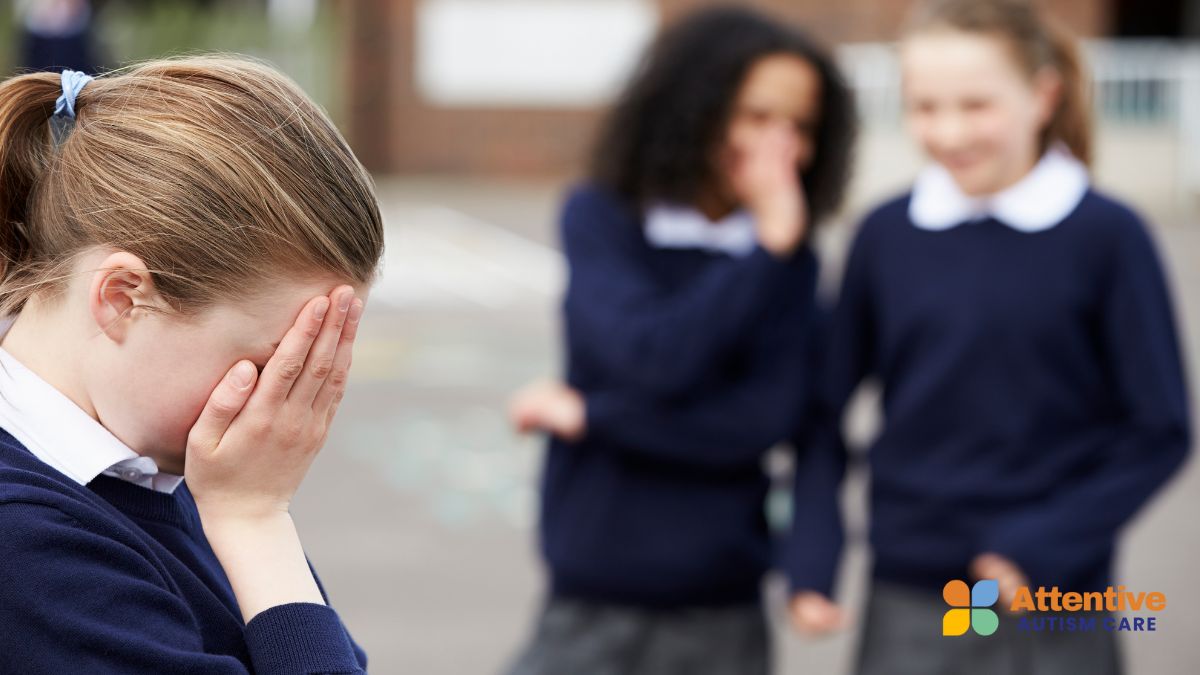
Without intentional instruction, deficits in social skills can result in significant difficulties. Many autistic teens experience peer rejection and social failure, which can lead to anxiety, depression, and poor academic achievement. Despite these challenges, many autistic teens desire social connection and involvement but lack the skills to engage effectively. This mismatch can sometimes cause social anxiety or withdrawal.
Targeted social skills instruction helps address this gap by providing clear, step-by-step guidance on social rules and behaviors. This education often involves role-playing, modeling, and direct feedback, enabling autistic teens to practice and apply new skills in varied settings. Research supports that such interventions can improve social competence and overall quality of life.
Structured programs recognize that each individual has different needs and interests, making assessment and customized intervention vital for success. For example, interventions that combine group interaction, peer role-play, and positive reinforcement have proven effective. Additionally, incorporating parents and educators as coaches helps generalize skills to real-world scenarios.
In summary, explicit social skills teaching is essential for autistic teens to overcome innate challenges, build meaningful relationships, and mitigate the negative outcomes associated with social skill deficits.
Overview of Applied Behavior Analysis (ABA) Therapy in Autism Support
What is Applied Behavior Analysis (ABA) therapy and how is it used to support individuals with autism?
Applied Behavior Analysis (ABA) therapy is a scientifically grounded intervention designed to teach individuals with autism essential skills by breaking them down into manageable steps. Using principles of learning and motivation, ABA employs reinforcement, prompting, and repetition to encourage positive behaviors. This therapy specifically targets the development of social, communication, academic, and daily living skills.
ABA therapy is highly structured yet flexible, allowing for tailored programs based on individual needs. It systematically reinforces desirable behaviors while reducing those that may hinder social functioning, making it a cornerstone in autism support.
Role in developing social and communication skills
ABA therapy plays a significant role in improving social interactions and communication by focusing on skills that autistic individuals often find challenging. These include initiating conversations, responding appropriately, understanding non-verbal cues, and managing social anxiety.
Structured teaching within ABA involves modeling appropriate responses and providing consistent practice, often through role-playing and peer interaction. The approach ensures that autistic teens and children acquire actionable social skills, which they may not develop simply through exposure alone. This targeted skill acquisition can lead to improved peer relationships, reduced anxiety, and better academic outcomes.
Settings and delivery of ABA therapy
ABA therapy is versatile and can be delivered across multiple settings including homes, schools, and community environments. It often incorporates naturalistic techniques such as play-based learning and real-life scenarios to enhance generalization of skills outside of therapy sessions.
Delivery can be individualized or involve small groups, where peer-mediated strategies encourage natural social engagement. Parental and caregiver involvement is integral, supporting skill reinforcement in daily routines.
Research continues to support ABA as an evidence-based practice, with ongoing improvements to methods and delivery to maximize effectiveness and accessibility.
Key Providers of ABA Therapy Services
Who typically provides ABA therapy services?
ABA therapy services are primarily delivered by specialists known as Board Certified Behavior Analysts (BCBAs). BCBAs are highly trained professionals who design and oversee individualized treatment plans tailored to each child's needs. They conduct assessments, develop objectives, and monitor progress to ensure effective outcomes.
Paraprofessionals and therapists work closely with BCBAs by implementing the day-to-day therapy sessions. These practitioners are trained by BCBAs to use behavior analytic techniques consistently and effectively under supervision.
Qualifications of professionals
BCBAs are required to complete rigorous coursework and supervised practical experience before obtaining certification. This credential ensures a deep understanding of behavior analysis principles and their application in autism therapy.
Paraprofessionals and therapists generally receive specialized training in ABA methodologies but do not hold BCBA certification. Their role is crucial for consistent therapy delivery and reinforcing learned skills in various settings.
Settings where ABA is delivered
ABA therapy is delivered in a range of environments including clinics, private practices, schools, and homes. Many specialized organizations dedicated to autism support offer structured programs in these settings to facilitate generalization of skills across contexts.
This multidisciplinary approach combining certified analysts and trained support staff within familiar environments maximizes the effectiveness of ABA therapy for autistic individuals.
Measuring the Effectiveness of ABA Therapy for Social Skills
How is the effectiveness of ABA therapy measured in individuals receiving treatment?
Effectiveness of ABA therapy is primarily measured through systematic data collection on specific target behaviors over time. Consistent tracking allows therapists to monitor progress relative to predefined goals, ensuring individualized attention to areas needing improvement.
Data collection and progress monitoring
In practice, therapists gather detailed data points during sessions, charting changes in social interaction skills. Graphical analyses of this data help identify trends and assess whether behavioral modifications are occurring as expected. This ongoing evaluation is critical for adjusting treatment strategies promptly.
Standardized assessment tools
Several standardized tools support objective measurement of social skill development in ABA therapy. The Vineland Adaptive Behavior Scales assess adaptive behaviors broadly, while the Verbal Behavior Milestones Assessment and Placement Program (VB-MAPP) focuses on language and social milestones relevant to autism.
Role of parent feedback and generalization
Parent involvement plays an important role in ABA therapy effectiveness. Through feedback and participation in home-based activities, parents help ensure that skills learned in therapy sessions generalize to real-life environments. Their observations can highlight challenges or improvements that might not be apparent within the clinical setting.
Use of technology and analytics
Advances in technology also contribute to ABA effectiveness measurement. Tools like the Patient Outcome Planning Calculator (POP-C) help determine appropriate treatment intensity tailored to individual needs. Analytical software facilitates data organization and comprehensive evaluation of therapy outcomes.
Together, these approaches provide a robust framework for assessing social skills development in autistic teens undergoing ABA therapy, enabling personalized and evidence-based adjustments to maximize benefits.
Assessing Social Functioning: The Foundation for Effective Intervention
What initial assessments are recommended before starting social skills interventions?
Effective social skills intervention for adolescents with autism spectrum disorder (ASD) begins with a thorough assessment of social functioning. Key tools include the Autism Social Skills Profile (ASSP), a specialized measure designed to evaluate social behaviors, strengths, and challenges unique to individuals with autism.
Alongside standardized tools like the ASSP, structured behavioral observations provide critical insights by capturing real-time social interaction patterns in naturalistic or controlled settings. These observations allow practitioners to note nuances in social initiation, responses to peers, and non-verbal communication.
Differentiating Between Skill Acquisition and Performance Deficits
A vital aspect uncovered during assessment is whether social difficulties arise from skill acquisition deficits or performance deficits. Skill acquisition deficits mean that the individual has not yet developed a specific social skill, necessitating teaching and practice.
In contrast, performance deficits occur when the person possesses the skill but fails to consistently demonstrate it, possibly due to anxiety, motivation, or environmental factors. Understanding this distinction is crucial because it shapes intervention strategies — for example, teaching new skills or enhancing existing ones through practice and support.
Integrating Assessment Results into Intervention Planning
By combining data from the ASSP and structured observations with the acquisition versus performance analysis, professionals can tailor social skills programs to individual interests and needs. This individualized approach increases the likelihood of meaningful social development and peer integration in diverse settings such as schools or therapeutic groups.
Tailoring Social Skills Programs to Individual Needs
Why is it important to tailor social skills interventions for autistic teens?
Autistic teens are a diverse group with varying abilities, interests, and responses to different teaching methods. This diversity means that no single approach works equally well for everyone. Personalized social skills programs consider these individual differences to ensure the intervention is both engaging and effective.
Importance of personalized interventions
Personalizing approaches helps address each teen's unique social challenges and strengths. When programs are tailored, participants are more likely to stay motivated and actively participate, which increases the chances of meaningful social development. For example, some teens might respond better to structured group lessons with role-playing, while others benefit more from improvisation games or technology-assisted training.
Considering interests and responses of teens
Incorporating a teen's personal interests into interventions can make social learning feel more relevant and enjoyable. Continuous monitoring of their reactions and progress provides valuable feedback. This way, strategies can be adjusted if an approach is less effective or if engagement drops, thus maximizing the intervention's impact.
Adjusting strategies based on continuous assessment
Assessing social functioning regularly using tools like structured observations or social skills profiles identifies whether the teen needs to acquire new skills or improve performance of existing ones. This information guides the selection or modification of techniques such as video modeling, peer-mediated interactions, or counselor-led activities. Such flexibility ensures that interventions evolve in step with the teen's development.
Ultimately, tailoring social skills programs to individual needs is essential for fostering successful social interactions and building confidence among autistic teens. This personalized, responsive approach supports sustained progress and helps teens achieve meaningful connections in their daily lives.
Structured Learning Models for Teaching Friendship Skills
What Role Does Structured Learning Play in Developing Social Skills?
Structured learning is an effective approach designed to help high-functioning autistic teens develop their social skills through well-organized group instruction. This method leverages several interactive components including modeling, role-playing, and peer interaction.
Modeling serves as a way for teens to observe and learn appropriate social behaviors and responses in a predictable and supportive setting. Role-playing puts these observations into practice, allowing participants to rehearse conversational skills, conflict resolution, and social initiation in a risk-free environment.
Peer interaction is another critical element that encourages natural social engagement among teens. Within these structured group settings, autistic adolescents have the opportunity to build familiarity with social cues and foster friendships by practicing real-life social dynamics.
By systematically integrating instruction and practice, structured learning environments help teens internalize social rules and gain confidence in their interactions. Research supports this approach as particularly beneficial for high-functioning autistic teens who might otherwise struggle with unstructured social settings.
This collaborative and experiential learning approach also supports sustained skill acquisition because teens can receive immediate feedback from peers and facilitators, helping them refine their behaviors over time. Ultimately, structured learning models guide autistic adolescents toward building and maintaining meaningful peer relationships, addressing common social skill deficits experienced by this group.
The Socio-Dramatic Affective Relational Intervention (SDARI) Approach
What is SDARI and how does it support social skills development?
SDARI, or Socio-Dramatic Affective Relational Intervention, is a distinctive social skills training method designed to enhance the social competence of autistic teens and children. Unlike traditional structured learning programs, SDARI uses improvisation games as its core activity, providing a playful yet meaningful context in which participants can practice and improve social interaction skills.
This approach embeds rewards within its social activities, which motivates participants by making the learning process enjoyable and intrinsically reinforcing. By weaving positive feedback and incentives into the games themselves, it encourages continuous engagement and effort from teens who might otherwise feel apprehensive about social situations.
Another important facet of SDARI is the emphasis on building positive and supportive relationships between the participants and their counselors. These strong connections create a safe and trusting environment where participants feel comfortable experimenting with new social behaviors and expressing emotions. Counselors serve not only as guides but also as empathetic allies, fostering an atmosphere conducive to learning friendship skills and emotional recognition.
Through this multilevel approach—combining improvisation, rewarding social participation, and relational support—SDARI effectively promotes the development of social skills, enhancing the ability of autistic teens to interact confidently and meaningfully with others.
Peer-Mediated Interventions: Encouraging Natural Social Interactions
Training peers to initiate and respond socially
Peer-mediated interventions are a social skills training approach where typically developing peers are trained to initiate and respond to social interactions with autistic teens. This method promotes more authentic and natural social engagement by leveraging the influence of peers within daily environments like school and community settings. Peers serve as social models, helping autistic individuals practice and generalize social behaviors in real-life contexts.
Enhancing genuine social engagement
By empowering peers to take an active role, autistic teens experience more meaningful social interactions that go beyond artificial or adult-led scenarios. This dynamic helps reduce social anxiety and fosters comfort within peer groups. Encouraging peers to respond positively and consistently reinforces social norms and increases opportunities for repeated social practice, enhancing skill acquisition and performance.
Integration within school and community settings
Peer-mediated programs are most effective when embedded in naturalistic settings such as classrooms or extracurricular activities. Schools often incorporate buddy systems or peer coaching within structured social skills lessons and friendship interventions. These programs also support the development of friendships by facilitating social initiation, turn-taking, and conversational skills through peer involvement. Adults typically provide guidance but the interactions remain primarily peer-driven, creating a supportive social environment.
This approach complements other interventions like PEERS® and role-play methods by providing practical, real-world social opportunities. It can be tailored according to individual interests and strengths, improving the chances of successful social skills development and positive social outcomes for autistic teenagers.
Video Modeling and Video Self-Modeling (VSM) Techniques
Teaching New Skills Through Video Examples
Video modeling is an effective strategy in social skills training for autistic children, involving the use of videos demonstrating desired behaviors. By watching these examples, children can learn new skills in a clear and structured way. This visual approach is particularly helpful for those who benefit from seeing concepts in action rather than just hearing explanations.
Enhancing Performance and Reducing Problem Behaviors
Video self-modeling (VSM) takes this concept a step further by showing children videos of themselves successfully performing targeted social behaviors. This technique not only teaches new skills but also boosts confidence and motivation. Research has shown that VSM can reduce problem behaviors by reinforcing positive actions children can relate to personally.
Application in Social Skills Training
Both video modeling and VSM have proved valuable in interventions focused on social skills development among autistic youth. They allow for consistent practice, repetition, and the opportunity to observe social cues in varied scenarios. These approaches complement other strategies like role-playing and peer-mediated interventions, providing a multimedia toolset to address skill acquisition and performance deficits effectively.
Addressing Emotional Understanding Through Practical Activities
Using facial expressions and emotion categorization
Teaching autistic teens to interpret and express emotions can be greatly enhanced by focusing on facial expressions. Many teens on the spectrum struggle with recognizing and categorizing emotions, which affects their social interactions. Activities that encourage them to make and identify different facial expressions help build this foundational understanding.
Visual aids and hands-on projects like making faces or biscuits
One effective practical method involves using visual aids combined with hands-on projects. For example, making biscuits with faces representing different emotions—such as happy, sad, or angry—engages teens in a sensory and creative way. This approach provides a tangible and memorable tool for learning emotional cues.
Visuals like emotion charts and flashcards complement these exercises by offering reference points that teens can revisit. These tools reinforce the link between facial expressions and emotional states and increase the likelihood that teens will generalize this knowledge to real-life scenarios.
Helping teens interpret and express emotions
Beyond recognition, encouraging teens to express their own emotions is crucial. Role-playing games and guided discussions about feelings foster emotional vocabulary development and communication skills. These interactive methods create a supportive environment where teens can safely practice interpreting others' emotions and sharing their own.
Integrating these activities into social skills programs helps teens develop empathy and emotional insight, which are essential for forming and maintaining peer relationships. The combination of hands-on tasks and visual aids makes emotional learning concrete, enjoyable, and more effective.
Teaching Conversational and Turn-Taking Skills
Role-playing Entering Games
Role-playing games that simulate entering ongoing social interactions help autistic teens practice conversation initiation in a safe, structured environment. These activities model how to approach peers, recognize social cues, and engage appropriately, bridging the gap between theory and real-world application.
Use of Tools Like Talking Sticks and Board Games
Physical tools such as talking sticks encourage turn-taking by clearly signaling whose turn it is to speak, reducing confusion and anxiety during group conversations. Similarly, board games provide a natural framework for interaction, promoting patience and reciprocal communication among players while reinforcing social rules.
Rehearsing Scripts and Conversational Frameworks
Rehearsing scripted conversations helps autistic teens gain confidence by familiarizing them with common social exchanges. These scripts offer predictable structures for initiating, maintaining, and ending conversations, and can be adapted over time to fit varied social scenarios. Practicing these frameworks with peers or mentors solidifies skill acquisition and readiness for spontaneous interactions.
Conflict Resolution and Resilience Building
Using Visual Aids to Address Social Mistakes
Visual aids play a crucial role in helping autistic teens recognize and understand social mistakes. Tools such as illustrated stories, emotion cards, and step-by-step guides enable clearer communication about what went wrong and how to handle similar situations differently in the future. By providing concrete examples, these visuals break down abstract social concepts into manageable lessons.
Understanding Emotions Behind Conflicts
Helping teens with autism decode the emotions involved in conflicts is essential for effective resolution. Activities that focus on categorizing emotions—like discussing facial expressions through games such as making biscuits with faces—allow teens to better understand both their own feelings and those of others during disagreements. This emotional insight promotes empathy and supports positive social interactions.
Promoting Realistic Discussions About Social Challenges
Engaging autistic adolescents in candid conversations about social difficulties fosters resilience. Realistic discussions guided by counselors or educators can cover common experiences such as misunderstandings, peer rejection, or rule violations during group activities. These conversations help teens develop problem-solving skills and prepare them to manage future social challenges with confidence.
Together, these strategies equip high-functioning autistic teens not only to resolve conflicts but also to build emotional resilience. When combined with role-playing and peer interaction techniques, these approaches create a comprehensive framework for nurturing successful social skills development.
Technology-Based Social Skills Training Interventions
What Are Behavioral Intervention Technologies (BITs)?
Behavioral Intervention Technologies (BITs) are innovative tools that use digital platforms to provide social skills training (SST) for autistic youth. These technologies include computer programs, avatars, and therapeutic robots designed to simulate social interactions and teach appropriate social behaviors.
How Are Computer Programs, Avatars, and Therapeutic Robots Used in Social Skills Training?
Computer programs and avatars create immersive virtual environments where autistic teens can practice social scenarios safely and repeatedly. Therapeutic robots offer interactive, engaging activities that encourage communication and social engagement. These tools provide consistent feedback and allow learners to progress at their own pace.
How Effective Are Technology-Based Interventions Compared to Face-to-Face Training?
A meta-analysis comparing 14 face-to-face SST (F2F-SST) and four BITs-SST trials found both methods significantly improve social skills in youth with autism spectrum disorder. Effect sizes were medium to large (g=0.81 for F2F-SST and g=0.93 for BITs-SST). Moreover, no significant difference was observed in the efficacy of BITs-SST versus traditional face-to-face methods (p=0.59). This suggests technology-based interventions can be as effective as in-person programs.
Advantages of Technology-Based Social Skills Training
- Accessibility: Enables training for individuals who may face challenges attending in-person sessions.
- Consistency: Offers structured, repeatable practice opportunities.
- Engagement: Uses interactive graphics and robotics to maintain interest.
The emergence of BITs also holds promise for delivering social skills training during times when face-to-face interaction is limited, such as during the COVID-19 pandemic.
These findings support the integration of technology-based methods alongside conventional approaches to enhance social development opportunities for autistic teens.
Face-to-Face Social Skills Training (F2F-SST): Evidence and Methodology
Manualized Protocols in Group Settings
Face-to-face social skills training (F2F-SST) for adolescents with autism spectrum disorder often utilizes manualized protocols. These protocols provide a structured curriculum designed to teach social skills systematically in group environments, which facilitates peer interaction and learning. Group settings enable participants to practice new skills in a safe and supportive atmosphere, enhancing their ability to generalize social behaviors to real-world situations.
Retention of Effects Post-Treatment
Research shows that the benefits of F2F-SST are maintained beyond the active treatment phase. Follow-up assessments conducted three to four months after the conclusion of the training demonstrate that participants continue to exhibit improved social functioning. This retention indicates the lasting impact of these interventions on social skills, confirming their value as a sustainable support strategy for autistic teens.
Role-Playing and Behavioral Rehearsal
Role-playing and behavioral rehearsal are fundamental components of F2F-SST programs. These techniques allow autistic adolescents to repeatedly practice conversational skills, conflict resolution, and other social interactions. Through demonstration and guided practice, abstract social concepts become concrete, making them more accessible and easier to apply outside the training sessions. This hands-on approach aids in overcoming social skill deficits by fostering confidence and competence in social settings.
Promoting Friendship Through Adult-Mediated Activities
How Are Parents, Teachers, and Counselors Involved in Facilitating Friendships?
Parents, teachers, and counselors play a pivotal role in supporting autistic teens to build and maintain friendships. They often act as social coaches by guiding teens through social situations and providing real-time feedback on interactions. For example, in the PEERS® program, parents are actively integrated as coaches, helping teens practice skills such as initiating conversations and organizing social events like playdates.
How Does Coaching Help Social Engagement at Home and School?
Adult coaching helps bridge the gap between learned social skills and real-world application. At home, parents can create safe, structured opportunities for teens to practice turn-taking, sharing, and conversational skills. In schools, counselors and teachers can facilitate understanding by setting up buddy programs that pair autistic teens with supportive peers. This coaching can include role-playing potential social scenarios, rehearsing scripts for games, or modeling appropriate responses to social challenges.
What Role Do Buddy Programs and Structured Lessons Play?
Buddy programs foster natural peer interactions by intentionally pairing autistic teens with peers who are trained to engage socially. Structured social skills lessons, often incorporated within school curricula, provide a routine and consistent environment to learn and reinforce social rules. These lessons might include activities like cooperative games or group discussions and are often complemented by visual aids and real-world practice opportunities.
These combined approaches help create supportive environments where autistic teens can safely explore friendships, build resilience, and develop social competence over time.
The PEERS® Program: A Comprehensive Social Skills Curriculum
Evidence-based approach with NIH and CDC backing
The Program for the Education and Enrichment of Relational Skills (PEERS®) stands out as a well-established social skills training curriculum developed specifically for adolescents and young adults with autism spectrum disorder (ASD). Backed by rigorous research funded by the National Institutes of Health (NIH) and the Centers for Disease Control and Prevention (CDC), PEERS® benefits from a strong scientific foundation. Published peer-reviewed studies led by Dr. Elizabeth Laugeson have validated the effectiveness of this program, ensuring that it remains a trusted and evidence-based option for social skills development.
Teaching initiation, maintenance, and ending conversations
PEERS® teaches practical social skills through a clear, step-by-step approach. Adolescents learn how to successfully initiate conversations with peers, maintain engaging dialogue, and appropriately end interactions. To make these social rules tangible, the program employs demonstration, role-playing, and behavioral rehearsal. This hands-on learning strategy transforms abstract social concepts into actionable skills, allowing autistic teens to build confidence and competence in social settings.
Managing peer rejection and conflict resolution
Beyond conversation skills, PEERS® also addresses important challenges such as handling peer rejection and resolving conflicts. These critical aspects of social interaction are taught using concrete, explicit strategies. Participants learn how to respond constructively to rejection and navigate disagreements in a positive manner. By equipping teens with these tools, PEERS® promotes resilience and healthy peer relationships.
The comprehensive nature of PEERS® and its structured learning environment make it an effective program that not only builds social skills but also fosters meaningful friendships for autistic adolescents. Integration of parents as social coaches further supports real-world application of learned skills, highlighting the program's focus on practical social success.
Parental Involvement as Social Coaches in PEERS® and Beyond
Role of parents in facilitating real-world practice
Parents play a vital role in extending social skills learned during interventions into everyday life. In the PEERS® program, parents act as social coaches who support their teens by reinforcing the social rules taught during sessions. This real-world practice is essential because autistic teens often need explicit guidance to apply social skills beyond the structured environment of therapy.
Organizing playdates and social outings
One of the concrete ways parents facilitate social interactions is by organizing playdates and social outings. These activities provide naturalistic opportunities for teens to practice initiating conversations, responding appropriately, and navigating peer interactions. By planning and encouraging these social get-togethers, parents help their children build meaningful friendships and overcome social anxiety.
Supporting generalization of skills outside therapy
Generalizing social skills to multiple settings is a common challenge for autistic teens. Parents support this process by encouraging their children to use learned techniques in various environments, such as home, school, and community activities. Beyond PEERS®, many social skills interventions emphasize the importance of parental involvement to help maintain and expand social gains. This support ensures that improvements in social functioning are not limited to therapy sessions but become integrated into daily life.
Integrating Social Skills Instruction Within Schools
Buddy programs and peer supports
Schools can play a vital role in enhancing social skills for autistic students through buddy programs and peer supports. These programs pair autistic children with empathetic peers who can model social behaviors, initiate interactions, and encourage engagement in school activities. Peer-mediated interventions have been shown to promote natural social engagement, facilitating friendship-building and reducing social isolation.
Autism awareness initiatives
Autism awareness initiatives within schools help foster an inclusive environment that supports social development. By educating classmates and staff about autism, schools create greater understanding and acceptance. This can reduce peer rejection and anxiety for autistic students and encourage positive interactions. Awareness initiatives often complement structured social skills programs by reinforcing the social context in which children practice new skills.
Use of apps and classroom resources
Technology has expanded the toolkit for social skills instruction in schools. Various apps designed to support communication and social understanding help autistic students practice skills in a safe and engaging way. Classroom resources, such as visual aids, role-playing materials, and scripted social stories, bring abstract social rules to life. Using these tools in combination with direct instruction enables practical, hands-on learning that ties social skills to real-life situations.
Together, these school-based approaches provide a supportive structure where autistic children can develop essential social competencies. Integrating buddy systems, autism awareness education, and technology-assisted learning creates a multi-faceted environment promoting ongoing social growth.
The Science Underpinning Friendship Skill Development Programs
Research quality and evidence base
Social skills programs for autistic adolescents are supported by a moderate level of research quality, with studies generally avoiding high risk of bias. Meta-analyses comparing traditional face-to-face social skills training (F2F-SST) and behavioral intervention technologies (BITs-SST) reveal significant improvements in social functioning, with medium to large effect sizes (g=0.81 for F2F and g=0.93 for BITs). Notably, the efficacies between these methods do not significantly differ, emphasizing the promise of both established and innovative delivery models.
Multi-informant measurement approaches
Evaluations of friendship interventions commonly use multi-informant methods to capture a comprehensive picture of social connectedness and friendship quality. These measures include parent-reports, self-reports from children and adolescents, peer nominations, and sociometric ratings. This robust assessment strategy ensures that social skill development and friendship outcomes are validated across multiple perspectives, enhancing the reliability of intervention findings.
Ongoing studies supported by organizations like Autism Speaks
Organizations such as Autism Speaks actively support research into social skills training among adolescents with autism, stressing the importance of evidence-based practices. Their commitment underpins continued advances in intervention programs, including well-studied initiatives like the PEERS® program. These ongoing studies contribute to refining social skills curricula and tailoring them to diverse individual needs, improving social outcomes and fostering sustainable friendships.
Fostering Lasting Friendships Through Evidence-Based Social Skills Training
Teaching friendship skills to autistic teens is a multifaceted process that requires structured, individualized, and evidence-based approaches. Combining traditional therapies like ABA with innovative interventions such as PEERS® and SDARI, along with technological tools, provides diverse avenues to support social growth. Parental and school involvement further enhances real-world practice and generalization of skills. Through ongoing assessment and tailored programming, autistic adolescents can develop meaningful friendships and improve their quality of life, building social bridges that extend well beyond therapy sessions.
References
- Promoting social skills for autistic teens
- Making (and Keeping) Friends: A Model for Social Skills ...
- Making friends - supporting your autistic child
- Social Skills Training for Autism Spectrum Disorder: a Meta ...
- Friendship interventions and measurements in children ...
- Teaching social skills to autistic teens, with Elizabeth ...
- A Tool for Determining Treatment Dosage in Applied Behavior ...
- The effectiveness of applied behavior analysis program ...
- ASD Intervention Effectiveness: How Do We Measure ...



































































Attentive Autism Care delivers compassionate, home-based ABA therapy, offering personalized support to help children with autism thrive and achieve their best.
